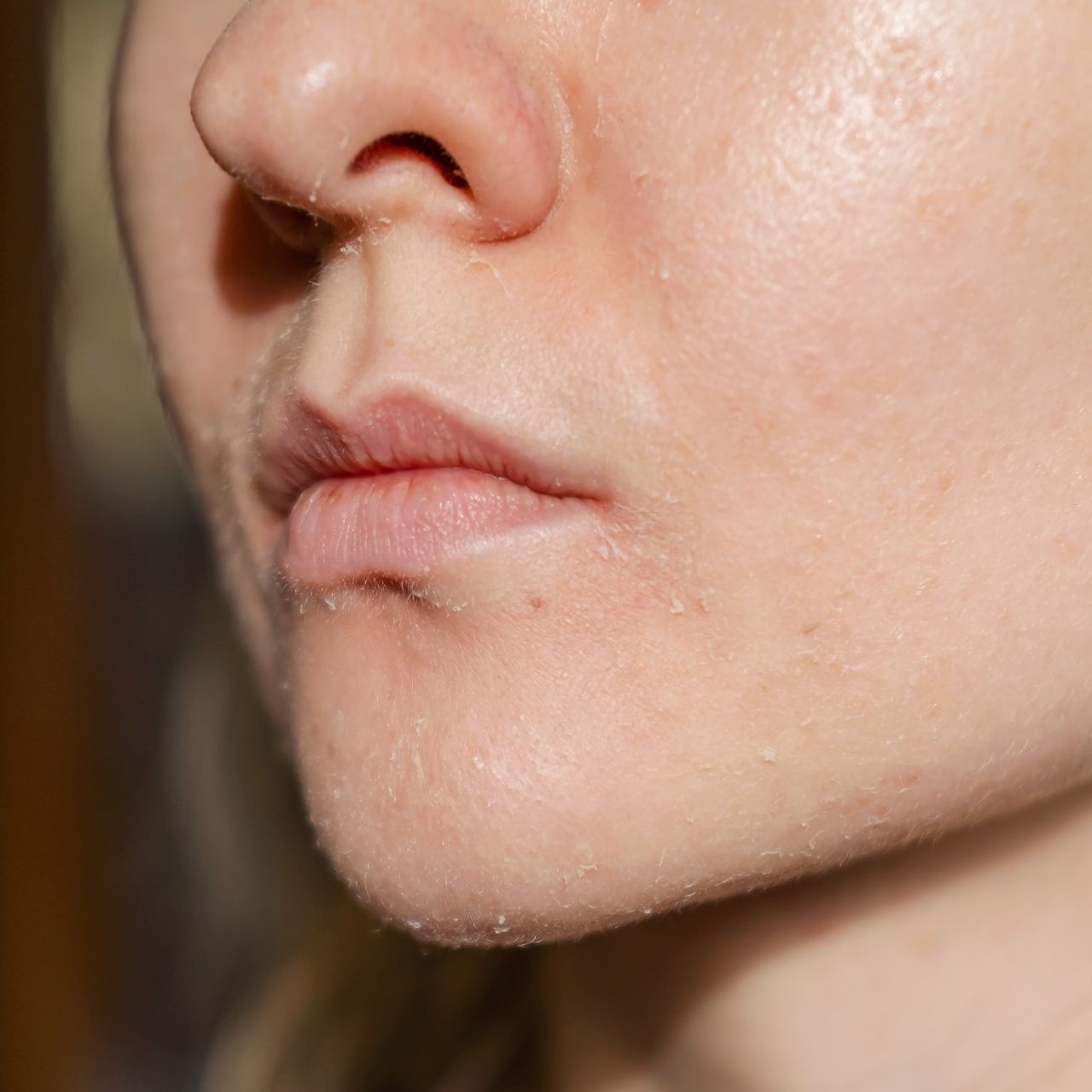





Sun spots and uneven pigmentation are some of the most common skin concerns that appear with age—especially after years of sun exposure. While they may seem like they appear overnight, dermatologists say they’re actually the result of long-term UV damage that gradually surfaces over time.
According to dermatologist Dr. Sam Bunting, sun spots are essentially “clues” left behind by years of ultraviolet exposure. The good news? With the right skincare routine and sun protection strategy, it’s possible to significantly reduce their appearance and prevent new ones from forming.
Here’s what experts recommend if you’re over 50 and hoping to smooth and brighten your complexion.

Women Are Swapping Their Boring Water For This Ice Pop Electrolyte Mix!

1. Make Sunscreen Non-Negotiable
The first—and most important—step in tackling sun spots is preventing further damage.
Sun spots are caused by excessive UV exposure, so protecting your skin daily is essential to stop them from getting darker or multiplying. Dermatologists recommend using a high-SPF sunscreen with strong UVA protection every day, even when it’s cloudy.
Finding a sunscreen you actually enjoy using can make a big difference in consistency. Texture matters, because applying the correct amount—and reapplying throughout the day—is key for proper protection.
Even with the best intentions, sunscreen application can sometimes be imperfect, which is why dermatologists often recommend pairing SPF with other protective skincare ingredients.

2. Add Antioxidant Serums to Your Morning Routine
To strengthen your skin’s defense against environmental damage, antioxidants are a powerful addition to your daily routine.
These ingredients help protect against UV damage and pollution, both of which can contribute to the development of sun spots. Pollution, in particular, can worsen pigmentation for people living in cities.
Two standout antioxidant ingredients include:
- Vitamin C, which helps brighten skin and reduce dark spots
- Ectoin, known for protecting the skin against environmental stressors
Vitamin C offers an additional benefit: it helps suppress the enzyme tyrosinase, which plays a major role in producing melanin—the pigment responsible for dark spots.

3. Use Targeted Brightening Ingredients
Once you’ve protected your skin, the next step is treating the pigmentation that’s already there.
Several ingredients are known for their ability to reduce sun spots and hyperpigmentation by limiting excess melanin production. These include:
- Azelaic acid
- Kojic acid
- Hydroquinone
When used consistently, these ingredients can gradually lighten existing dark spots and improve overall skin tone.

4. Combine Them With Vitamins A, B, and C
For even better results, dermatologists often recommend combining brightening treatments with other skin-renewing ingredients. A powerful routine may include:
- Vitamin A (retinoids) to boost cell turnover
- Vitamin B (niacinamide) to improve skin tone and reduce discoloration
- Vitamin C to brighten and protect the skin
Together, these ingredients can help create brighter, firmer-looking skin while gradually reducing pigmentation.

5. Consider In-Office Treatments for Faster Results
If you’re preparing for a special event or want quicker improvements, dermatologists say professional treatments can accelerate results.
Options such as laser or light-based therapies can target pigmentation more aggressively than topical products alone. However, these treatments can involve higher costs, potential discomfort, and some recovery time.
For many people, starting with topical skincare and sun protection is a gentler and more gradual approach.
The bottom line
Even if you successfully fade existing sun spots, preventing future damage is critical. If you spend a lot of time outdoors—whether playing tennis, running, or simply walking the dog—it’s important to be mindful of UV exposure. Dermatologists suggest:
- Avoiding peak midday sun when possible
- Wearing protective clothing or hats
- Reapplying sunscreen regularly
The goal isn’t to avoid the outdoors altogether, but to enjoy it while protecting your skin. With consistent sun protection, targeted skincare ingredients, and patience, reducing sun spots and achieving a smoother, more even complexion—even after 50—is absolutely possible.