



If you have dandruff or a constantly itchy scalp, dermatologists say the cause might be more than just dry skin. In some cases, the irritation could be linked to a common skin condition called Seborrheic Dermatitis—and knowing the difference can help you treat it more effectively.
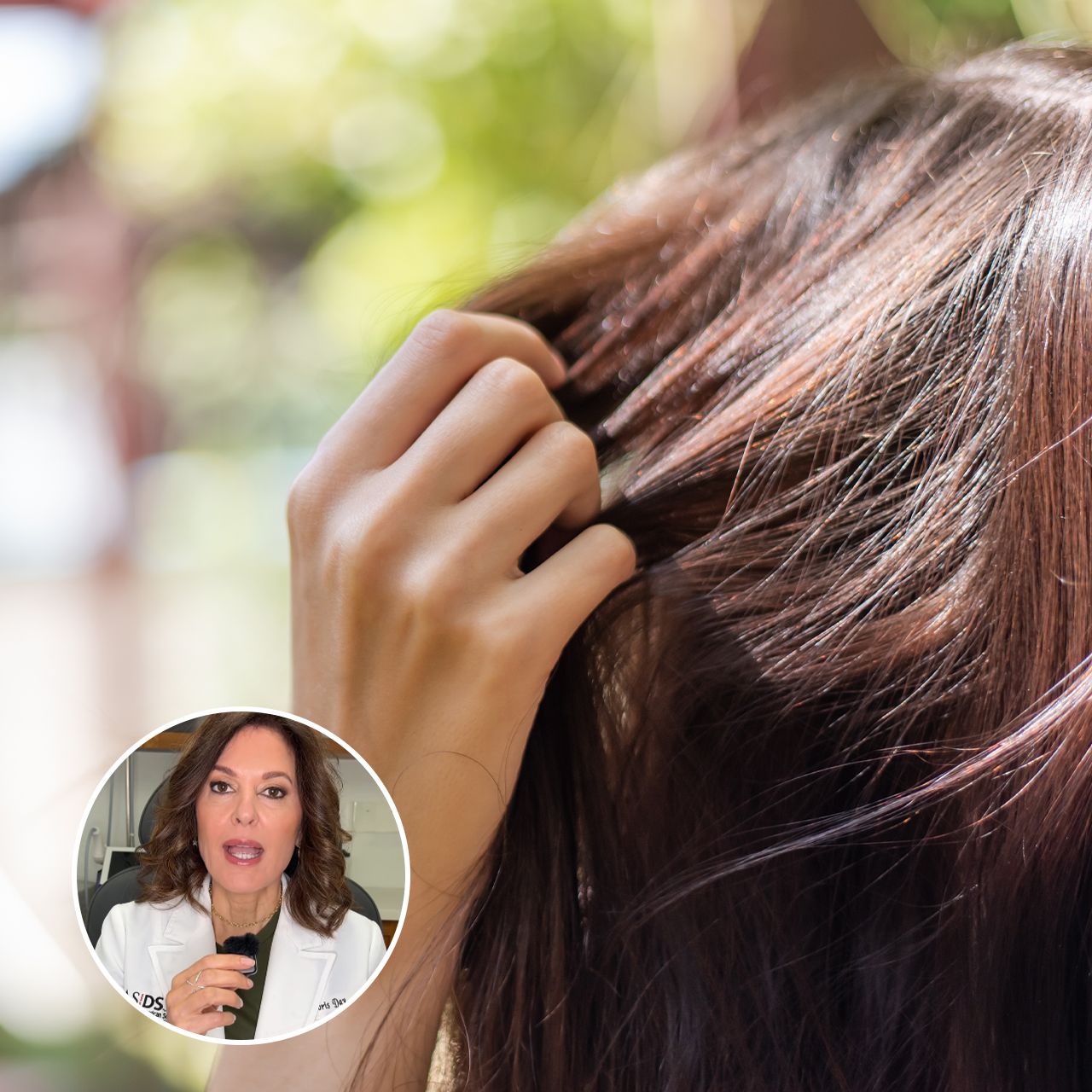
According to dermatologist Dr. Joel Schlessinger, itchy scalps can stem from several different issues. The most common is simple dandruff, which usually happens when the scalp becomes slightly dry and begins to flake.
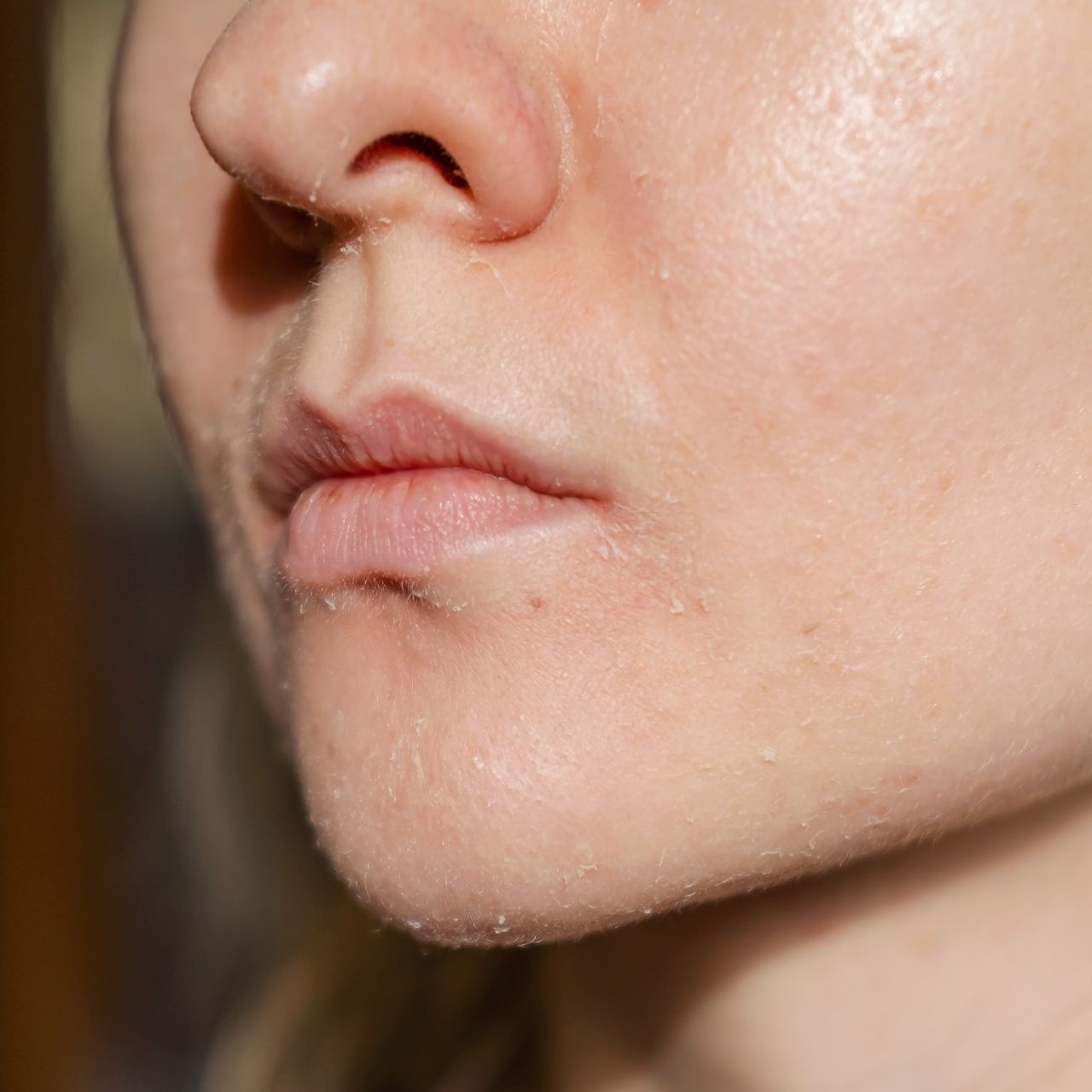
But sometimes, the flakes and itchiness are caused by seborrheic dermatitis, a form of dandruff driven by an overgrowth of yeast that naturally lives on the skin. This condition can cause redness, irritation, and persistent flakes that don’t easily go away with basic hair care.
“An itchy scalp can be caused by a variety of things,” Dr. Schlesinger explains. “It could be simple dandruff, which is just dryness on the scalp. But it can also be seborrheic dermatitis, which is a type of dandruff driven by yeast.”

Women Are Swapping Their Boring Water For This Ice Pop Electrolyte Mix!

Signs You Might Have Seborrheic Dermatitis
While regular dandruff tends to be mild, seborrheic dermatitis may include:
- Persistent itching
- Greasy or yellowish flakes
- Red or inflamed skin on the scalp
- Flaking that spreads to eyebrows, ears, or hairline
Because yeast plays a role, the condition often requires targeted treatments rather than just moisturizing shampoos.
Treatments That May Help
Dermatologists often recommend anti-dandruff shampoos that contain ingredients designed to control yeast and reduce inflammation. Some over-the-counter options include:
- Head & Shoulders Classic Clean Dandruff Shampoo, which contains zinc to help control yeast
- Tarsum Relief Shampoo, often used for stubborn scalp conditions
In more persistent cases, dermatologists may prescribe medicated shampoos or topical treatments that specifically target the underlying cause.

Don’t Overlook Allergic Reactions
Not all itchy scalps are caused by dandruff or seborrheic dermatitis. Sometimes the culprit is an allergic reaction to hair products, including shampoos, fragrances, or dyes. If irritation appears after switching products, dermatologists may recommend gentler formulas such as Vanicream Free & Clear Shampoo, which avoids fragrances, dyes, and common irritants.
When to See a Dermatologist
If flakes, redness, or itching don’t improve after a few weeks of treatment, it may be time to consult a dermatologist. Persistent scalp irritation could signal seborrheic dermatitis—or another skin condition that requires professional care. The good news: with the right diagnosis and treatment plan, most people can manage symptoms and keep their scalp healthy.