




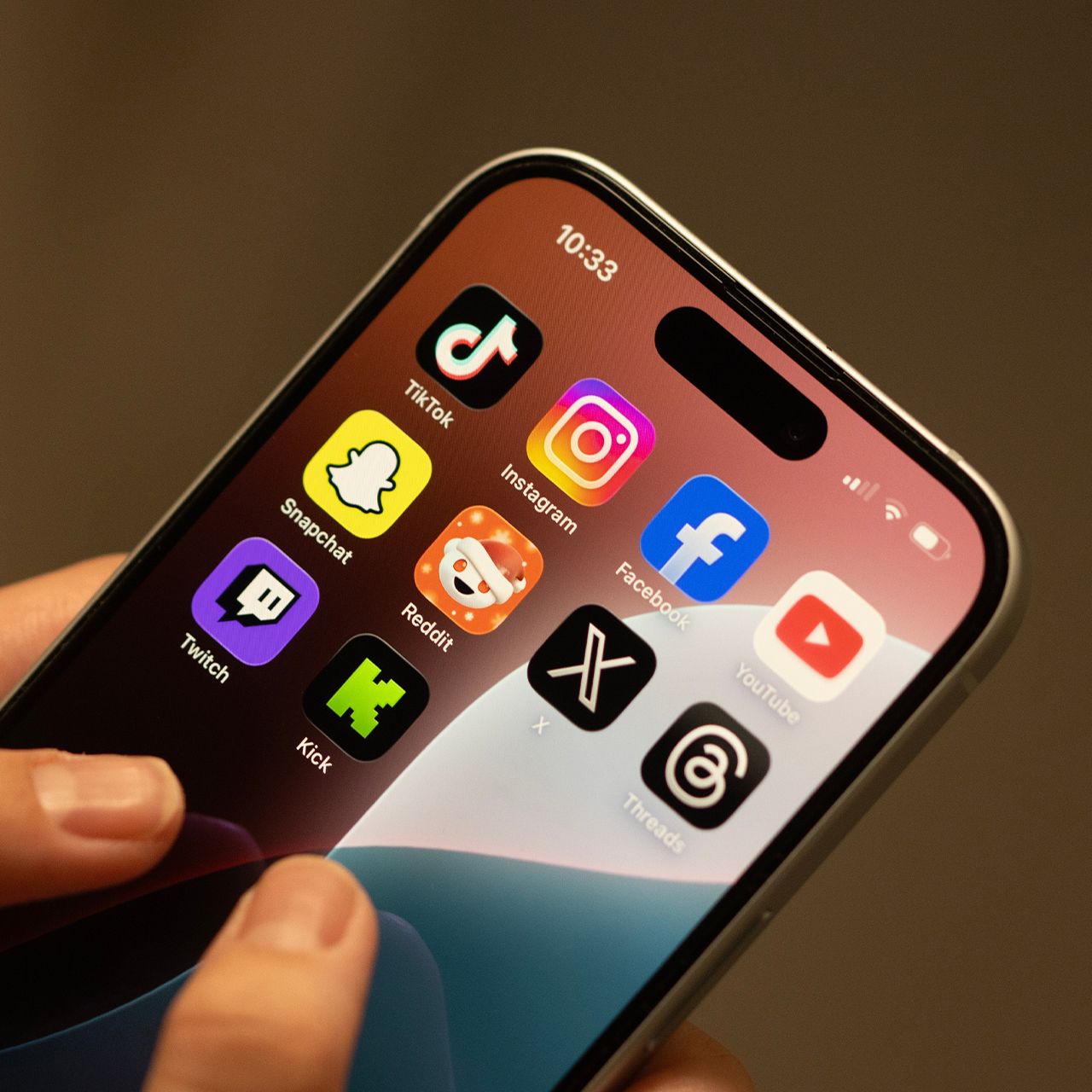
These days, one of the most important things you can do for yourself as a smartphone user is to protect your data and location from those who don’t need it.
There are a lot of apps people are downloading without a second thought these days, but more crucially, giving them certain permissions without a second thought. Your location data can reveal more about you than you might realize, from the places you visit regularly to your daily routines. While many people take steps to protect their passwords and personal information, they may not realize that certain apps can also collect location data and potentially make it easier to track where they are. Being mindful of the apps you download and the permissions you give them can help keep your location and other personal information more private. Read more about two apps that you might not realize could track you below.

Women Are Swapping Their Boring Water For This Ice Pop Electrolyte Mix!
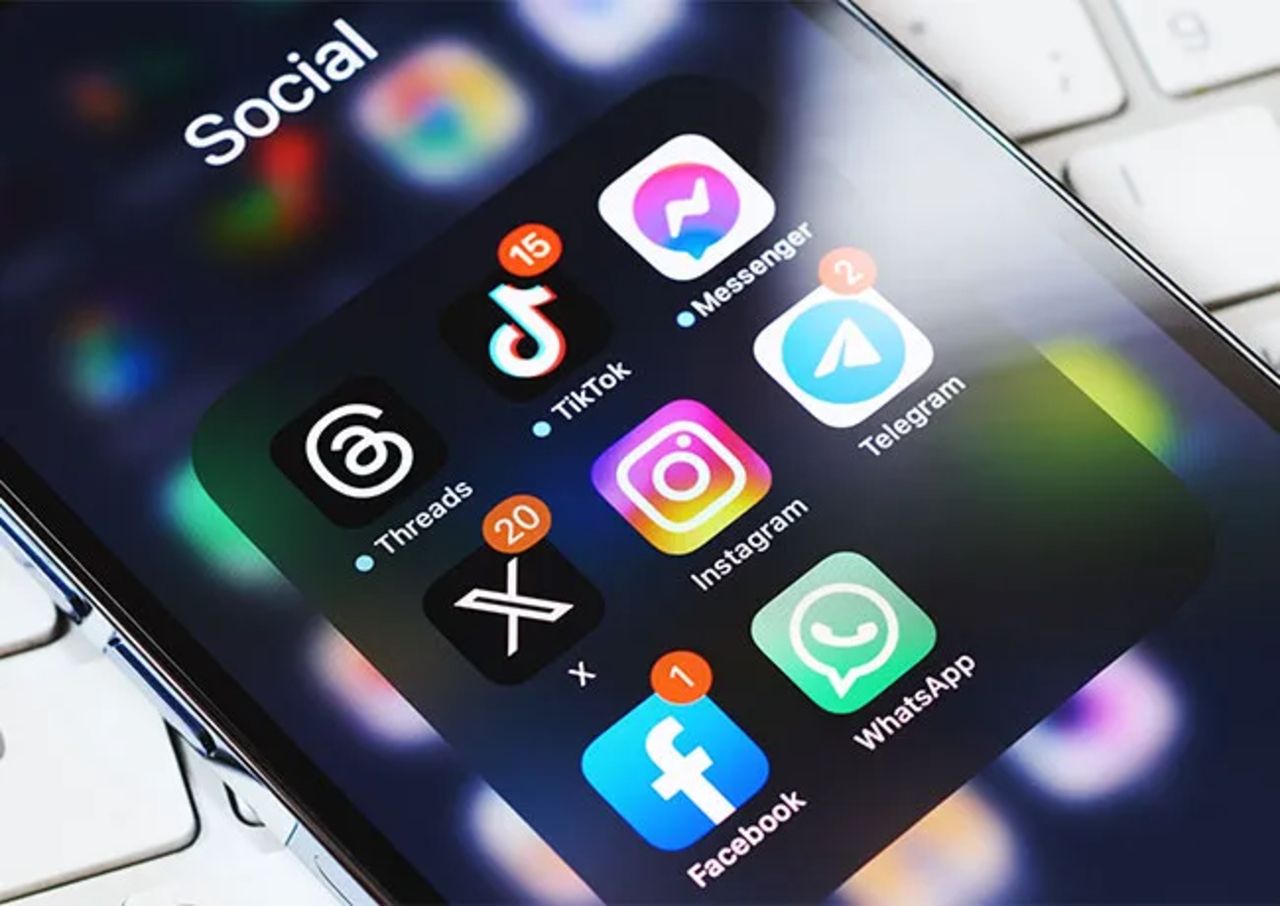
1. Meta Apps (Facebook, Instagram, Etc.)
Apps owned by Meta, including Facebook and Instagram, can collect information about your location depending on the permissions you have enabled. Location-related data can be used to personalize features and content, but cybersecurity experts recommend checking which Meta apps have access to your location and whether they actually need it.
"Users come here to connect with others and be entertained," says cybersecurity pro and author Patrick Coughlin. "They didn't come here to line the pockets of fraudsters. Meta's apps collect somewhere north of 150 distinct data points per user and stitch them together across the entire family of products, creating a boon for legitimate and fraudulent advertisers alike. Meta's platforms have become the single largest reported source of consumer fraud in the United States."
2. Period Tracker Apps
Period tracker apps can contain some of your most personal information, including details about your cycle, symptoms, and sometimes your location. While these apps can be helpful for keeping track of your period, users may not realize how much data they are sharing or how that information could potentially be used. It's worth checking an app's privacy settings and permissions to make sure you're only sharing information you're comfortable with.
"Flo got hit with an FTC case a few years back for telling users their data was private, then quietly sending sensitive stuff, like when someone's on their period or trying to get pregnant, over to Facebook and Google anyway," adds cybersecurity expert Andrew Johnstone. "There's since been class action settlements running into tens of millions of dollars over it. People assume a health app keeps health data private by default. That's not actually true unless the app can prove it."