





Supplements can seem like an easy way to fill nutritional gaps, but more isn’t always better. While certain vitamins and minerals are essential for good health, taking high doses or using supplements without a documented need can sometimes cause unwanted side effects or interact with medications. In fact, the NIH notes that many vitamins and minerals have established upper intake limits because excessive amounts can pose health risks.
That doesn’t mean these supplements are inherently dangerous or that everyone should avoid them. Rather, the risks can depend on the dose, how long you take them, your health conditions, and other medications or supplements you use. Here are five popular supplements to “think twice” about and are worth discussing with your doctor before adding them to your routine.

Women Are Swapping Their Boring Water For This Ice Pop Electrolyte Mix!

1. Excessive Vitamin B6 Could Lead to Nerve Damage
Dietitian Krutika Nanavati cautions that overconsumption may cause damage to the nervous system. “Excessive intake of vitamin B6 can result in nerve damage, leading to symptoms such as numbness and problems with balance. It is important to be mindful of the potential consequences of prolonged overconsumption,” she explains.
Unlike water-soluble vitamins that are usually flushed out easily, high levels of vitamin B6 can build up in the body when supplements are taken in large amounts over time. This can cause neuropathy, a condition that affects the nerves and may lead to tingling, burning sensations, or difficulty walking. In some cases, the damage may become permanent if not addressed early.
The good news? Vitamin B6 deficiency is rare, and most people can meet their daily needs through a balanced diet. Foods like bananas, chickpeas, salmon, fortified cereals, and poultry naturally contain healthy amounts of this nutrient. Supplements should only be taken if recommended by a healthcare provider, especially since the recommended upper intake limit for adults is about 100 mg per day—far above what a typical diet provides.
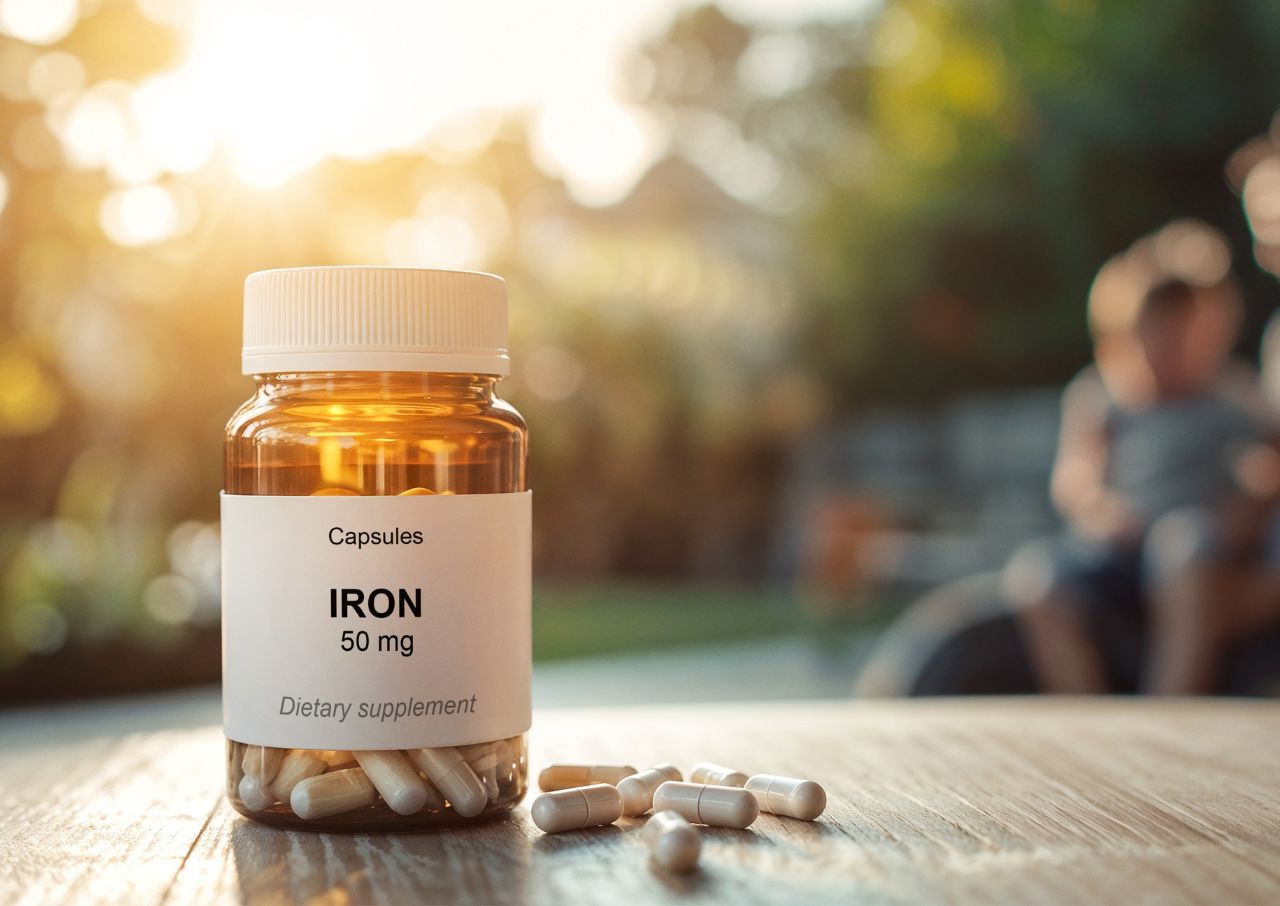
2. Iron Supplements Can Irritate Your Stomach
Iron supplements, especially when taken in high doses, are known to irritate the lining of the stomach and intestines. High doses of this supplement can also create oxidative stress, which is linked to increased inflammation.
Dr. Michael Lahey, physician from My Weight Loss Partner, says, “Even though iron supplements are essential to people with anemia that results from iron deficiency, taking more than recommended or for a very long time may also affect the stomach, causing side effects such as constipation, nausea, and stomach ulcers. Over-intake of this metal can upset the GI tracts, thus causing friction, or in some extremes, it can lead to ulcers.”

3. Calcium Supplements Can Harm Your Gut
Calcium supplements can cause gastrointestinal side effects such as bloating, constipation, gas, and stomach cramps. This is particularly true for calcium carbonate, which requires stomach acid to dissolve properly and is often associated with higher rates of digestive discomfort. While high doses of any calcium supplement can potentially cause constipation and bloating, alternative forms like calcium citrate are generally better tolerated and do not require stomach acid for absorption.
Prolonged, excessive use of high-dose calcium supplements can lead to hypercalcemia (abnormally high levels of calcium in the blood), which increases the risk of kidney stones and can impair kidney function. To minimize these risks, it is generally recommended to obtain calcium through dietary sources such as dairy products, fortified foods, and green leafy vegetables. If supplementation is necessary, it should be tailored to appropriate doses—typically taken in split amounts of 500 mg or less at a time to maximize absorption. Additionally, taking calcium in conjunction with magnesium can help counteract calcium's constipating effects on the gut.

4. High-Dose Zinc Can Cause Copper Deficiency
Zinc is an essential mineral, but taking too much over an extended period can cause problems. According to the NIH, excessive zinc intake can lead to nausea, vomiting, headaches and stomach upset. More importantly, long-term high doses can interfere with the body’s absorption of copper, potentially resulting in copper deficiency.
For adults, the tolerable upper intake level for zinc is 40 mg per day from food, supplements and other sources. The NIH notes that doses of 50 mg or more over several weeks can inhibit copper absorption and may also affect immune function and HDL cholesterol levels.
Because zinc supplements can also interact with certain medications, including some antibiotics, it’s worth checking with a doctor or pharmacist before taking high-dose zinc regularly.

5. High-Dose Vitamin E May Increase Bleeding Risk
Vitamin E is another nutrient where taking more isn't necessarily better. While vitamin E found naturally in foods is not considered harmful, high-dose vitamin E supplements may increase the risk of bleeding. The NIH notes that this is particularly important for people taking anticoagulant or antiplatelet medications, such as warfarin.
The adult upper limit for supplemental vitamin E is 1,000 mg per day, but the NIH notes that some research has raised safety concerns about doses below that limit as well.
That’s why it’s important not to assume that a supplement is automatically safe simply because it’s a vitamin. Before taking high-dose vitamin E—or combining it with other supplements or medications—talk with your healthcare provider about whether you actually need it.