



A new drinking trend is encouraging people to rethink the way they consume alcohol without necessarily giving it up altogether.
Known as “zebra striping,” the strategy involves alternating alcoholic drinks with non-alcoholic beverages throughout a night out. For example, someone might have a glass of wine, switch to sparkling water or a zero-proof cocktail, and then have another alcoholic drink later. The name comes from the alternating pattern of alcoholic and non-alcoholic drinks.
The approach has gained attention as more people look for ways to moderate their drinking while still participating in social occasions where alcohol is commonly served. The practice itself isn’t new, but the catchy name has helped bring renewed attention to it.

Women Are Swapping Their Boring Water For This Ice Pop Electrolyte Mix!

How Does Zebra Striping Work?
The concept is fairly straightforward: instead of ordering alcoholic beverages one after another, you alternate each alcoholic drink with something that doesn't contain alcohol.
For example, a night could look like:
- Alcoholic cocktail
- Sparkling water
- Glass of wine
- Non-alcoholic beer
- Another alcoholic drink
The idea is to create more time between alcoholic beverages, which can help reduce the total amount consumed over the course of an evening.
Some people choose water or soda, while others opt for increasingly popular alcohol-free beers, wines and cocktails.
Can It Actually Help You Drink Less?
Potentially, yes—but the key is actually reducing your total alcohol intake. Researchers writing for RTÉ Brainstorm explained that alternating alcoholic and non-alcoholic beverages can slow the pace of drinking and may reduce both the number of drinks consumed and peak blood alcohol levels.
They emphasize, however, that zebra striping is not a hangover cure. Drinking more slowly can also give someone more time to recognize how much alcohol they've already consumed rather than automatically moving on to another drink.
The strategy is therefore best viewed as a moderation or harm-reduction technique, rather than a way to make drinking alcohol harmless.
What Are the Potential Benefits?
There are several reasons someone might try zebra striping.
It can reduce alcohol consumption. Replacing some alcoholic drinks with non-alcoholic alternatives naturally lowers the amount of alcohol consumed during a night out.
It can help pace your drinking. Alternating beverages creates a built-in pause between alcoholic drinks.
It can make socializing easier for people cutting back. Rather than completely avoiding bars, restaurants or parties, people can continue participating while choosing what they drink more deliberately.
It may save money. Depending on what you're ordering, replacing some alcoholic beverages with water or other less expensive options can reduce the cost of a night out.
Why Is Zebra Striping Becoming Popular?
The trend fits into a broader shift toward mindful or moderated drinking, particularly among younger adults.
Researchers at the University of New South Wales note that younger generations are increasingly drinking less frequently and are showing greater interest in moderation strategies rather than viewing alcohol consumption as an all-or-nothing choice.
The growing availability of sophisticated non-alcoholic options has also made the strategy easier.
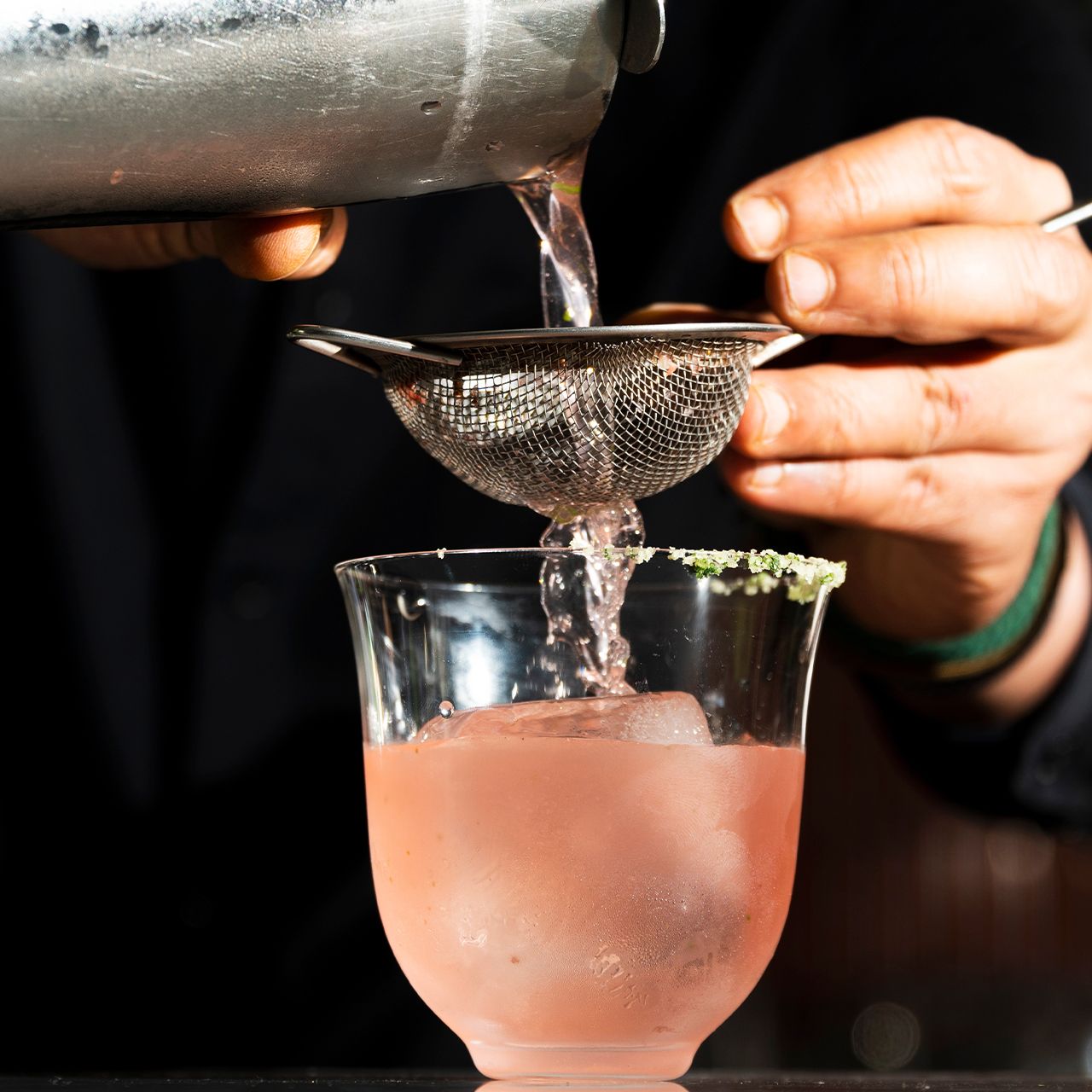
Many bars and restaurants now offer zero-proof cocktails, alcohol-free beers and other alternatives alongside traditional drinks. In other words, choosing a non-alcoholic drink doesn't necessarily mean sitting out while everyone else has a cocktail.
Is Zebra Striping Right for Everyone?
Not necessarily. While alternating drinks can be a useful strategy for someone who wants to reduce their alcohol intake, it doesn't eliminate the health risks associated with alcohol. And if someone is concerned about their drinking or finds it difficult to cut back, simply alternating beverages may not be enough.
Speaking with a healthcare professional or an alcohol-support service can provide more personalized guidance.
Ultimately, zebra striping isn't about making alcohol “healthy.”It's about creating more intentional pauses between alcoholic drinks and potentially consuming less overall.