



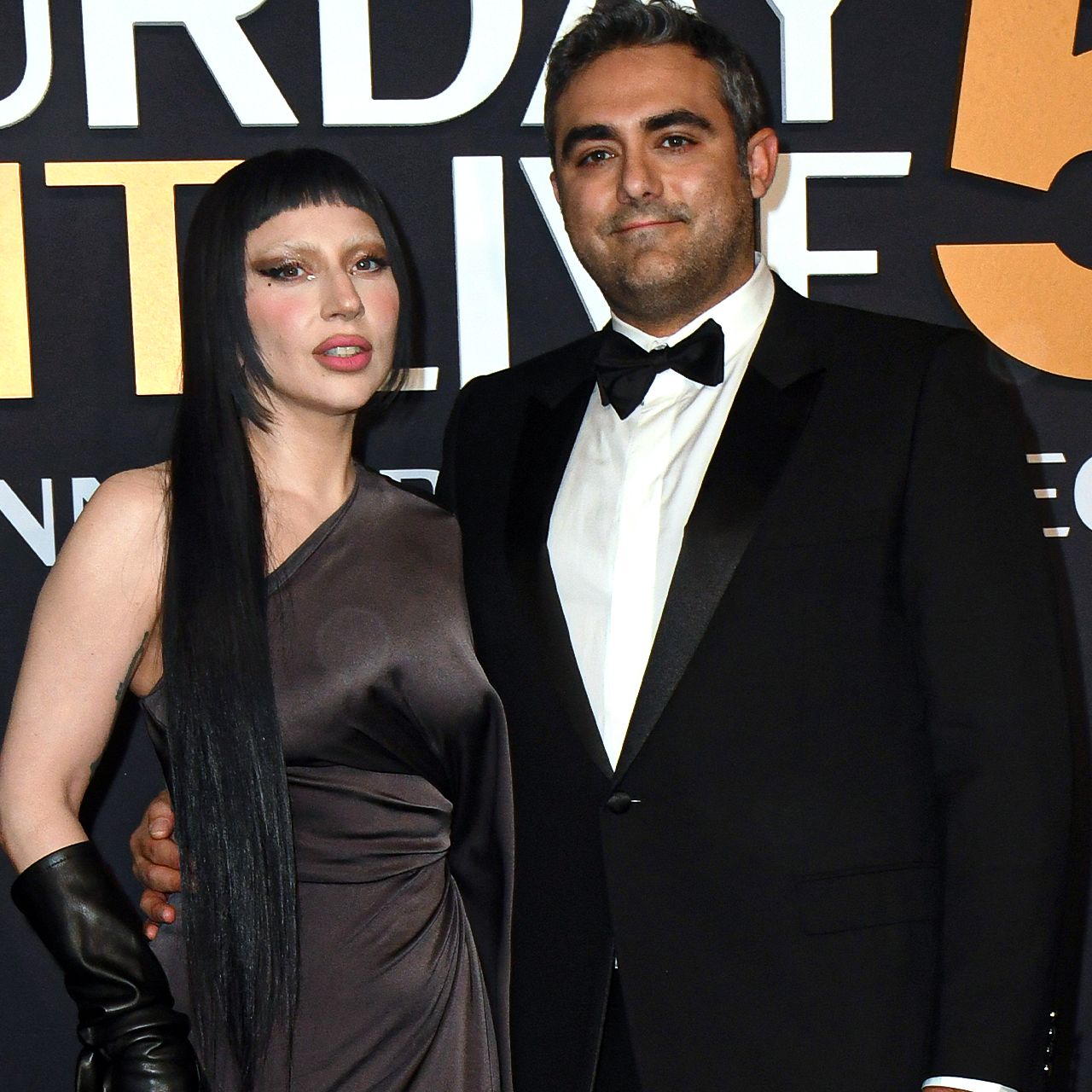
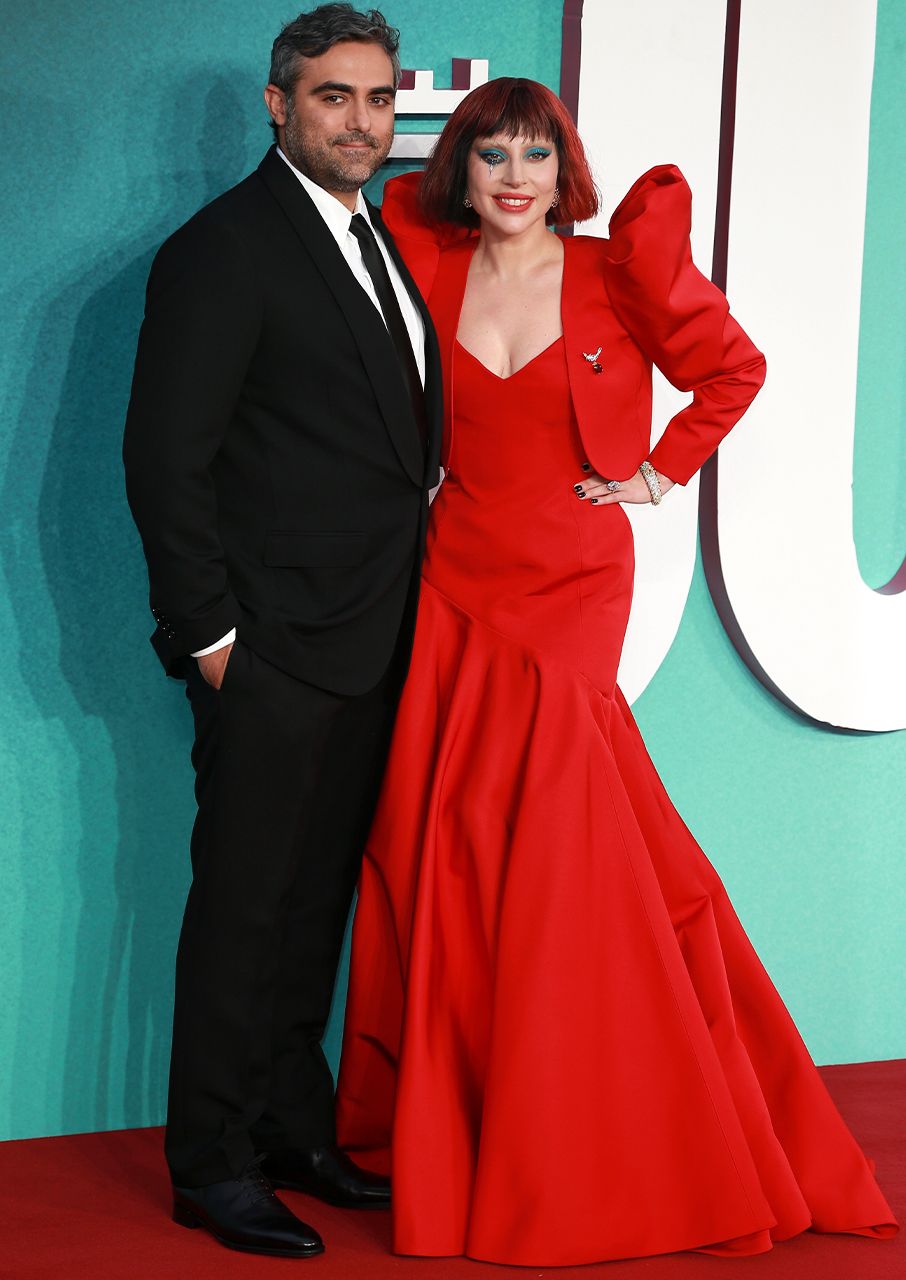
Lady Gaga’s fiancé, Michael Polansky, is making waves in the beauty and biotechnology world with an unusual approach to developing new skincare and pharmaceutical products: using human skin tissue that would otherwise be discarded after plastic surgery.
While the concept may initially sound unsettling, the technology behind it is attracting attention online, with some people arguing that using donated human tissue could offer an alternative to animal testing.
Polansky is the co-founder and CEO of Outer Biosciences, also known as Outer Bio, a biotechnology company developing a platform that uses living human skin tissue to test potential skincare and pharmaceutical compounds.

Women Are Swapping Their Boring Water For This Ice Pop Electrolyte Mix!
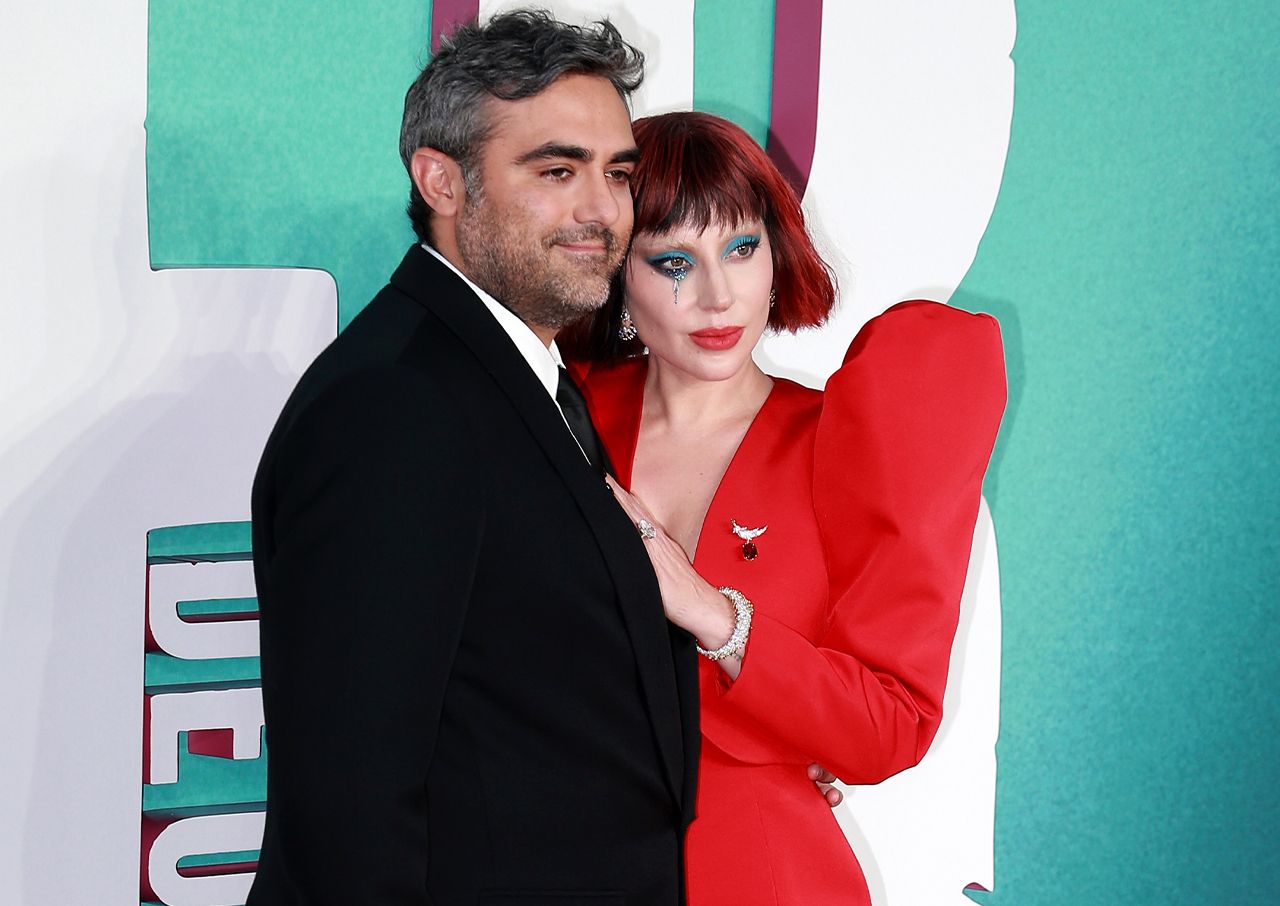
Lady Gaga's Fiancé Discusses Biotech Startup That Uses Discarded Human Skin
The company sources de-identified, full-thickness human skin from surgical procedures that would otherwise result in the tissue being discarded. According to reports, Outer Bio’s technology is designed to keep the tissue biologically active outside the body for up to a month, allowing researchers to study how potential treatments interact with actual human tissue.
Lady Gaga, whose real name is Stefani Germanotta, also co-founded the company and serves on its board of directors. Outer Bio has reportedly raised around $23M from Silicon Valley investors and isn't focused on creating products for consumers itself.
Instead, the company plans to license its research, data and discoveries to beauty and pharmaceutical companies. In an interview with TechCrunch, Polansky opened up about the venture and its unusual approach.
“I think it’s going to be fun,” Polansky said during the interview, “to have people know that this is what we’ve been doing.”
The Internet Reacts
The idea initially raised some eyebrows online, with some people describing the use of human skin as creepy or weird. However, others saw potential benefits in the approach, particularly when compared with traditional animal testing.
“I’d take this over animal testing,” one person wrote on Reddit.
“Honestly, this is genius. No one harmed, it’s technically bio waste anyways,” another commenter said, while raising concerns about donor privacy. Those concerns have reportedly been addressed through the company’s use of de-identified samples.
When asked about privacy, Polansky explained that “every sample arrives already de-identified,” with supplying organizations removing names, contact information and other direct identifiers before the tissue reaches the company.
“This is brilliant! I hope more employ it. There is no reason animal testing should be conducted on animals, especially for cosmetics and hair products,” another person commented in the same thread.
“Yeah, it kind of sounds terrifying, but much preferable to many other alternatives when you think about it,” someone else wrote.
“Seems like a good idea,” another commenter added.