



Disclaimer: This article alone should not be taken as health advice. Always speak to your doctor for the best guidance.
If you’re working to manage high blood sugar, you probably pay close attention to the foods on your plate—but you’re likely not thinking about the supplements in your medicine cabinet. While many vitamins and herbal products are marketed as “natural” ways to support health, some can actually interfere with blood sugar control or reduce the effectiveness of diabetes medications. In general, many supplements come with hidden risks. That’s why experts say it’s important to treat them with caution.
Before adding any new supplement to your routine, it’s worth understanding how it may affect your body—especially if you have diabetes or prediabetes. According to registered dietitian and Certified Diabetes Care and Education Specialist Dawn Menning, some commonly used supplements may do more harm than good when it comes to keeping blood sugar stable. Here are two she recommends approaching with caution, along with safer strategies for supporting healthy blood sugar levels.

Women Are Swapping Their Boring Water For This Ice Pop Electrolyte Mix!
1. High-Dose Niacin (Vitamin B3)
Niacin is known for its ability to improve cholesterol levels, but it could be risky if you have high blood sugar.
"Niacin (vitamin B3) is often used for cholesterol management but, in high doses, may increase insulin resistance. Niacin can increase the release of glucose from the liver," explains Menning.
High-dose niacin therapy has been shown to worsen insulin sensitivity and raise fasting blood glucose in some individuals, particularly those with diabetes or metabolic syndrome. According to the NIH Office of Dietary Supplements, "Large doses of nicotinic acid can raise blood glucose levels by causing or aggravating insulin resistance and increasing hepatic production of glucose."
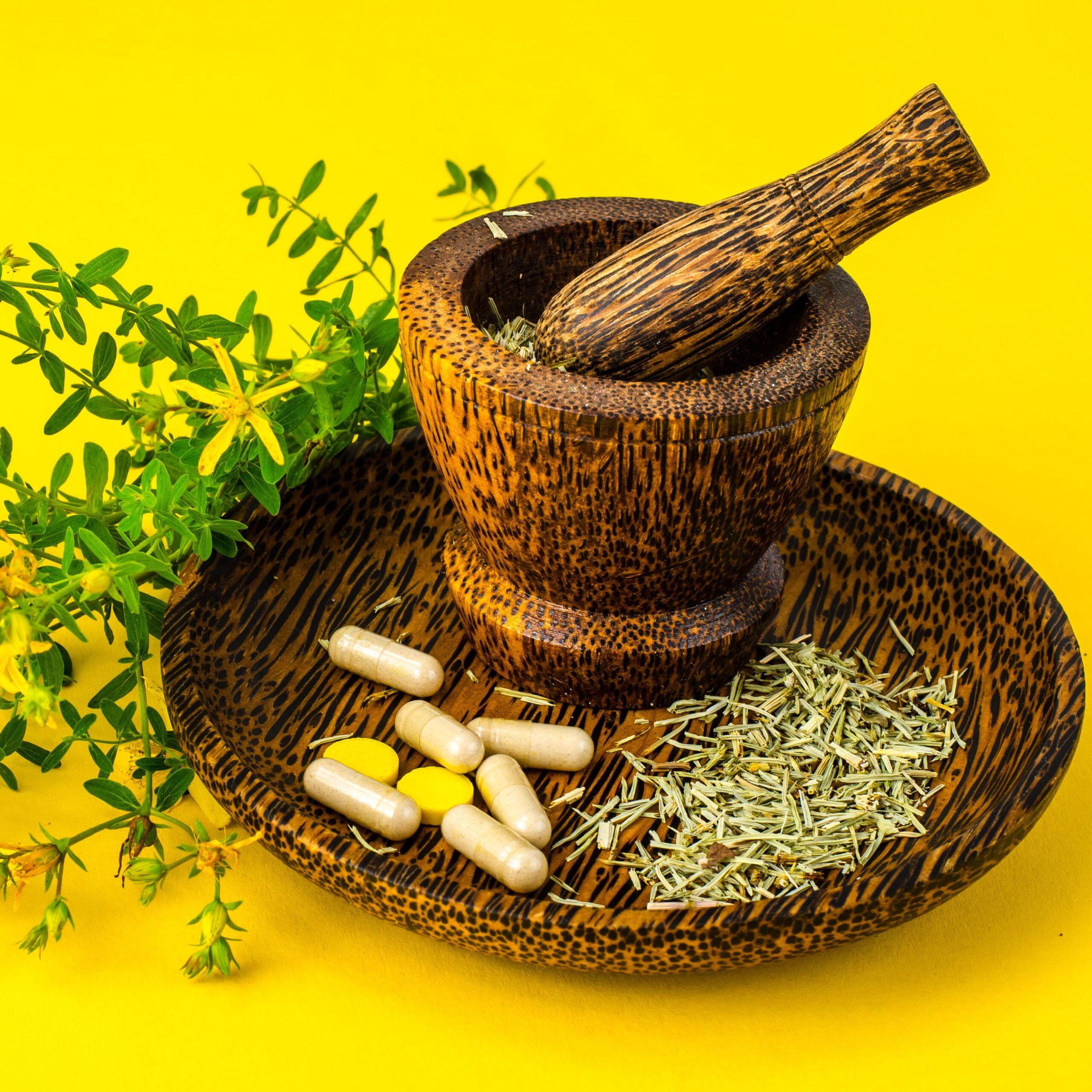
2. St. John's Wort
St. John's wort is a popular herbal supplement often taken for mild depression, but it can create problems for people managing diabetes.
According to Menning, "St. John's Wort can interact with diabetes medications and reduce their effectiveness, potentially leading to higher blood sugar levels."
The concern isn't that the herb directly raises glucose, but rather that it affects how the body processes many medications. St. John's wort is a powerful inducer of liver enzymes—particularly CYP3A4—and the drug transporter P-glycoprotein. This means it can lower the concentration of certain prescription medications in the bloodstream, making them less effective.
The National Center for Complementary and Integrative Health (NCCIH) warns that St. John's wort can decrease the effects of drugs and should not be combined without medical supervision. Because diabetes medications vary widely in how they're metabolized, anyone taking medication to control blood sugar should speak with their healthcare provider before using this herbal supplement.

What To Do Instead
Rather than relying on supplements to manage blood sugar, Menning recommends focusing on proven lifestyle habits and working closely with your healthcare team.
"Supplements are not a replacement for medication and may have the potential to interact with medications," she says. "Speak with your healthcare provider before starting any new supplement if you're taking a prescription medication, especially for diabetes. Diet, exercise, and sleep are important lifestyle tools to help manage blood sugar levels."
If you follow these guidelines and work with your doctor, you'll be in good hands!