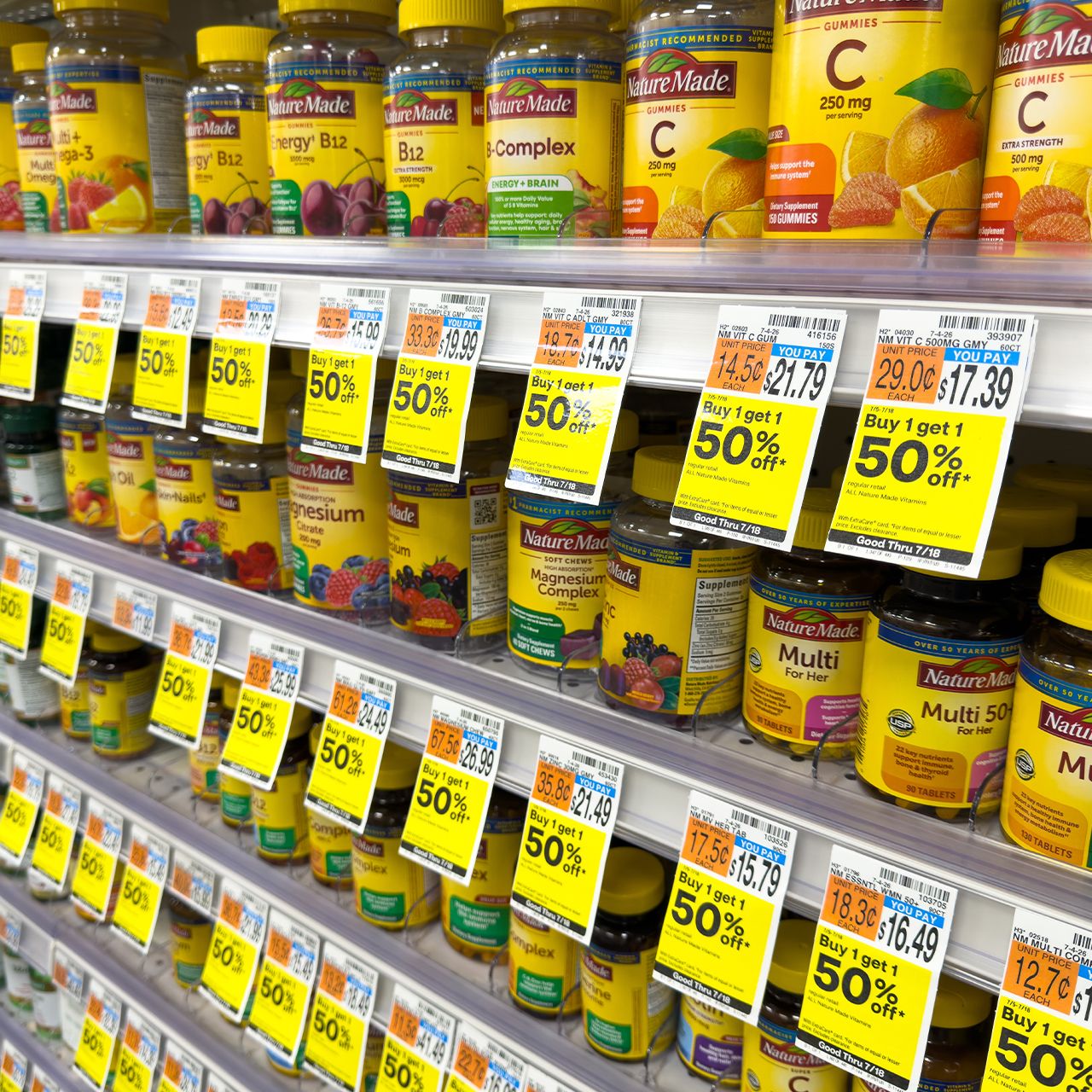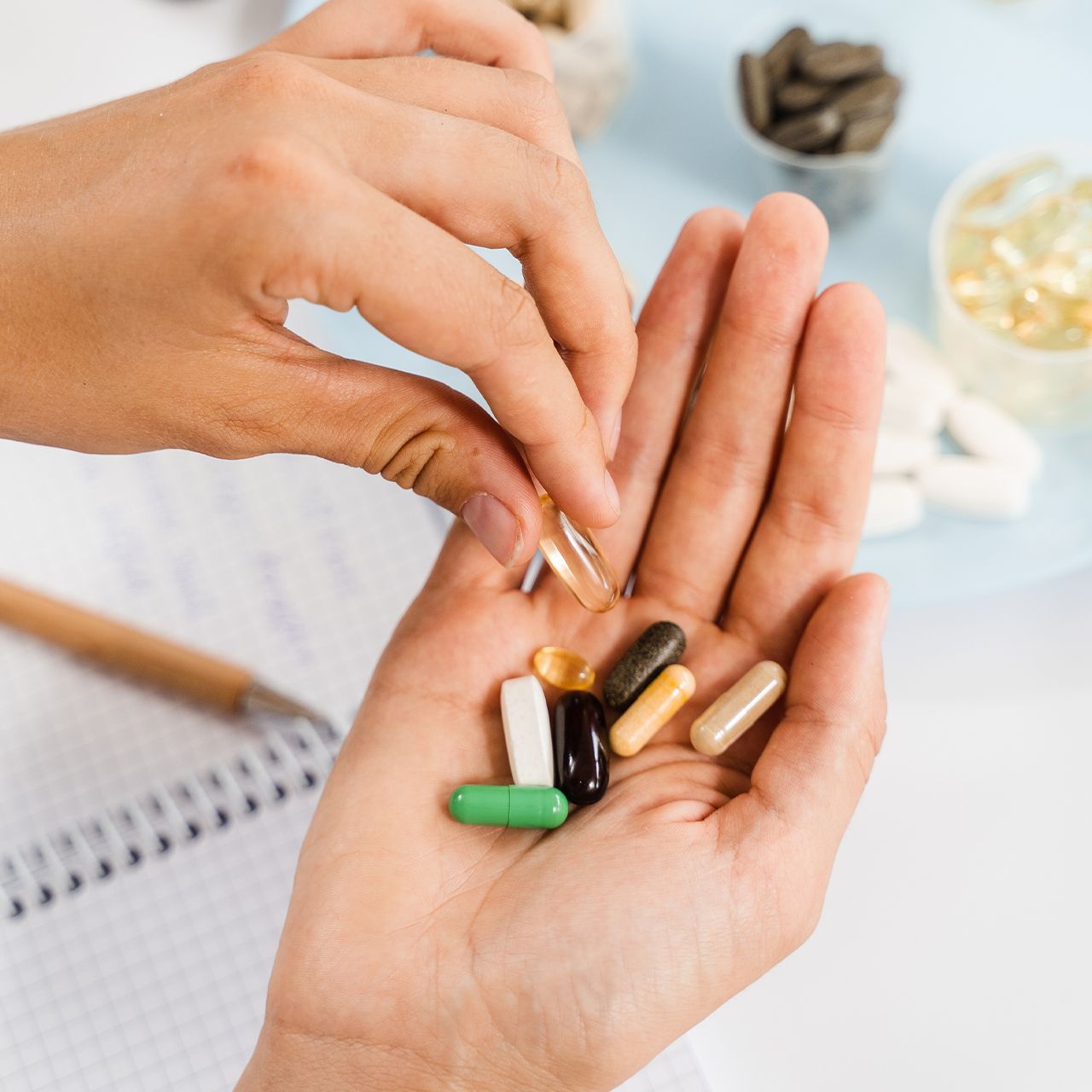




During menopause, you may take an array of supplements in an attempt to ease symptoms, boost energy, or maintain your ideal weight. But the fact of the matter is that, just as with anything else you put in your body, supplements can always come with risks. Additionally, many simply don’t deliver on their promises—and there are a few that experts recommend avoiding during menopause, in particular.
According to hormonal health expert, nutrition and fitness coach, and former bodybuilder Corry Matthews, the best approach during menopause is to prioritize nutrition, strength training, and recovery—not to rely on trendy “miracle” supplements. Below, she highlights the two supplements she recommends steering clear of as you navigate menopause and two you might consider taking in their place.

Women Are Swapping Their Boring Water For This Ice Pop Electrolyte Mix!
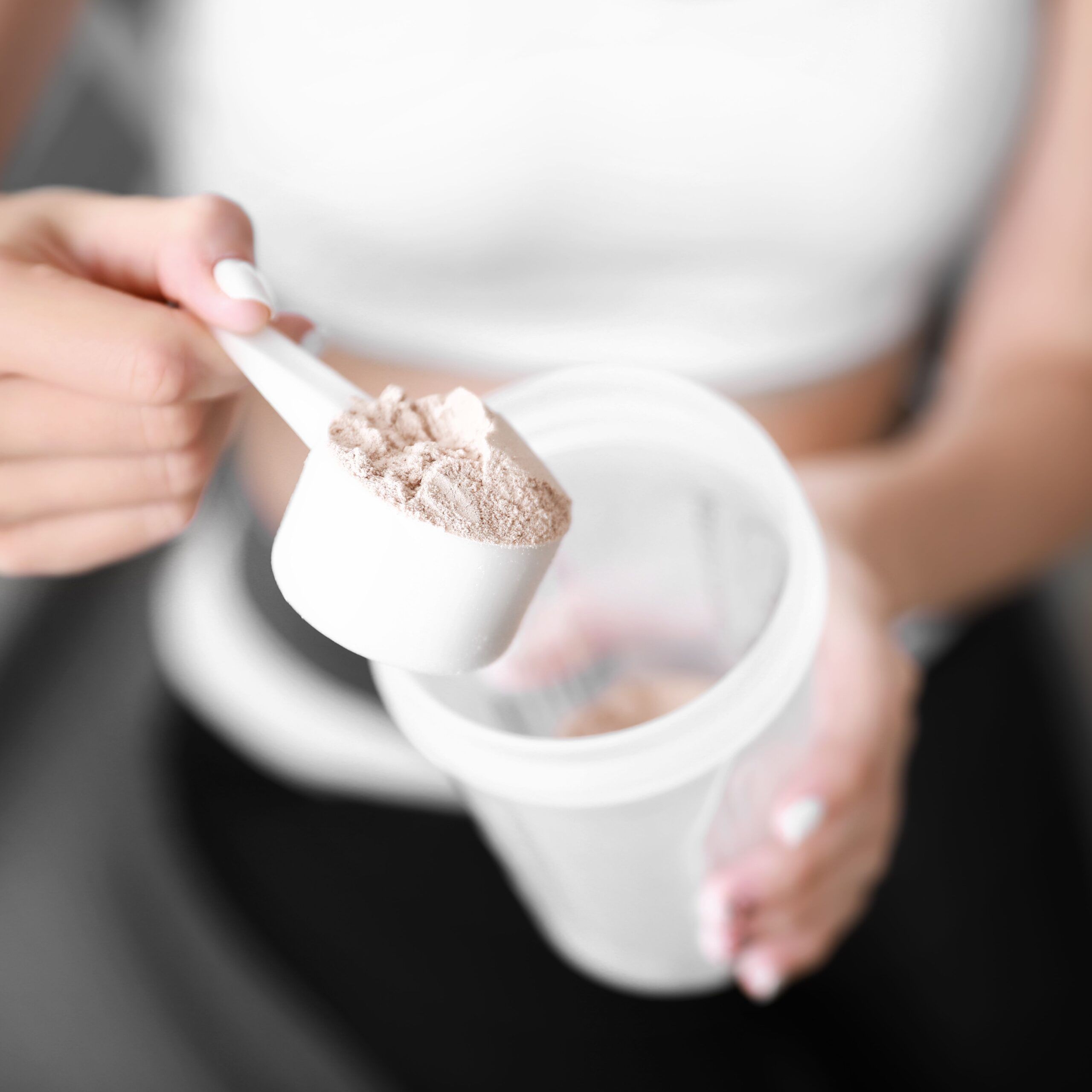
1. Meal Replacement Protein Shakes
Protein is essential during menopause, especially for preserving lean muscle mass as estrogen levels decline. However, Matthews says women should think twice before reaching for meal replacement shakes loaded with carbohydrates, sugars, and extra ingredients.
"I flat out say no to meal replacement shakes for most of my clients," she says.
Instead, she recommends using a simple protein powder designed simply to help you reach your daily protein goals.
"I absolutely recommend protein shakes," Matthews explains. "Getting enough protein becomes increasingly important as we age, especially when we're trying to maintain and build lean muscle. But I want the shake to do one primary job: help you get your protein."
When choosing a protein powder, Matthews suggests looking for one with "fewer than 5 grams of carbohydrates and at least 24 grams of protein per serving."
Rather than blending carbohydrates into every shake, she encourages women to enjoy them as whole foods throughout the day.
"Then eat your carbohydrates. Have the fruit. Eat the oatmeal. Enjoy the potato or rice. Pair your protein with real foods that you actually enjoy eating," she says. "Food is satisfying, and satisfaction matters when we're trying to create nutrition habits we can sustain."
"A protein powder can be an incredibly useful tool, especially for women who struggle to consistently hit their protein goals," she goes on. "I just don't think we need to turn every protein shake into an entire meal in a cup."
She adds, "My philosophy is pretty simple: drink your protein when you need the convenience. Eat your carbs because, frankly, most of us would rather chew them."
2. Stimulant-Based Fat Burners
"The other category I tell women to skip is stimulant based fat burners, and frankly, I'm skeptical of just about anything heavily promoted as a 'fat burner,'" Matthews says.
While these products may temporarily increase energy, she explains that they don't address the underlying reasons many women struggle with fatigue or weight changes during menopause.
"During perimenopause and menopause, many women are already navigating changes in sleep, energy, recovery, and how their bodies respond to stress," she explains. "Adding a high stimulant product to the mix isn't necessarily helping the bigger picture."
Instead of fighting low energy with stimulants, Matthews recommends identifying what's causing it in the first place.
"If you're exhausted, I want to know why," she says. "Are you sleeping? Are you eating enough? Are you fueling your workouts? Are you recovering? Are you strength training? Is there something happening medically that needs to be addressed?"
She emphasizes that no supplement can replace healthy lifestyle habits.
"I would much rather see a woman invest her energy in building muscle, eating enough protein, fueling appropriately, sleeping well, and creating sustainable nutrition habits than relying on a supplement promising to 'burn fat,'" Matthews says. "There is no supplement that replaces the basics."
What To Try Instead
Rather than spending money on supplements that promise dramatic results, Matthews recommends focusing on nutrients that support long-term health and are commonly lacking in many adults.
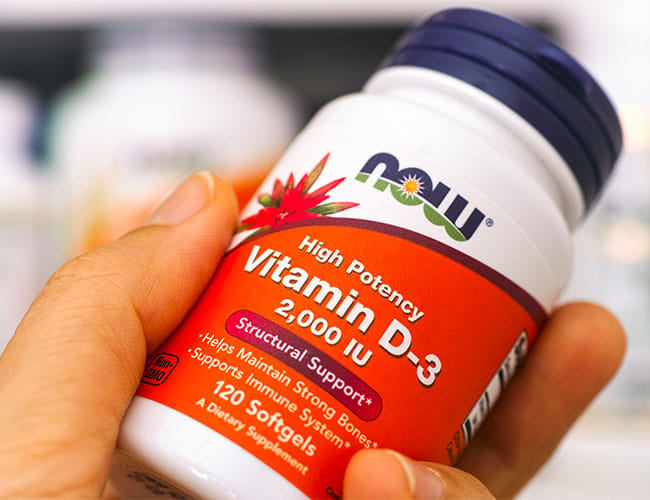
Vitamin D
"Good old vitamin D," Matthews says. "It's not trendy, and it doesn't come with a flashy fat loss promise, but it's an important nutrient for bone health, muscle function, and overall health, particularly as we age."
Because vitamin D needs vary based on sun exposure, diet, and other individual factors, she recommends discussing testing with your healthcare provider.
"This is one I recommend women discuss with their healthcare provider and consider having their levels checked," she says. "If you're deficient or not getting enough naturally, supplementation may make sense based on your individual needs."
Magnesium
Matthews also encourages women to pay attention to magnesium intake, especially if they don't regularly eat foods like leafy greens, beans, nuts, seeds, and whole grains.
"Magnesium supports normal muscle and nerve function, energy production, and bone health, which makes it particularly relevant as we think about staying strong and active through midlife and beyond," she explains.
As with vitamin D, she recommends prioritizing food first and supplementing only if needed.
"Again, I prefer food first whenever possible. But if you're not getting enough through your diet, magnesium is something worth discussing with your healthcare provider."
The Bottom Line
Ultimately, menopause nutrition doesn't have to be complicated or expensive.
"Skip the products making big promises," Matthews suggests. "Don't drink an entire meal when you'd rather eat one. Use a quality protein powder to help hit your protein goals. Eat your carbs. Strength train. Get outside. Pay attention to vitamin D and magnesium. Sleep and recover."
"Then use supplements for what they're actually intended to do: fill the gaps," she concludes.