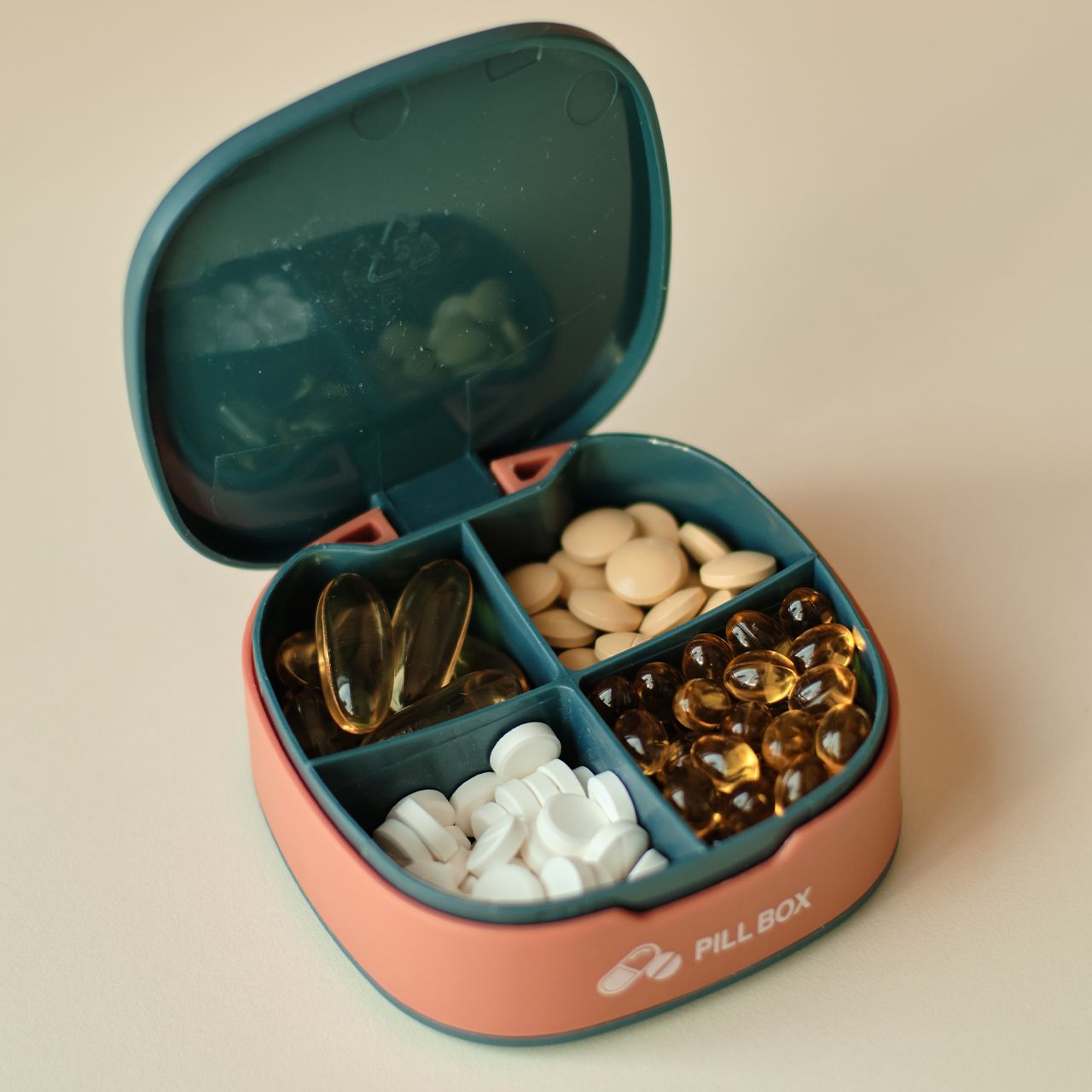




Hormone levels naturally shift after 40, leading to common issues like stress and low energy to a slower metabolism and weight gain. Because of this, many women may reach for supplements promising to help ease these symptoms. But while there are plenty of helpful options out there, others may do more harm than good—especially when they interfere with the body’s delicate hormonal balance or make maintaining a healthy weight more difficult.
We spoke to Dr. Maral Malekzadeh, Board-Certified Gynecologist to learn about a few supplements that might throw your hormones off balance and result in weight gain. Find all of her warnings below.

Women Are Swapping Their Boring Water For This Ice Pop Electrolyte Mix!
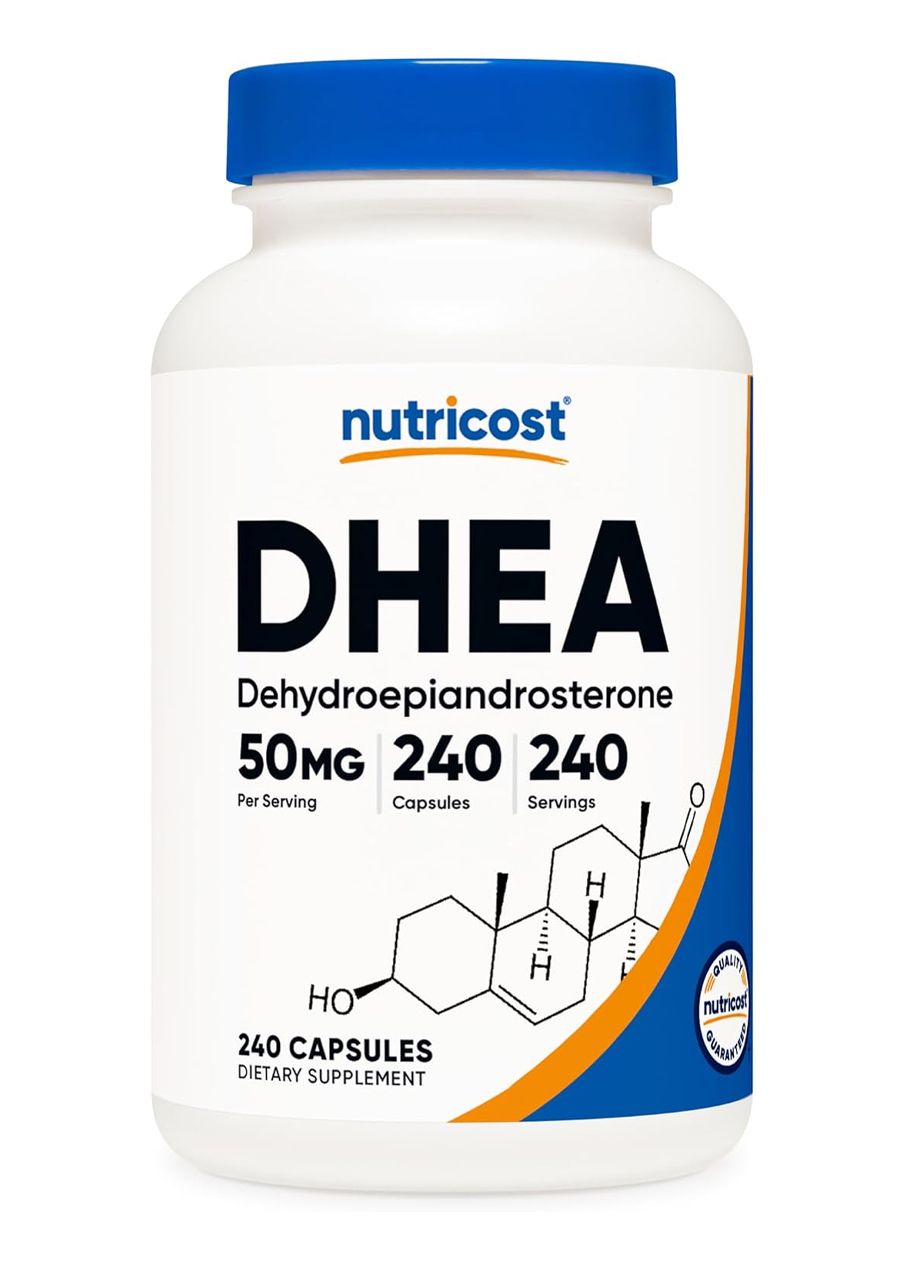
1. DHEA (Dehydroepiandrosterone)
"DHEA (Dehydroepiandrosterone) is a hormone precursor that can increase estrogen and testosterone levels," Dr. Malekzadeh explains. This might lead to adverse effects like acne, an irregular menstrual cycle, changes, in mood, and hormonal imbalance.
DHEA could also contribute to weight fluctuations—including both weight loss and weight gain. Ultimately, Dr. Malekzadeh tells us, "It should only be used when clinically indicated."
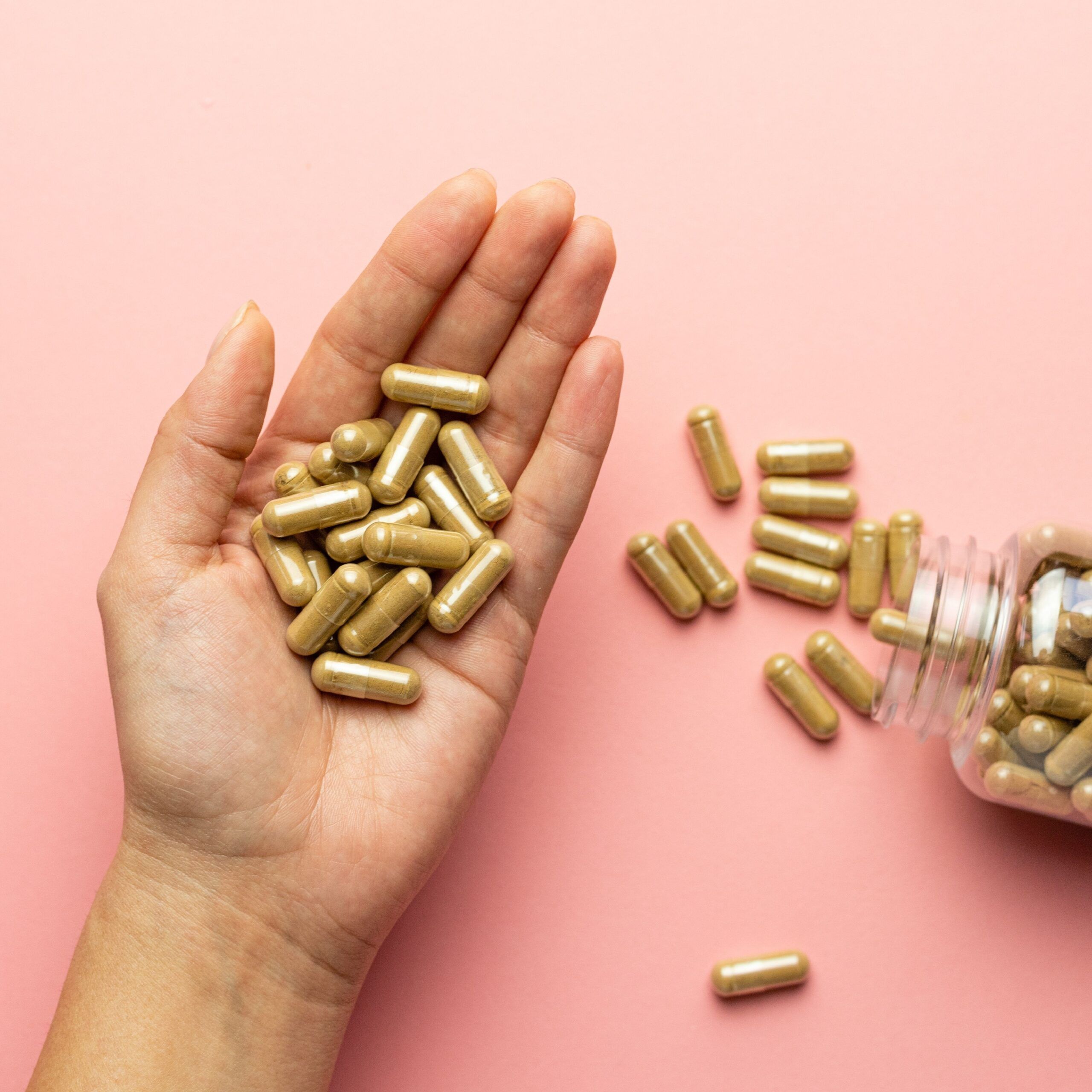
2. Ashwagandha
Ashwagandha is an increasingly popular natural supplement for people looking to lower stress levels. However, it could cause issues with your hormones. Dr. Malekzadeh explains that "it may increase thyroid hormone levels in some individuals and can affect cortisol regulation, making it inappropriate for people with certain thyroid or endocrine disorders."
Luckily, there are plenty of other ways to reduce stress.
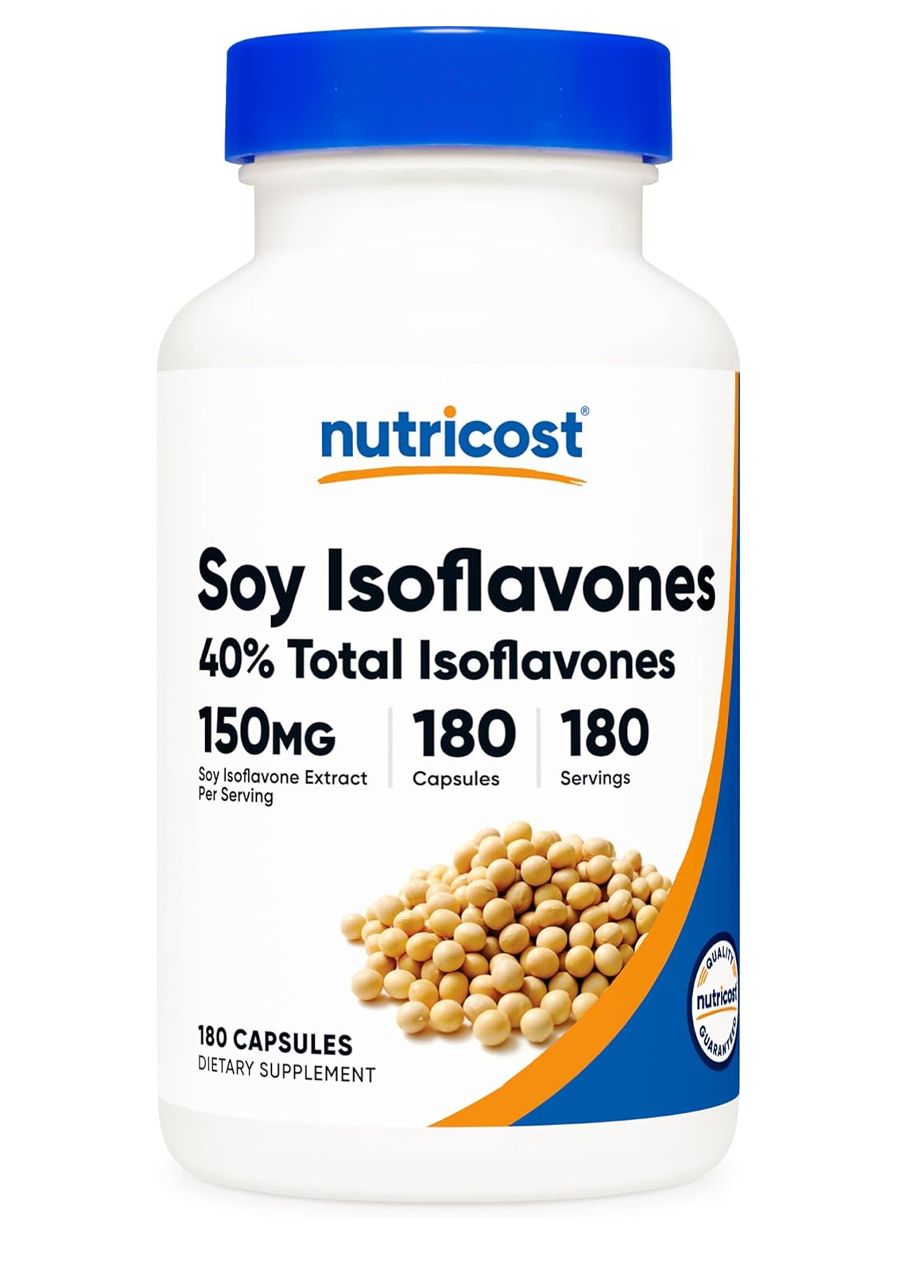
3. High-dose soy isoflavones
According to Dr. Malekzadeh, concentrated phytoestrogen supplements "may influence estrogen receptor activity, particularly in people with hormone-sensitive conditions."
However, she says, "moderate dietary soy intake has not been shown to have these effects." Moderation is key!
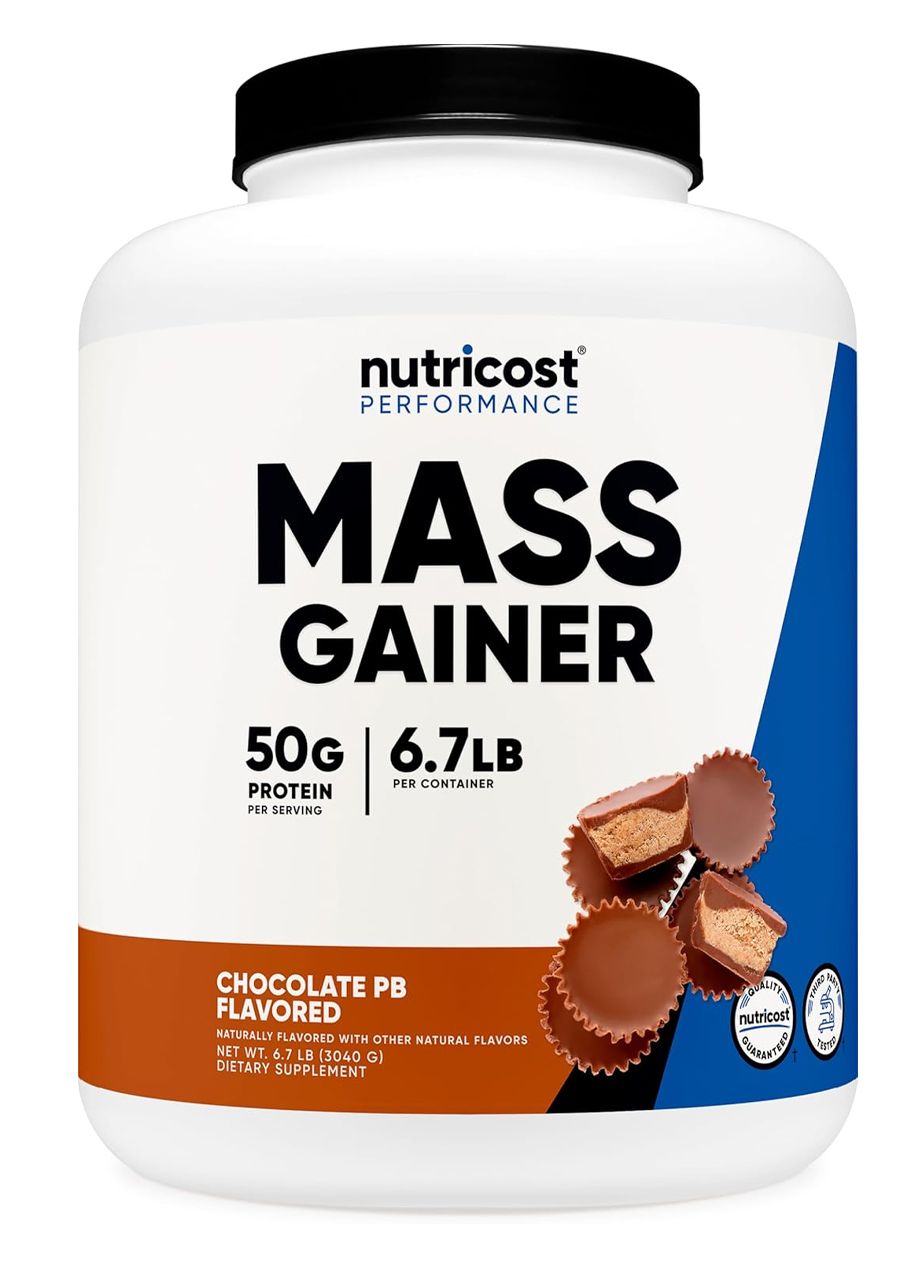
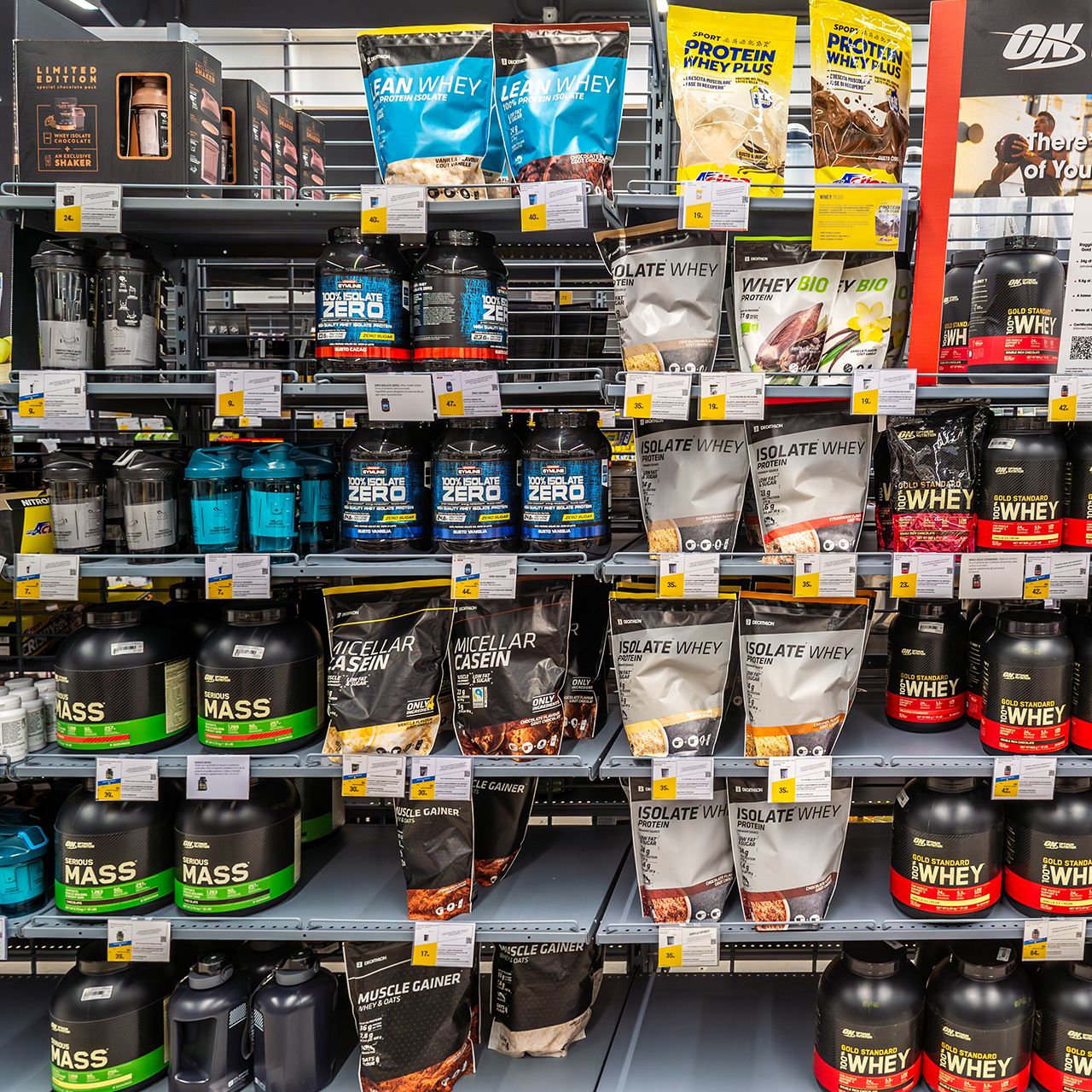
4. Protein Supplements (Mass Gainers)
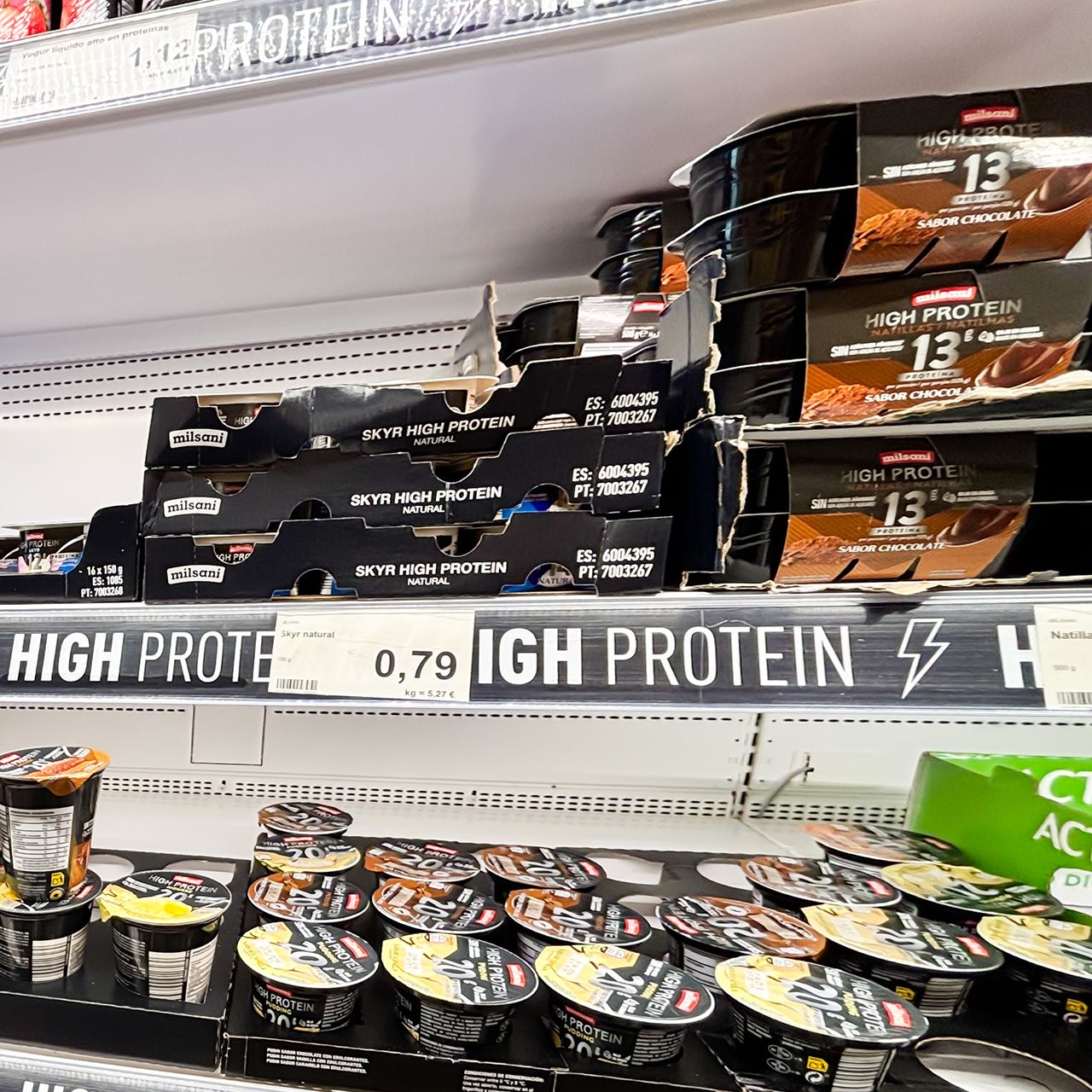
If you're looking to boost your protein intake or bulk up at the gym, you may reach for supplements known as "mass gainers." These are protein supplements with added sugars or maltodextrin, and Dr. Malekzadeh recommends being cautious of them.
"These products are often calorie-dense and can promote weight gain when consumed in excess due to their high carbohydrate and sugar content," she warns.

Prioritize Natural Strategies
It's tempting to reach for supplements that promise to solve your problems, but Dr. Malekzadeh reminds us that natural strategies are always the best way to go.
"I recommend prioritizing lifestyle strategies that naturally support hormone health, including regular resistance exercise, adequate sleep, stress management, and a balanced diet with healthy fats from foods such as avocados, nuts, seeds, and olive oil." she says. "These approaches support normal hormone production without the risks associated with hormone supplementation."
We can definitely get behind that!