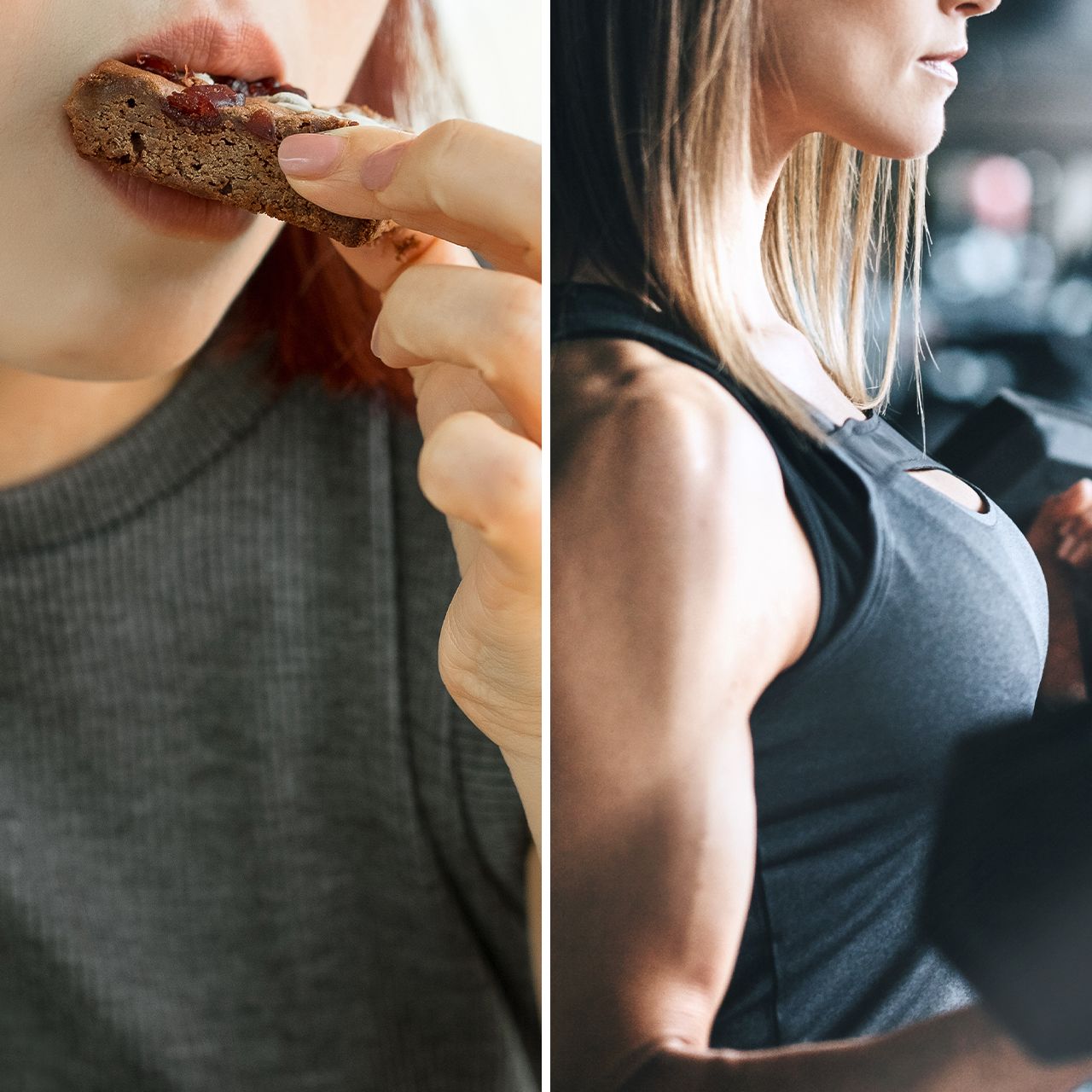





If you feel like you’re constantly reaching for snacks between meals, you’re definitely not alone. Whether it’s the mid-afternoon urge for something salty or the nightly craving for sweets while watching TV, the impulse to snack can be hard to resist—even when you’ve already eaten enough. According to dietitian Sydney Lappe, MS, RDN, cravings are often about much more than physical hunger.
“One important thing to understand is that hunger and cravings aren’t the same thing,” Lappe explains. “Hunger is your body physically needing food, while cravings tend to be much more specific and intense—like suddenly wanting chocolate, chips, or something salty or sweet.” She notes that stress, habits, restriction, and even routines can all contribute to those persistent snack urges. The good news is that building more satisfying meals and making a few small habit changes can help you stay fuller longer and reduce constant cravings without relying on willpower alone.

Women Are Swapping Their Boring Water For This Ice Pop Electrolyte Mix!

1. Anchor Your Meals With Protein
According to Lappe, one of the most effective ways to stay satisfied between meals is to prioritize protein. "Building meals around a solid protein source first—like eggs, Greek yogurt, chicken, tofu, cottage cheese, beans, or fish—can make meals far more satisfying and filling," she says.
Protein helps slow digestion and supports steadier blood sugar and energy levels, which can help reduce the urge to snack shortly after eating. Instead of building meals around refined carbs alone, try making protein the centerpiece to help meals actually keep you full.

2. Add High-Fiber, High-Volume Foods
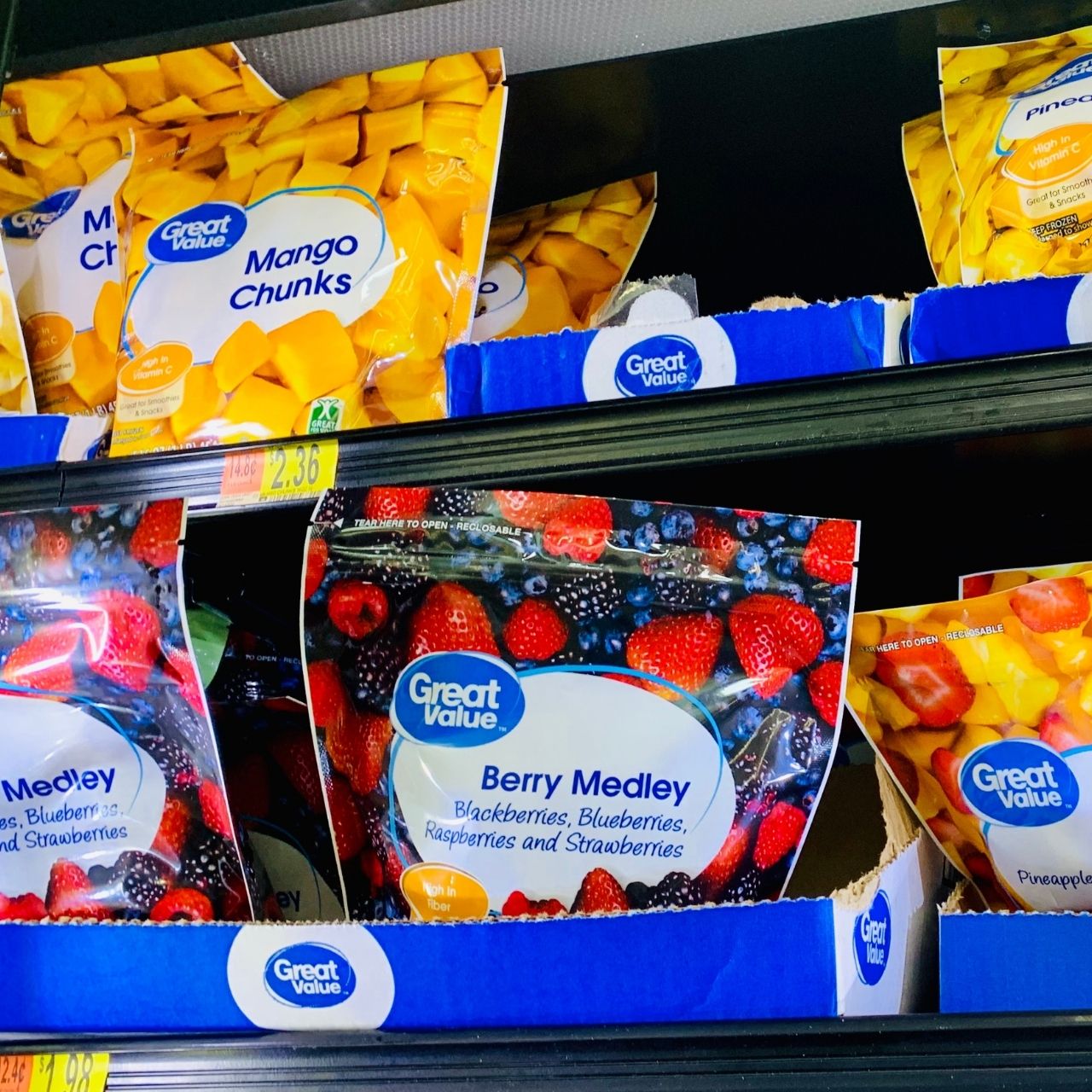
Protein isn't the only important factor in your meals! Fiber-rich foods can also make a major difference when it comes to fullness. Lappe recommends incorporating foods like beans, lentils, fruits, vegetables, broth-based soups, popcorn, and large salads into your meals.
"One of the easiest ways to feel fuller longer is to eat foods with more fiber and volume," she explains. "Meals that physically take up more room in your stomach generally feel more satisfying than small, calorie-dense foods like chips, cookies, pastries, or other snack foods that are easy to eat quickly."
In other words, meals that look and feel more substantial often leave you feeling more satisfied overall.

3. Stay Hydrated Throughout The Day
"Sometimes, what feels like hunger is really just thirst or mild dehydration," Lappe says. "Staying hydrated throughout the day—and drinking fluids with meals—may help meals feel more satisfying and reduce the urge to snack."
If plain water feels boring, she suggests switching things up with sparkling water, herbal tea, or flavored water to make hydration easier and more enjoyable. Even mild dehydration can sometimes mimic hunger cues, making you think you need food when your body may simply need fluids.

4. Slow Down While You Eat
When you eat too quickly, you may not realize when you've hit your threshold. "Eating quickly makes it harder for your brain and stomach to register that you’re full," Lappe explains. "Slowing down while eating—which may mean chewing more thoroughly, sitting down for meals, and minimizing distracted eating—can help meals feel more satisfying and reduce the urge to keep snacking shortly afterward."
Mindless eating while scrolling your phone or watching TV can make it easy to disconnect from hunger and fullness cues, so being more intentional during meals may help curb constant snacking later.

5. Make Healthy Choices More Convenient
Convenience is a major factor in our food choices, even when we don't realize it. As Lappe explains, "Most people eat what’s convenient." Which is often why we reach for processed items we can easily grab from the pantry, cupboards, or fridge. That's why it's important to make healthy options convenient.
"If your kitchen is stocked with quick, filling options—like washed fruit, protein yogurt, boiled eggs, roasted edamame, nuts, or prepped leftovers—you’re far less likely to end up rummaging through the pantry looking for something to snack on," Lappe tells us. Great idea!
Preparing healthy options ahead of time can make a huge difference, especially during busy days when grabbing whatever is easiest feels tempting.

6. Stop Letting Snacking Become Automatic
Lappe also emphasizes that not every craving means your body actually needs food. “Sometimes you’re stressed, bored, procrastinating, mentally fried, or simply used to eating while watching Netflix or sitting at your computer,” she says.
"Even taking 30 seconds to ask yourself, 'Am I actually hungry right now, or do I just need a break?' can help. There are times you really do need food and nourishment—but other times you may just need a quick change of scenery, a mental reset, or a chance to connect with someone for a few minutes." That's a tip we could all use.

The Bottom Line
Remember: When it comes to reducing snack cravings, the goal isn’t perfection or extreme restriction. In fact, overly restrictive eating can sometimes backfire and increase cravings even more. Instead, focusing on balanced, satisfying meals with protein, fiber, hydration, and mindful habits may help you naturally feel fuller for longer—and think about snacks a little less often.