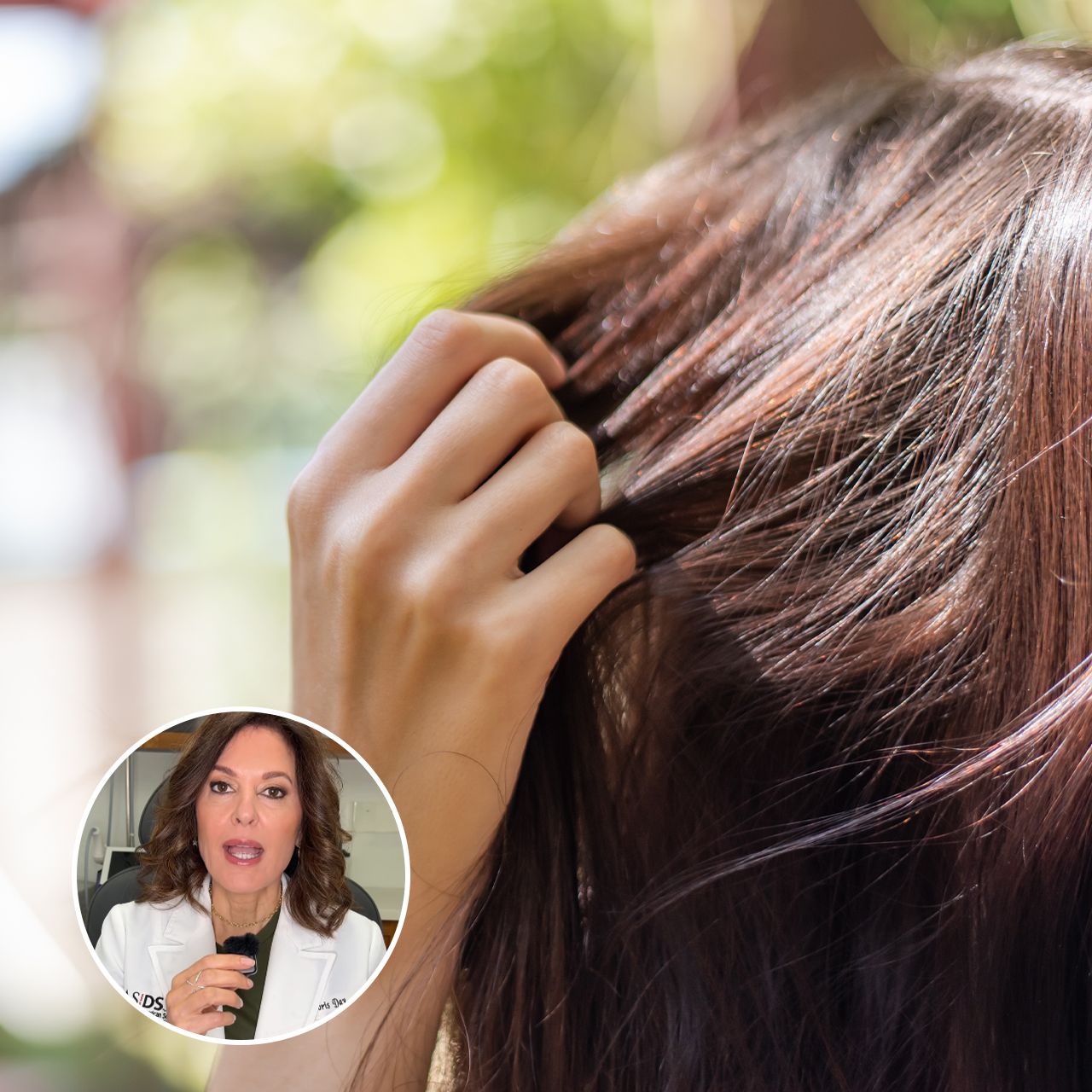



Hair loss during perimenopause and menopause is far more common than many women expect, and yet it can still feel deeply personal and stressful when it happens to you. As estrogen and progesterone levels fluctuate and decline, the hair growth cycle shifts. Strands may spend less time actively growing and more time shedding, and the influence of androgens can cause thinning along the crown or widening at the part. Add to that the sleep disruptions, heightened stress, and metabolic changes that often accompany perimenopause and menopause, and it becomes clear why so many women notice their ponytail density shrinking or their hairbrush filling up more quickly than before.
Menopausal hair loss is often manageable with a holistic approach. Lowering stress levels can help calm the hormone cortisol that contributes to hair loss, while eating a balanced diet rich in protein, iron, and healthy fats provides what hair follicles need to function well. Supplements may also fill in nutritional gaps.
According to experts, certain vitamins and minerals in particular may help encourage healthier growth and reduce excessive shedding — and here are three supplements that are most often recommended for menopausal hair loss.

Women Are Swapping Their Boring Water For This Ice Pop Electrolyte Mix!

1. Creatine
Creatine is better known for its role in muscle strength and energy production, but it may also play a supportive role in hair health. Hair growth takes a lot of energy, and creatine helps cells produce ATP — the primary energy currency of the body. By supporting cellular energy production, creatine may help follicles function more efficiently. Some research has raised questions about creatine’s potential impact on DHT, an androgen linked to pattern hair loss, but evidence is limited here, particularly in women. For menopausal women experiencing muscle loss, fatigue, and metabolic changes alongside hair thinning, creatine may offer other midlife benefits that indirectly support overall vitality — including healthy hair growth.

2. Magnesium
Magnesium plays a role in helping to regulate stress response, sleep, and protein synthesis — all of which influence hair health. Elevated stress hormones, particularly cortisol, can push hair into the shedding phase, and magnesium helps support a calmer nervous system and healthier sleep patterns during a time when both are often disrupted. It also plays a role in energy production and helps activate vitamin D, making it a partner to D3 supplementation. While magnesium alone won’t reverse menopausal hair thinning, making sure you get adequate levels may help create more balance in your body that supports steady, healthy hair growth.

3. Omega-3 Fatty Acids
Omega-3 fatty acids, commonly found in fish oil, help reduce inflammation throughout the body — including around hair follicles. Menopausal hormone changes can contribute to more overall inflammation and scalp dryness, both of which may make shedding worse or make hair appear dull and brittle. Omega-3s support scalp hydration, improve circulation, and may help extend the growth phase of the hair cycle. They also support heart and brain health, which is especially important during midlife. In other words: this is a great supplement to start taking.