




Supplements may seem like a safe, natural way to support your health, but “natural” doesn’t always mean risk-free—especially when you’re taking prescription medications. Some popular supplements can interfere with how medications work, potentially reducing their effectiveness or increasing the risk of serious side effects. In fact, the National Center for Complementary and Integrative Health (NCCIH) warns that St. John’s wort has a high risk of drug interactions, with documented effects on a number of medications.
And St. John’s wort isn’t the only supplement that can cause problems. To find out which combinations to watch out for, we spoke with Janelle Bober, MS, RDN from Dietitian Live, who highlighted four supplements that can cause problems when paired with certain medications. From St. John’s wort and antidepressants to ginkgo and blood thinners, here are the combinations you should know about before adding a new supplement to your routine.

Women Are Swapping Their Boring Water For This Ice Pop Electrolyte Mix!
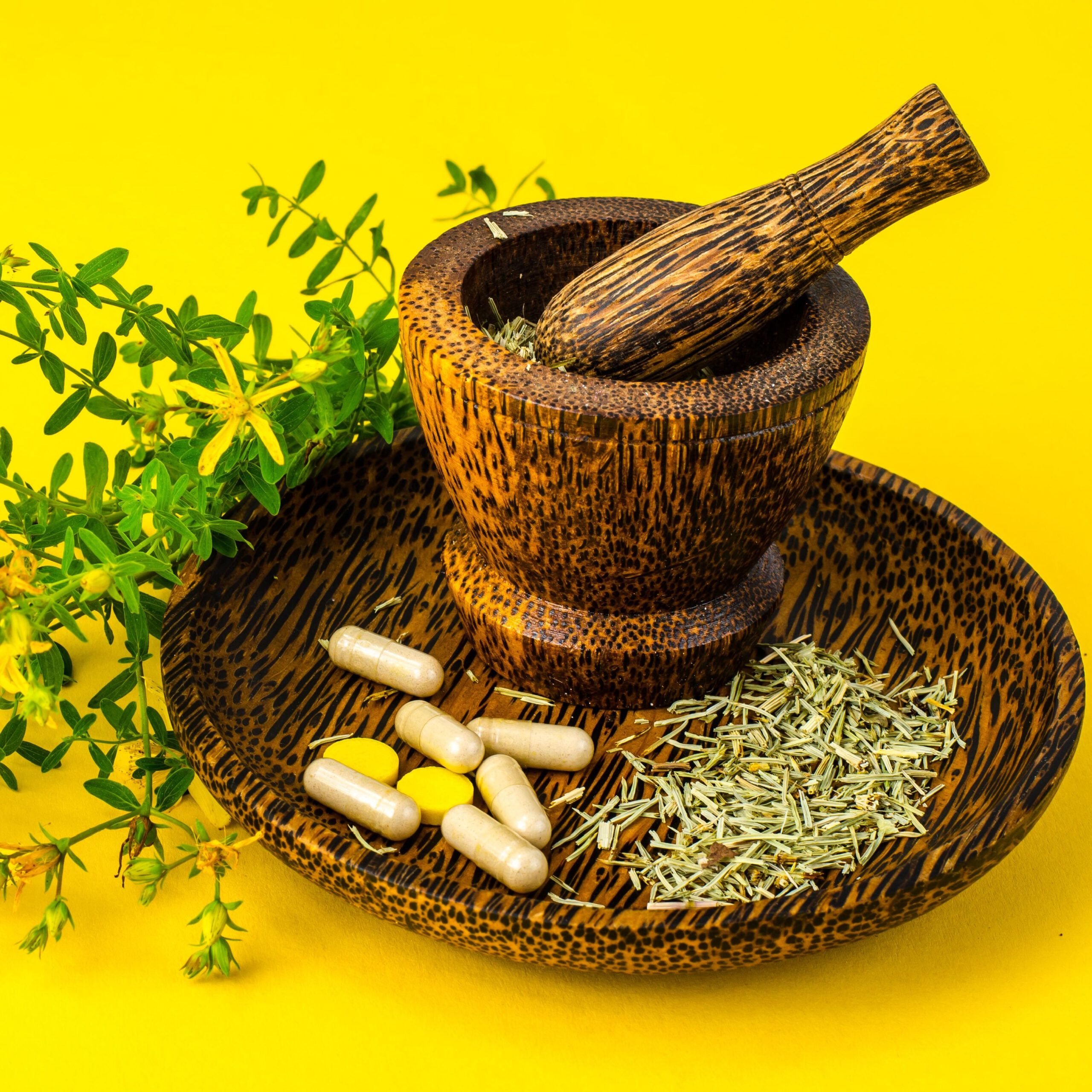
1. St. John’s Wort and Antidepressants
St. John’s Wort is often used to help treat mild depression, so it may sound like a good idea to pair it with an antidepressant. But in reality, this combo could be dangerous.
"It basically interacts with one of our CYP metabolizing systems in our liver and it creates P glycoprotein, and this lowers blood levels of medications, namely antidepressants," says Bober. On top of reducing effectiveness, it can also increase your risk of serotonin syndrome, similar to ginseng.
"This is one of the most studied and researched combinations," she emphasizes. The bottom line: don’t combine it with antidepressants, and opt for safer options instead—like herbal teas or magnesium.
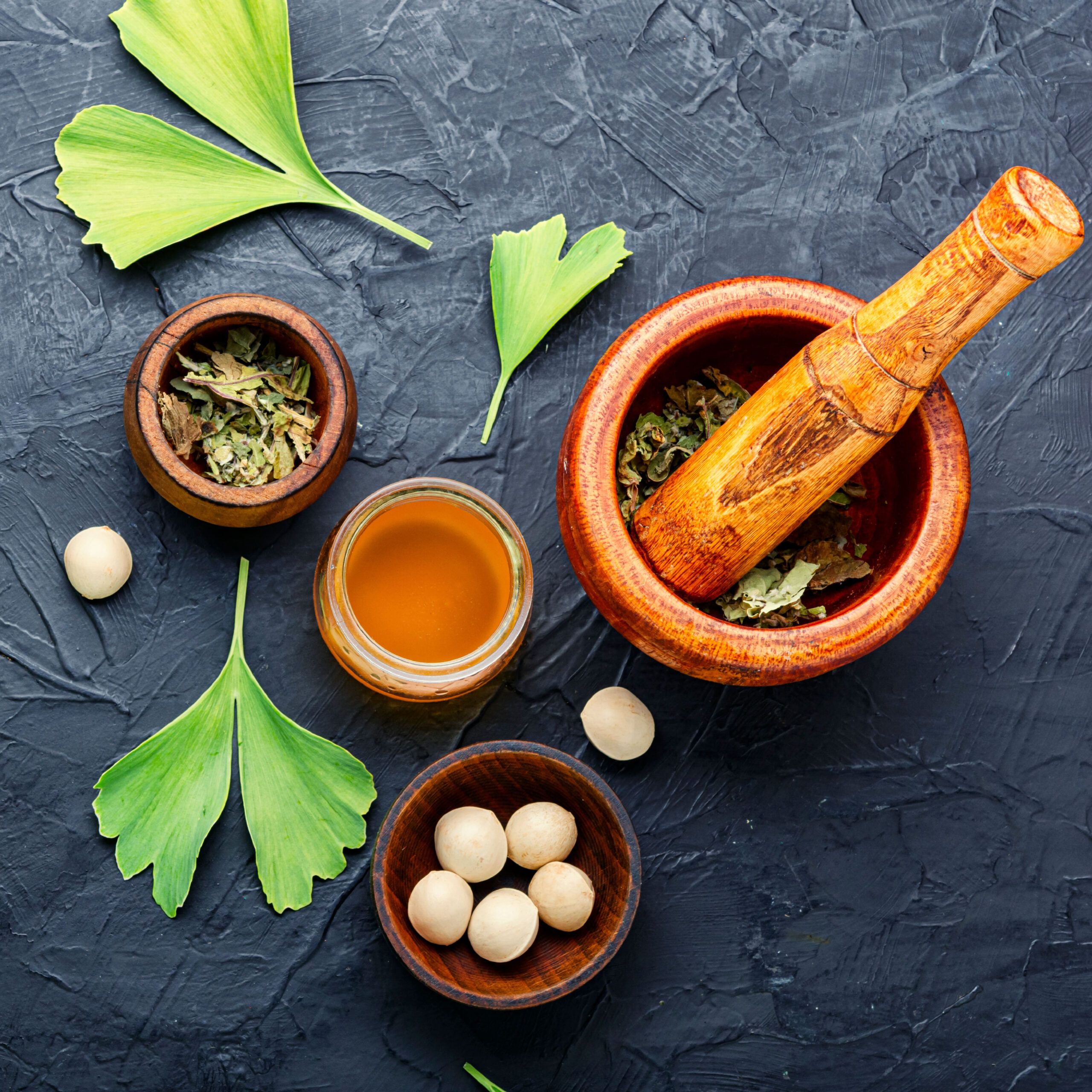
2. Ginkgo Biloba and Blood Thinners
Ginkgo is a popular supplement often used for memory support, but this is another natural option that can spell trouble if you’re on blood-thinners like aspirin, warfarin, or clopidogrel.
"Ginkgo actually impairs platelet aggregation," says Bober. "When combined with blood thinners... it significantly increases your bleeding risk." That can be especially risky for people with bleeding disorders or anyone preparing for surgery.
Instead of ginkgo, Bober recommends options like turmeric or ginger, which may offer similar benefits without the same level of risk.
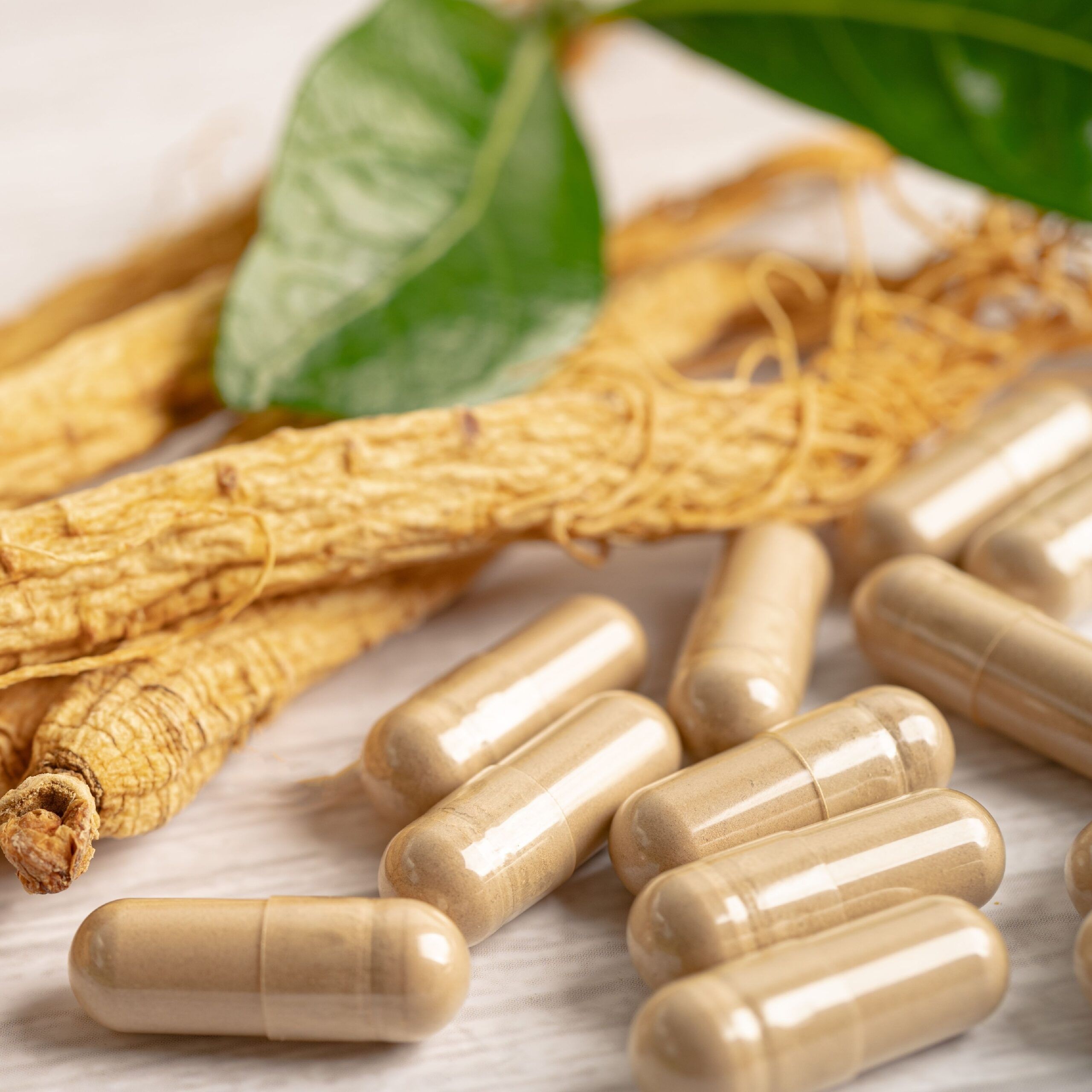
3. Ginseng and Antidepressants
Ginseng is often seen as a natural energy booster, but if you’re taking antidepressants—especially SSRIs, SNRIs, or tricyclics—it’s best to steer clear of this supplement, Bober says.
"Ginseng is serotonergic, meaning it produces serotonin, so it has those types of properties and it may increase our serotonin levels and enhance antidepressant effects," she explains. That might sound great for those seeking relief from low mood, but in reality, it can trigger serotonin syndrome, or the buildup of too much serotonin in the body, leading to symptoms like agitation, confusion, rapid heart rate, and high blood pressure. "The impacts after you experience serotonin syndrome can be really negative because your serotonin then plummets really far and can actually increase your depression symptoms and experiences," Bober explains.
Unless your provider specifically recommends it, Bober advises avoiding ginseng altogether if you're on antidepressants. "Look for different alternatives like magnesium, for example, or just use it under medical supervision."
4. Ginseng and Blood Thinners
Ginseng doesn’t just impact antidepressants. It can also interfere with blood thinners like warfarin or other anticoagulants and antiplatelet medications.
"What happens is that it actually decreases the effect of these medications, and it can decrease our ability to thin our blood," Bober explains. "If we have less coagulation, it can increase the risk of blood clots and actually lead to possible stroke."
If you’re taking any kind of blood thinner, it's important to talk to your doctor before adding ginseng to your routine, and monitor your medication closely.