



This article alone should not be taken as health advice. Speak to a doctor or trainer about the best plan for your personal fitness and health.
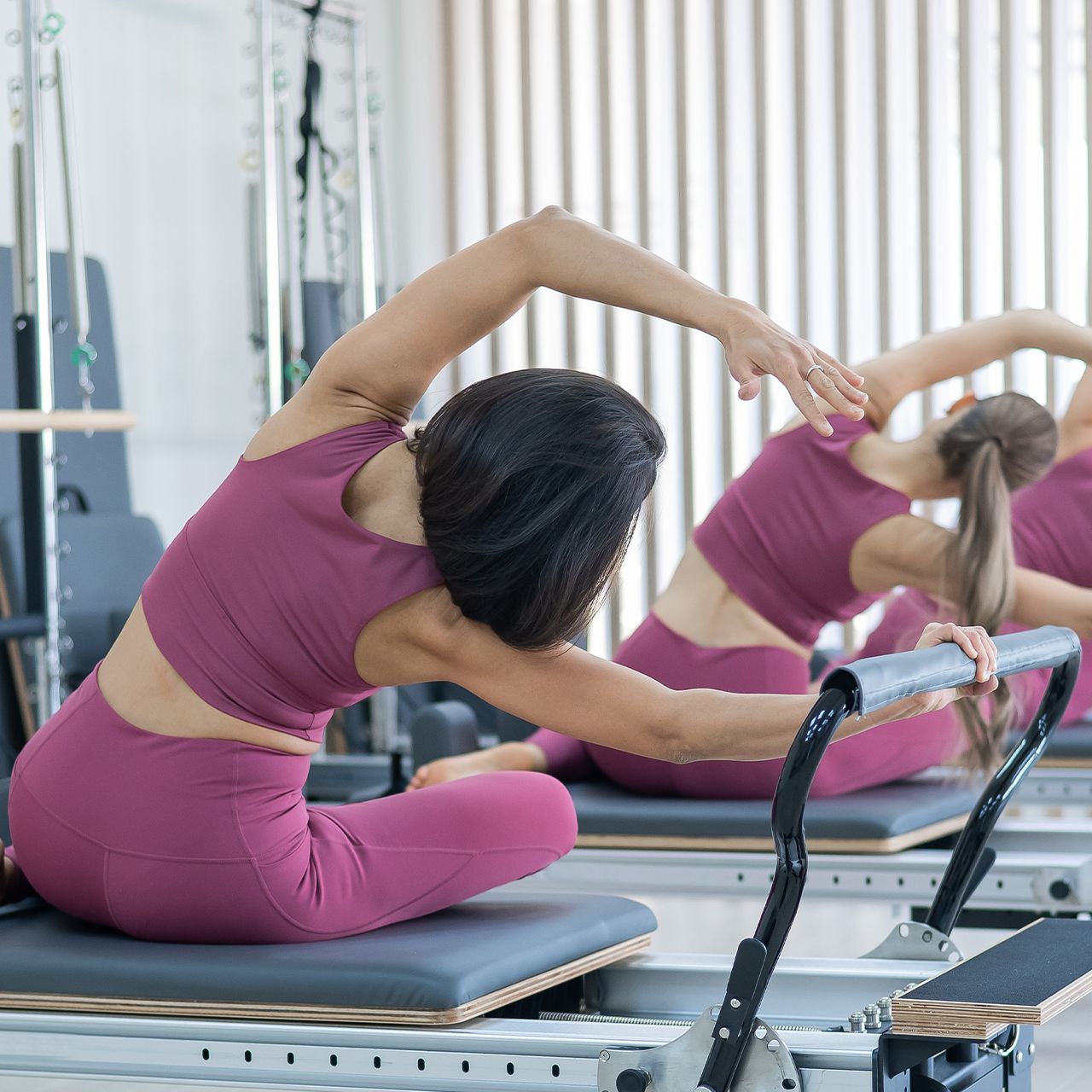
If you’re looking to tone your arms and back, Pilates may be worth adding to your workout routine. The low-impact form of exercise can strengthen your muscles while also improving core stability, posture, mobility and body awareness. And there’s one Pilates move in particular that can work several of the muscles you’re looking to target.
We spoke with Marina Enright, founder of Amare Pilates and a certified Pilates instructor, about the best Pilates move for strengthening the muscles around the arms and back. Her pick? Pilates Swimming, a full-body exercise that works the back of the body while engaging the core, shoulders and glutes. While no exercise can specifically burn fat from one area, strengthening these muscles can help create a more toned and defined appearance.

Women Are Swapping Their Boring Water For This Ice Pop Electrolyte Mix!

The Best Pilates Move For Your Arms And Back: Swimming
According to Enright, Pilates Swimming is particularly effective because it targets the muscles along the back of the body.
“Pilates Swimming is a great full-body exercise that particularly targets the muscles along the back of the body (the posterior chain), including the upper and lower back, shoulders, glutes and core,” she says.
And while you may be tempted to look for an exercise that specifically burns arm or back fat, Enright emphasizes that spot reduction isn't possible—but it is impossible to improve definition over time.
“While you can’t spot reduce fat from one specific area, strengthening these muscles can help create a more toned and defined appearance while improving posture,” she says.
How To Do Pilates Swimming
Ready to try it? Enright broke the process down for us.
“Engage your core and gently lift your chest, arms and legs off the mat, thinking about lengthening from the crown of your head through your toes,” she explains.
From there, alternate lifting your opposite arm and leg in a controlled, rhythmic motion. The goal isn't to lift your limbs as high as possible. Instead, Enright says to focus on creating length through your body, which helps you maintain control and support the movement with your core.
“Also focus on hip and pelvis stability to help you target your core, shoulders, back, and glutes,” she adds.
Why Add Pilates To Your Workout Routine?
Even beyond strengthening the muscles in your arms and back, Pilates can be a useful addition to your overall fitness routine.
“Pilates overall is a great low-impact way to build strength while improving core stability, posture, mobility and body awareness,” Enright says.
With consistent practice, Pilates can also help you move more efficiently in everyday life and during other types of exercise. So if you're looking for a low-impact way to work your entire body while giving your back, shoulders and core some extra attention, Pilates Swimming may be worth trying.