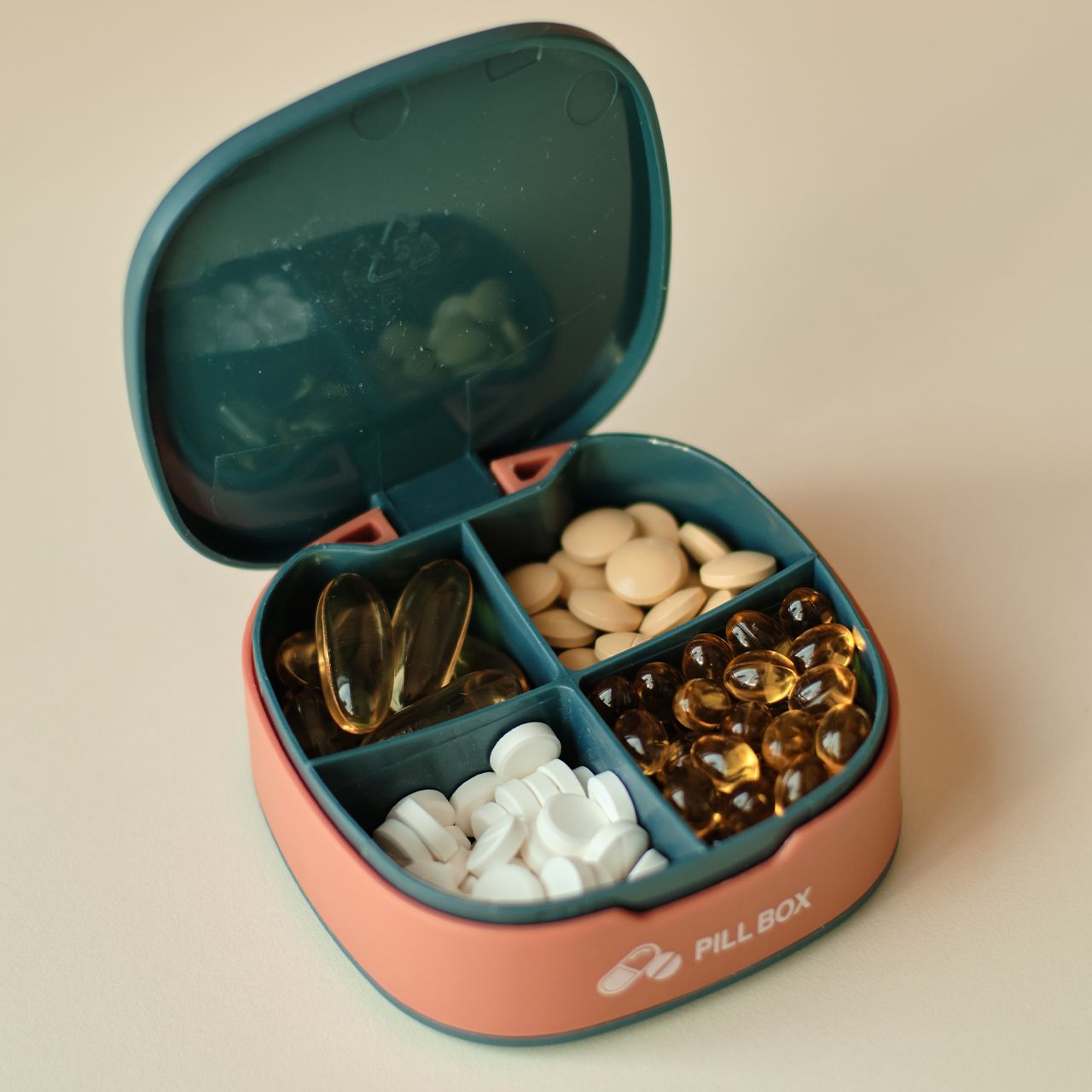





It would be nice if there were miracle supplements that could truly solve all of our health concerns. But the truth is that while supplements can be one way to support wellbeing, fill nutrient gaps left in your diet, and give your body and brain a bit of a boost, not all of these products are reliable. In fact, some may be straight up dangerous—and many are simply a waste of your money due to ineffectiveness.
We gathered insight from health experts to learn about a few deceptive supplements that may not deliver on their promised results. From potentially dangerous detox teas to ineffective multivitamins, find all of their warnings below.

Women Are Swapping Their Boring Water For This Ice Pop Electrolyte Mix!

1. Detox Supplements
Detox supplements (such as "Flat Tummy Teas" or allegedly miracle-working pills) often marketed with promises of cleansing the body and enhancing overall well-being, have faced increasing scrutiny for their questionable efficacy. The fundamental premise behind detox supplements is the notion that they can rid the body of impurities and toxins, providing a fresh start for the internal systems. However, as Dr. Praveen Guntipalli, Medical Director and Owner of Sanjiva Medical notes, this idea runs counter to the natural processes already in place within the human body.
"Detox or cleansing supplements have been heavily condemned for making dubious claims and without scientific proof to support their efficacy," he warns. "These pills frequently claim to cleanse the body of impurities, increase energy levels, and improve general health." However, "These supplements' claims are often hazy and lack substantial evidence." Luckily, your body usually has the whole detoxification thing covered. As Dr. Guntipalli explains, "The human body already has organs that naturally detoxify the system, such as the liver and kidneys." These vital organs play a crucial role in filtering and eliminating toxins from the bloodstream.

2. Vitamin C
You may frequently hear about the importance of Vitamin C, especially when it comes to immunity. While getting enough Vitamin C in your diet is definitely important for your overall health, dietitian Krutika Nanavati says it may not be necessary or even beneficial at all to take a Vitamin C supplement. "You don’t require mega doses of it," she tells us. "Nor does it really prevent you from common cold as per findings." In fact, she notes that "there are no proven consistent effects people can get by taking Vitamin C routinely."
One major reason you may not benefit from taking a Vitamin C supplement is that it’s water soluble. "Being water soluble, excess Vitamin C gets secreted through urine," Nanavati explains. That means that if you get more than your body needs, your body will just end up flushing it out, anyway–i.e. it’s not going to supercharge your immune system. "There is no need to add it as an extra supplement," she confirms. Good to know!

3. Multivitamins
First thing's first: Dr. Austin Lake, recently shared insightful warnings about this very issue on TikTok, cautions against seemingly ubiquitous multivitamins, such as Centrum, Nature Made, One A Day, and Kirkland.
Although these may appear to be a great way to get essential nutrients in one simple package, he bluntly states that "they just aren't going to be all that helpful to you" and "can potentially be a big waste of money" due to their low bioavailability and artificial additives. Dr. Lake encourages a shift toward obtaining essential nutrients from a well-rounded diet rather than relying on these widely marketed multivitamins.

4. Probiotics
Turning to probiotics, Dr. Lake stresses that "Probiotics are often a big waste of money because people are buying insufficient amounts of the right kinds of probiotics."
He recommends ensuring you're taking the right quantities (typically ranging from 10 billion to 100 billion CFUs, depending on your health concerns), and underscores the importance of live activated cultures found in foods like kefir, sauerkraut, kimchi, and kombucha.