




When it comes to skincare and haircare, more isn’t always better—and some of the habits you think are helping could actually be doing the opposite. According to board-certified dermatologist Dr. Joyce Park, a handful of everyday routines may be quietly damaging your skin barrier, irritating your scalp, and slowing down healing. The good news? A few simple tweaks can make a major difference.
Here are five “harmful” habits to break—and what to do instead:

Women Are Swapping Their Boring Water For This Ice Pop Electrolyte Mix!

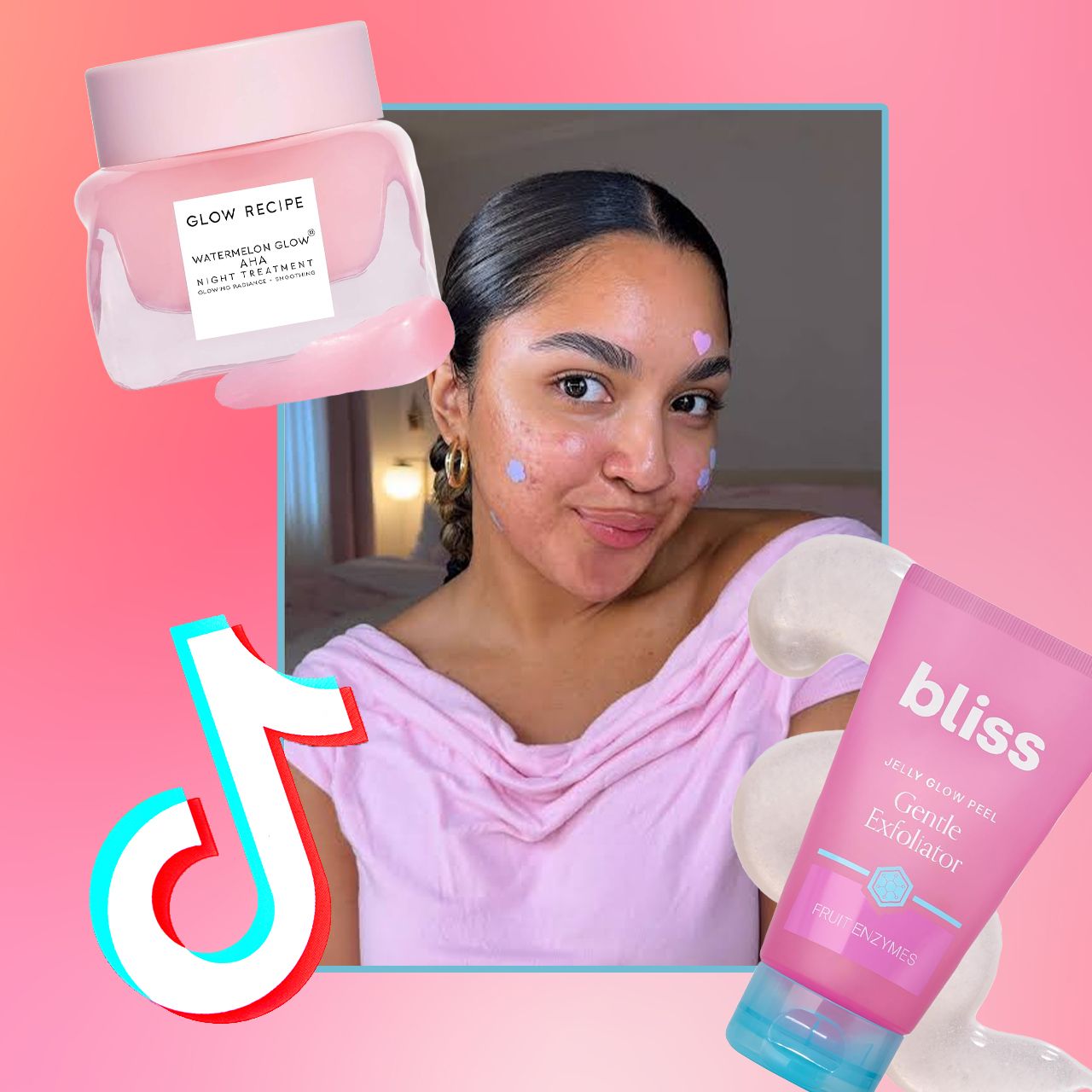
1. Over-Exfoliating Your Skin
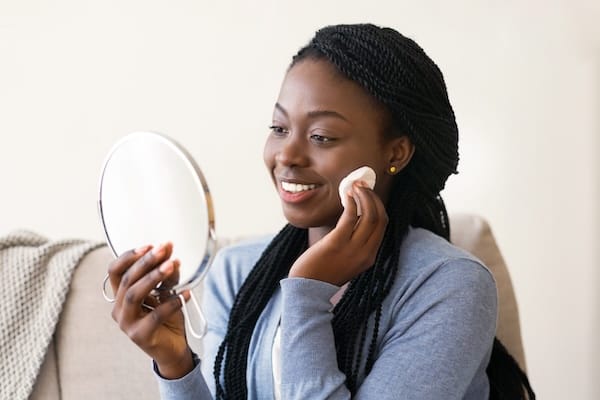
Exfoliating daily might seem like the fast track to smoother, clearer skin, but it can actually backfire.
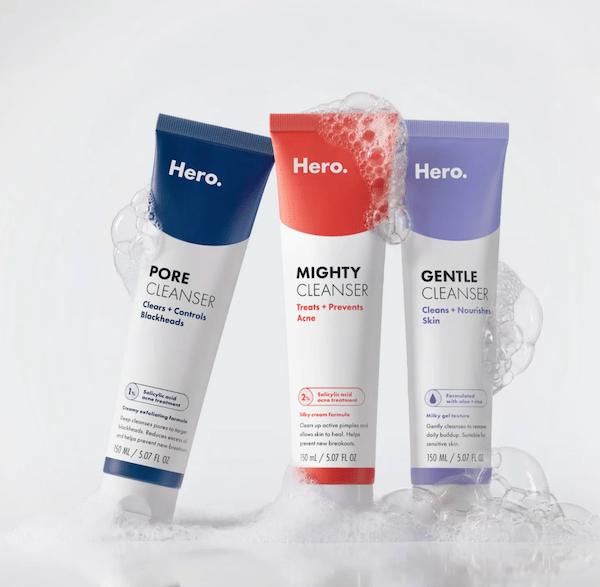
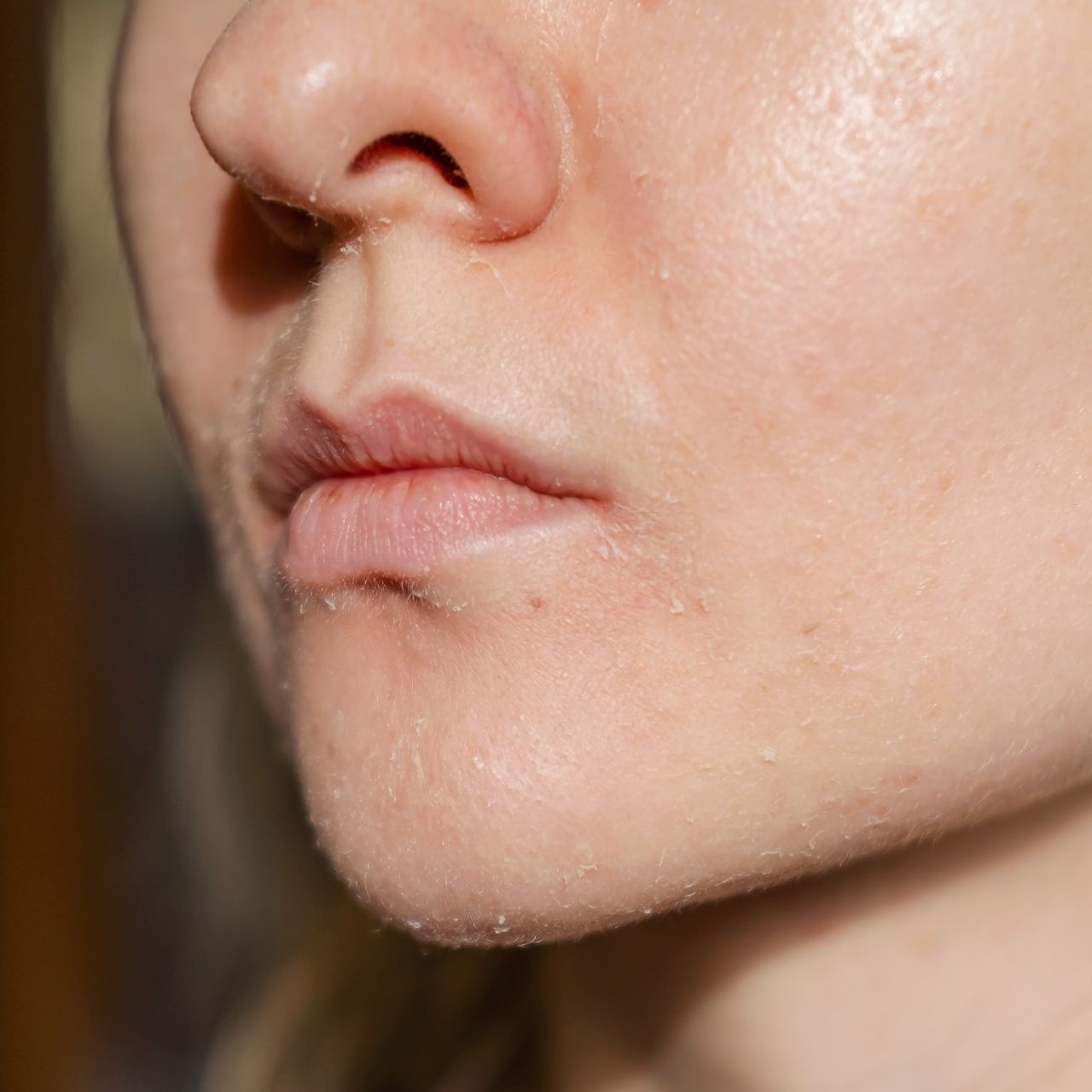
“Exfoliating every single day to ‘clear faster’ sounds healthy, but it often damages your barrier,” says Dr. Park. Overdoing it can lead to redness, sensitivity, and breakouts. Instead, stick to exfoliating one to three times a week and give your skin time to recover in between.

2. Sleeping With Wet Hair
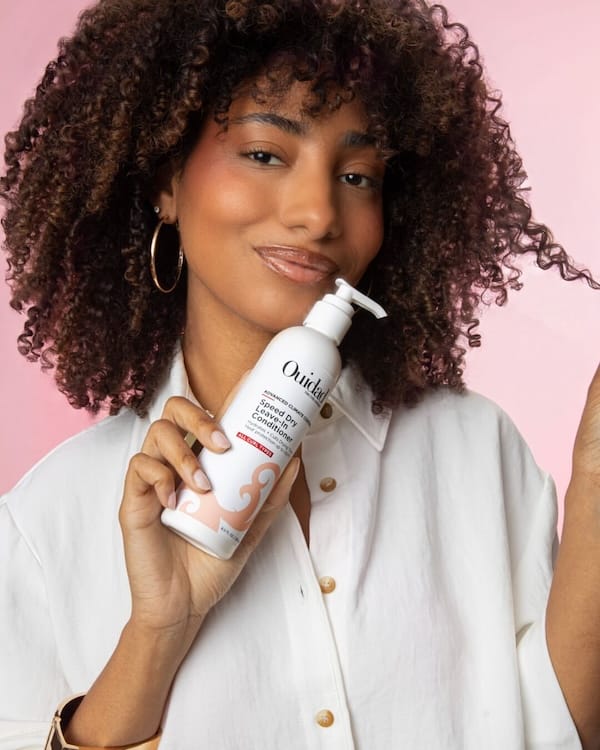
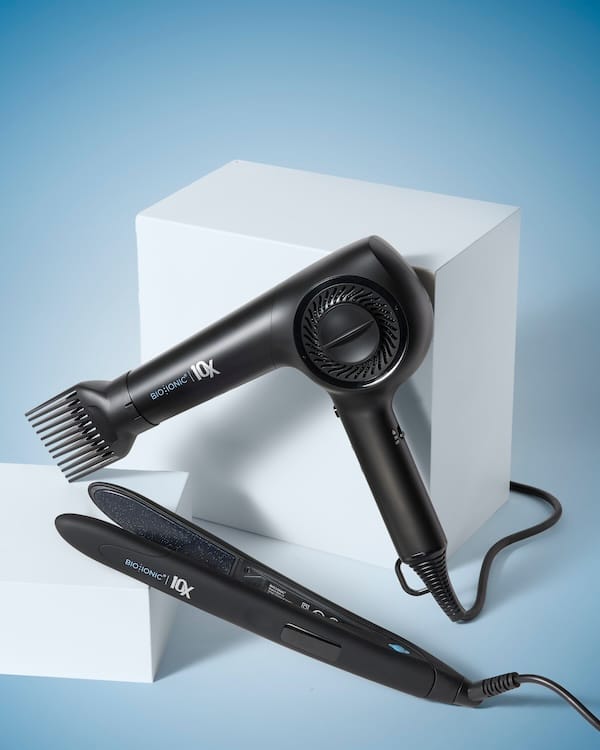
Heading to bed with damp hair may feel harmless, but it can wreak havoc overnight. Trapped moisture can weaken hair strands, leading to breakage, frizz, and even scalp irritation. Dr. Park recommends drying your hair before bed using low, controlled heat if needed. It’s a small step that can help keep both your hair and scalp healthier.

3. Taking Hot Showers
A steamy shower might be relaxing, but your skin isn’t a fan. Hot water strips away natural oils, leaving your skin dry, tight, and more prone to irritation. Switching to lukewarm water helps maintain your skin’s moisture barrier while still getting you clean—without the unwanted side effects.

4. Picking at Your Skin
It’s tempting to pick at blemishes in hopes of speeding up healing, but this habit often causes more harm than good. According to Dr. Park, picking can increase inflammation, delay healing, and lead to scarring or dark spots. Let your skin heal naturally, and opt for targeted treatments instead.

5. Overusing Antibiotic Ointments
Reaching for antibiotic creams like Neosporin for every minor cut might seem like the right move, but it’s not always necessary. Dr. Park notes that these products can sometimes trigger irritation or allergic reactions. For simple wounds, plain petroleum jelly is often a safer, more effective option to keep the area moist and support healing.