





Digestive health is one of the most important factors when it comes to immunity, inflammation, and stubborn weight gain. And taking care of your gut becomes increasingly crucial as we get older; research shows that gut microbiome diversity tends to decline with age, which can affect everything from nutrient absorption to energy burn. That’s why you may want to make gut health a top priority if you’re a woman over 50.
According to Dr. Valerie Pershad, a family practice physician with a functional medicine background, the gut plays a central role in healthy aging. “We see gut microbiome diversity decline with age,” she explains. “A well-balanced microbiome is essential to maintain gut health.” She adds that gut health doesn’t just affect digestion, but also directly impacts immune strength and metabolism. “Metabolic efficiency is critical to sustainable weight balance, especially as we get older in age and a common concern for women as they age.”
That being said, here are the top foods she recommends to keep your gut in great shape and reap the benefits of a well-oiled microbiome.

Women Are Swapping Their Boring Water For This Ice Pop Electrolyte Mix!

1. Fermented Vegetables (Sauerkraut, Kimchi)
Fermented foods, especially vegetables, are one of the most effective ways to introduce beneficial bacteria into the gut.
"These foods are naturally rich in diverse probiotics and also high in fiber," Dr. Pershad says. The live cultures—particularly Lactobacillus species—help strengthen the gut barrier and reduce inflammation, which supports both immune health and metabolic regulation.
Dr. Pershad recommends adding "a few tablespoons as a side to meals, mixing into grain bowls, or using as a topping on soups and salads," while avoiding versions high in added sugar.

2. Polyphenol-Rich Berries (Blueberries, Raspberries, Pomegranate)
Berries can satisfy your sweet tooth and actively nourish beneficial gut microbes.
"Berries are high in fiber and polyphenols, plant compounds that promote the growth of health-associated microbes, especially Akkermansia," Dr. Pershad explains. These compounds increase short-chain fatty acid (SCFA) production, which supports gut health, immune resilience, and weight management thanks to their low calorie density.
Add berries to oatmeal or yogurt, toss into salads, or enjoy them as a simple winter snack.
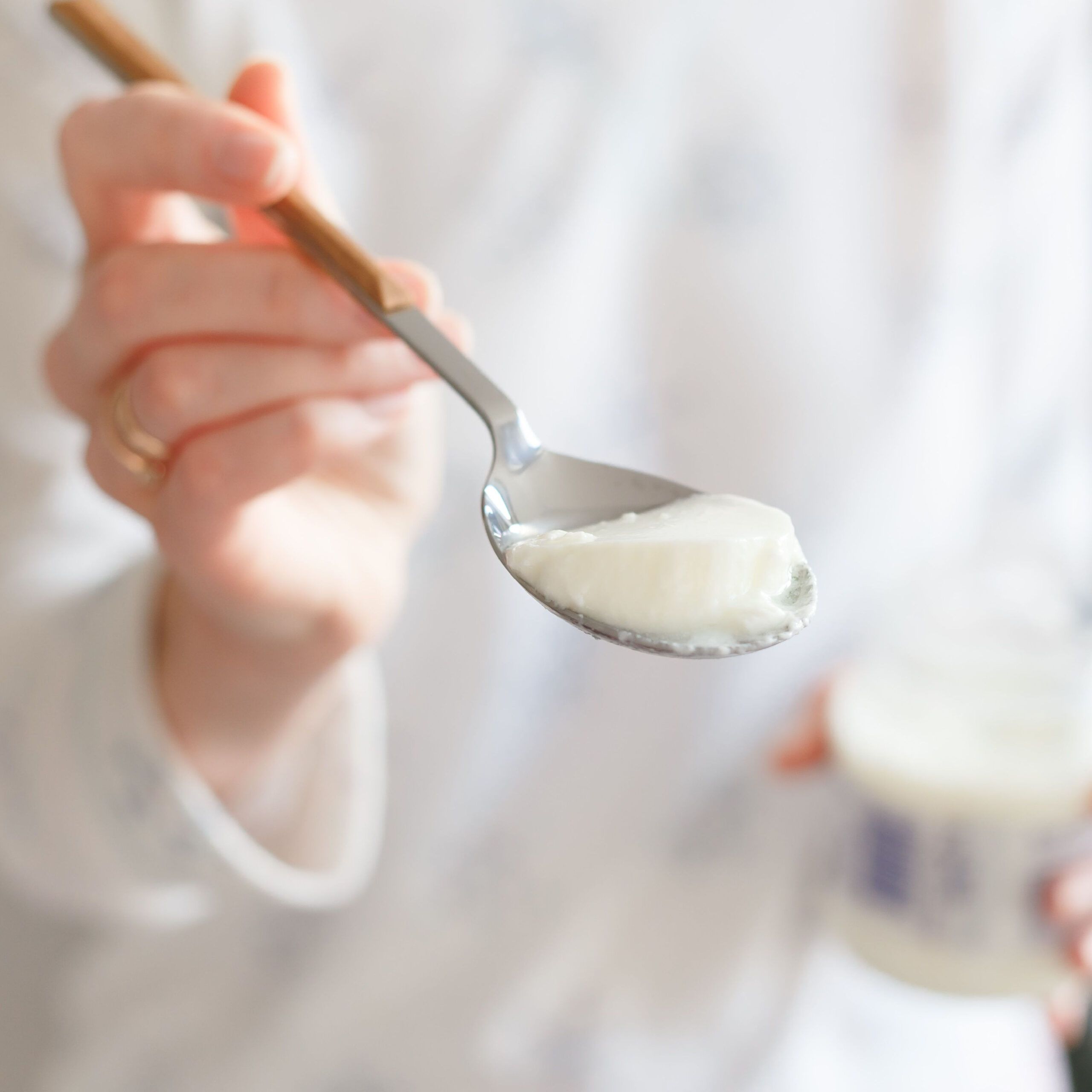
3. Fermented Dairy (Greek Yogurt And Skyr)
Live-cultured yogurt can be especially beneficial for women over 50.
"Yogurt contains live cultures like Lactobacillus and Bifidobacterium that support a balanced gut microbiome," says Dr. Pershad. She notes these probiotics are associated with improved digestion, healthier metabolic markers, and a lower risk of becoming overweight. Yogurt also provides calcium and vitamin D, which are essential for bone health and immune support as we age.
Choose plain Greek or Skyr yogurt and pair it with berries and nuts, or blend into smoothies and savory dressings.

4. Garlic, Onions, Leeks, And Asparagus
Everyday vegetables like garlic, onions, leeks, and asparagus are surprisingly packed with probiotics.
"They contain prebiotic fibers like inulin and fructooligosaccharides that feed beneficial gut bacteria," Dr. Pershad explains. Once metabolized, these fibers produce SCFAs that strengthen the gut lining, reduce inflammation, and help regulate appetite and energy metabolism—key factors for immunity and weight control.
Want to enjoy these veggies and their benefits? Sauté garlic and onions with winter greens, add leeks to soups, or roast asparagus as a side dish.

5. Miso
Another probiotic-packed favorite, miso is a fermented soybean paste that is loaded with gut-supporting benefits.
"Miso is rich in probiotics and enzymes," says Dr. Pershad. She explains that its fermentation-derived microbes help support gut integrity and immune function by stimulating mucosal immunity. It’s also low in calories but packed with flavor, and it's great for staying satisfied.
There are so many ways to enjoy miso. Sip miso soup as a light breakfast or stir miso into dressings and marinades.

6. Chia Seeds
These are small but powerful! Chia seeds offer multiple gut and metabolic benefits.
"They provide soluble fiber and omega-3 fatty acids," Dr. Pershad says. In the digestive tract, chia seeds form a gel that slows digestion, feeds beneficial microbes, reduces inflammation, and supports appetite regulation.
These seeds are highly versatile. Stir them into porridge or smoothies, or make chia pudding with unsweetened almond or coconut milk.

7. Fatty Fish (Salmon, Sardines)
Fatty fish serves as a great lean protein option that supports gut health indirectly by reducing inflammation.
"Fatty fish is an excellent source of omega-3 fatty acids, which can favorably alter gut microbial composition," Dr. Pershad explains. Omega-3s help regulate immune responses and maintain gut integrity, while swapping fish for higher-calorie proteins may aid weight management.
You can bake, grill, or poach fatty fish twice a week, or flake it into salads with fiber-rich sides.

8. Bone Broth
Bone broth is especially soothing during winter—and supports the gut lining.
"It contains amino acids like glutamine and glycine that support gut lining integrity," Dr. Pershad says, noting that it’s also rich in collagen. A stronger gut lining improves immune function and reduces inflammation that can interfere with metabolism.
Trying sipping bone broth between meals, using it as a soup base, or cooking grains and legumes in it for extra nourishment. Yum!