



The right foundation can be a wonderful addition to your makeup routine, helping to even out your complexion, enhance your natural glow, and create a smooth, radiant finish. But as the seasons change and temperatures drop, your skin’s needs can change, too. Fall’s cooler air can leave skin feeling drier than usual, especially mature skin, which naturally produces less oil over time. Even a foundation you’ve loved for years may suddenly start settling into fine lines, clinging to dry patches, or looking cakey by midday.
Sometimes, a few small adjustments to your makeup routine can make all the difference. From applying too much setting powder to overlooking the importance of skin prep, certain common foundation mistakes can emphasize texture and dryness rather than create the soft, luminous look you’re after. And while there’s absolutely nothing wrong with fine lines, wrinkles, or other natural signs of aging, there’s also nothing wrong with wanting your makeup to look its best. Here are three foundation mistakes that can make mature skin appear dry and patchy this fall, along with simple ways to achieve a smoother, more hydrated-looking complexion.

Women Are Swapping Their Boring Water For This Ice Pop Electrolyte Mix!
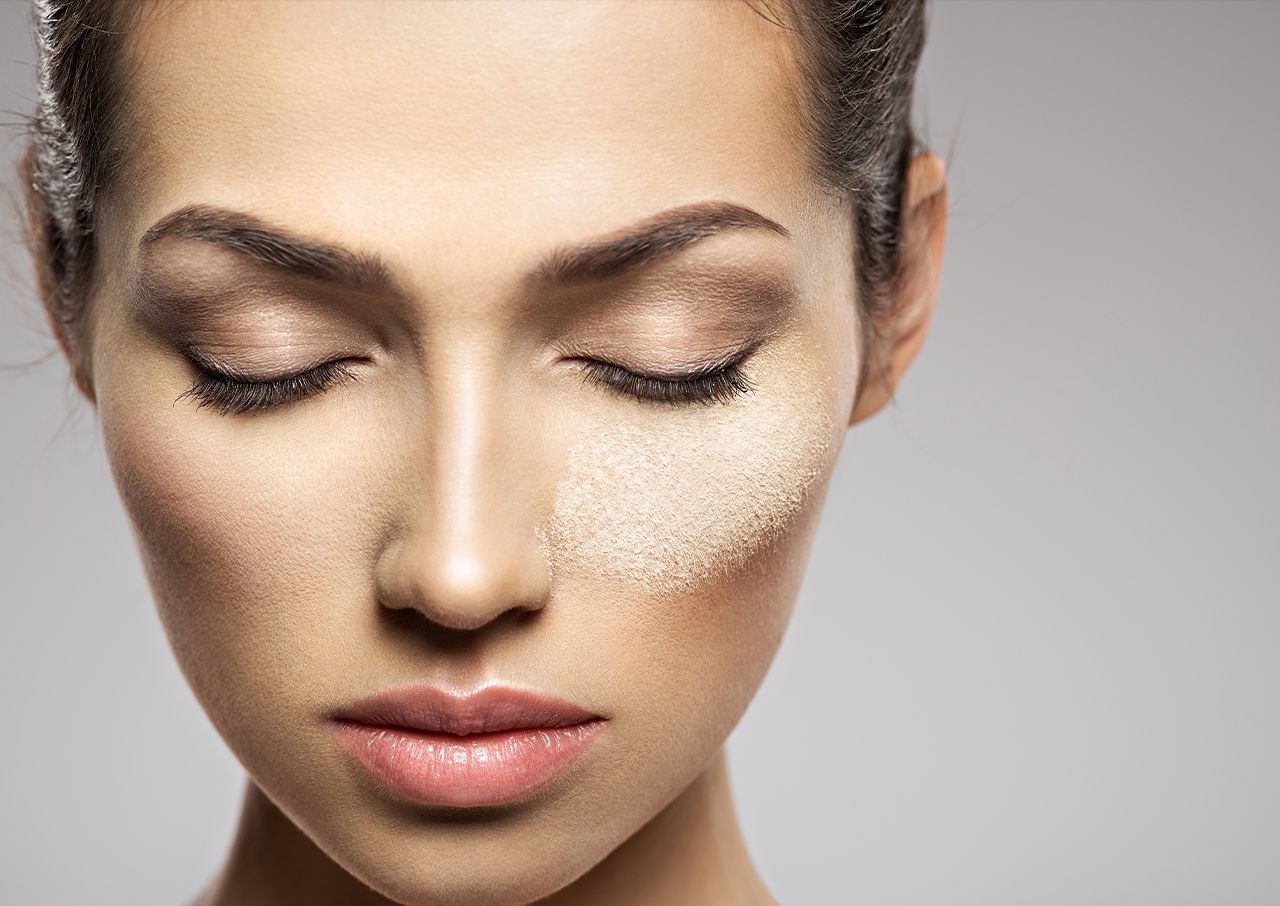
1. Over-Powdering
Setting powder can be a great way to keep your foundation in place and minimize unwanted shine, but applying too much can have the opposite effect of what you're hoping to achieve, especially on mature skin. As skin ages, it naturally produces less oil, which means it may already be more prone to dryness. Layering on too much powder can absorb what little moisture and natural oil your skin has, emphasizing fine lines, wrinkles, and dry patches. Instead of creating a smooth, flawless finish, excessive powder can make foundation appear cakey and settle into areas of texture. A better approach is to use a finely milled, lightweight translucent powder sparingly, concentrating on areas where you tend to get shiny, like your T-zone, while allowing the rest of your complexion to maintain its natural radiance.
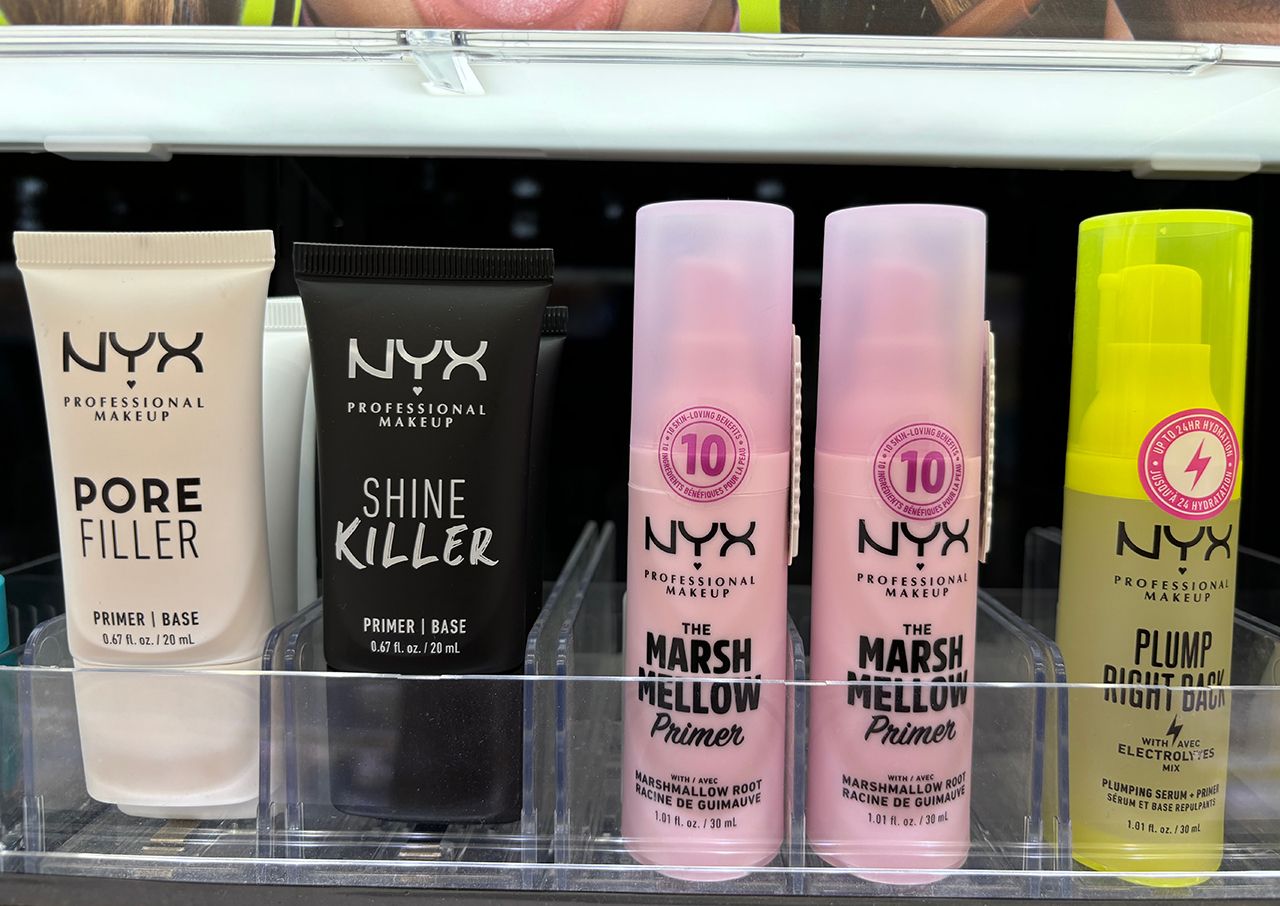
2. Skipping Primer
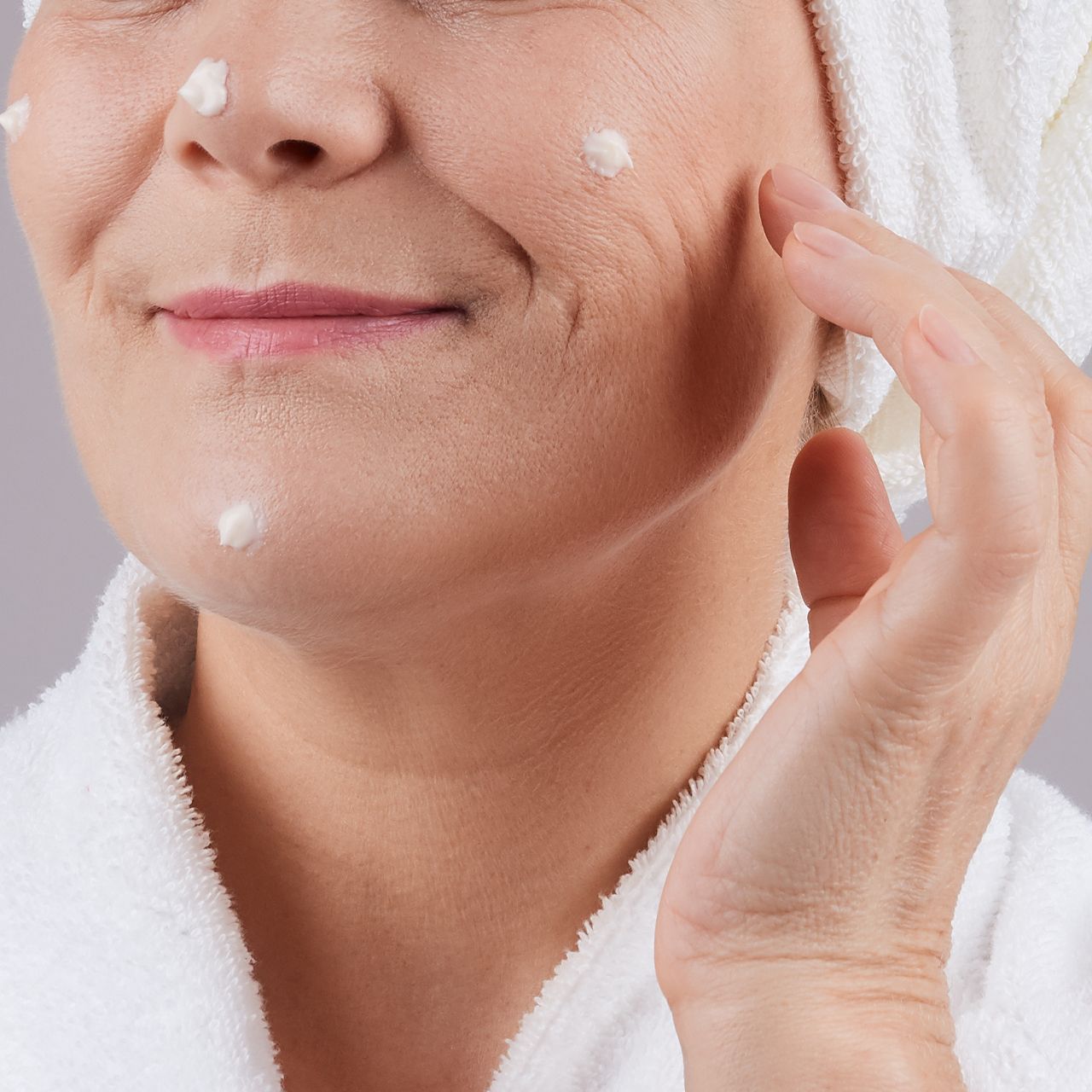
You may think of primer as an optional step in your makeup routine, but the right formula can make a noticeable difference in how foundation looks and wears on mature skin. Skipping primer, especially when your skin is feeling dry during the cooler fall months, can leave foundation clinging to rough patches, settling into fine lines, or looking uneven throughout the day. A hydrating primer can help create a smoother-looking surface for foundation while adding a boost of moisture that keeps your complexion looking fresh and supple. Look for formulas containing ingredients like hyaluronic acid, glycerin, and squalane, which help attract or retain moisture and soften the appearance of dryness.
3. Using Matte Foundation
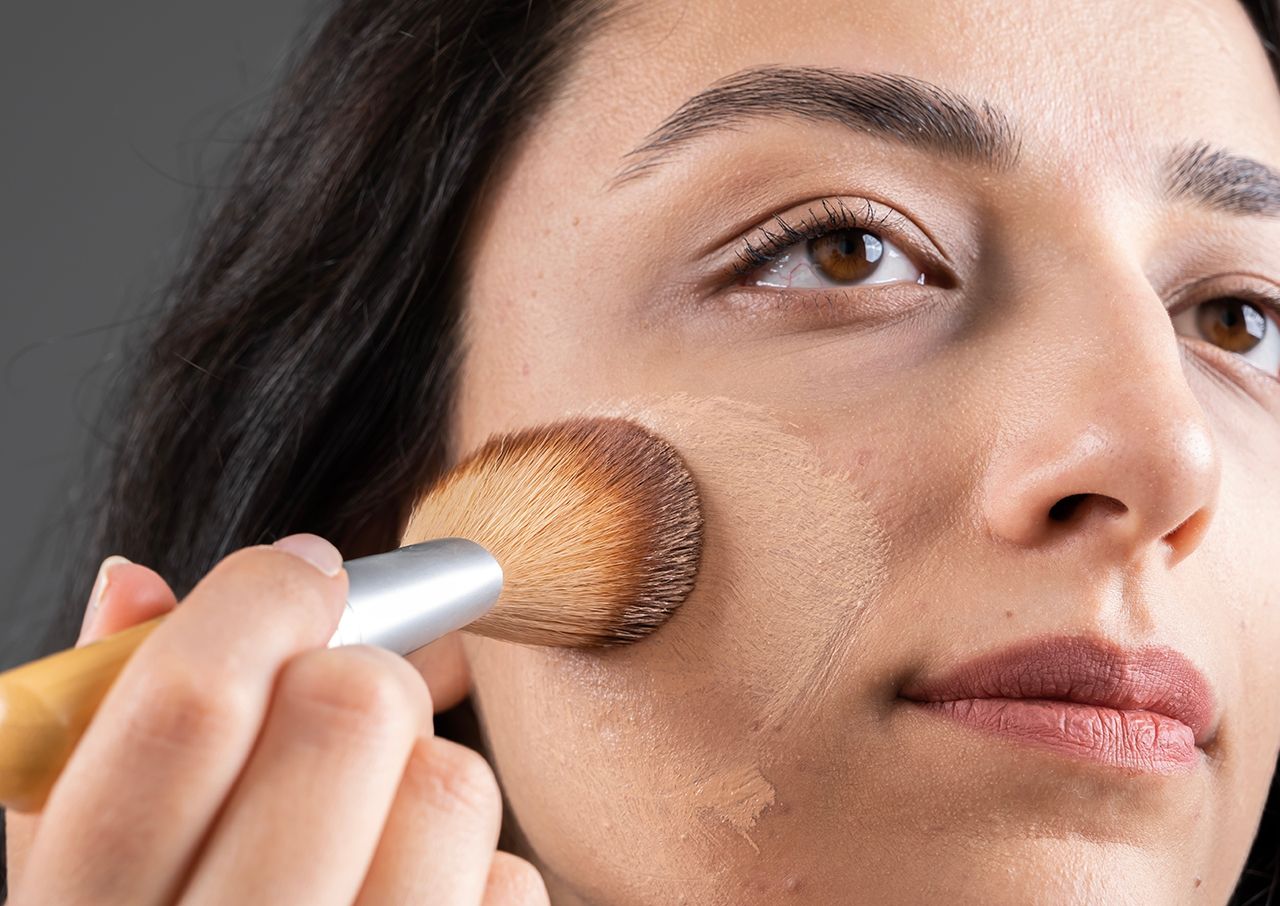
Matte foundation can look beautiful on many skin types, but certain full-coverage, oil-absorbing formulas may not be the most flattering choice if your mature skin is already on the dry side. These foundations are designed to reduce shine, which can sometimes leave skin looking flat or emphasize fine lines, wrinkles, and areas of uneven texture. During fall, when cooler temperatures and dry indoor heating can make skin feel even more dehydrated, a heavy matte formula may cling to dry patches and create a cakey appearance. Instead, consider switching to a lightweight, hydrating foundation with a natural, satin, or luminous finish.