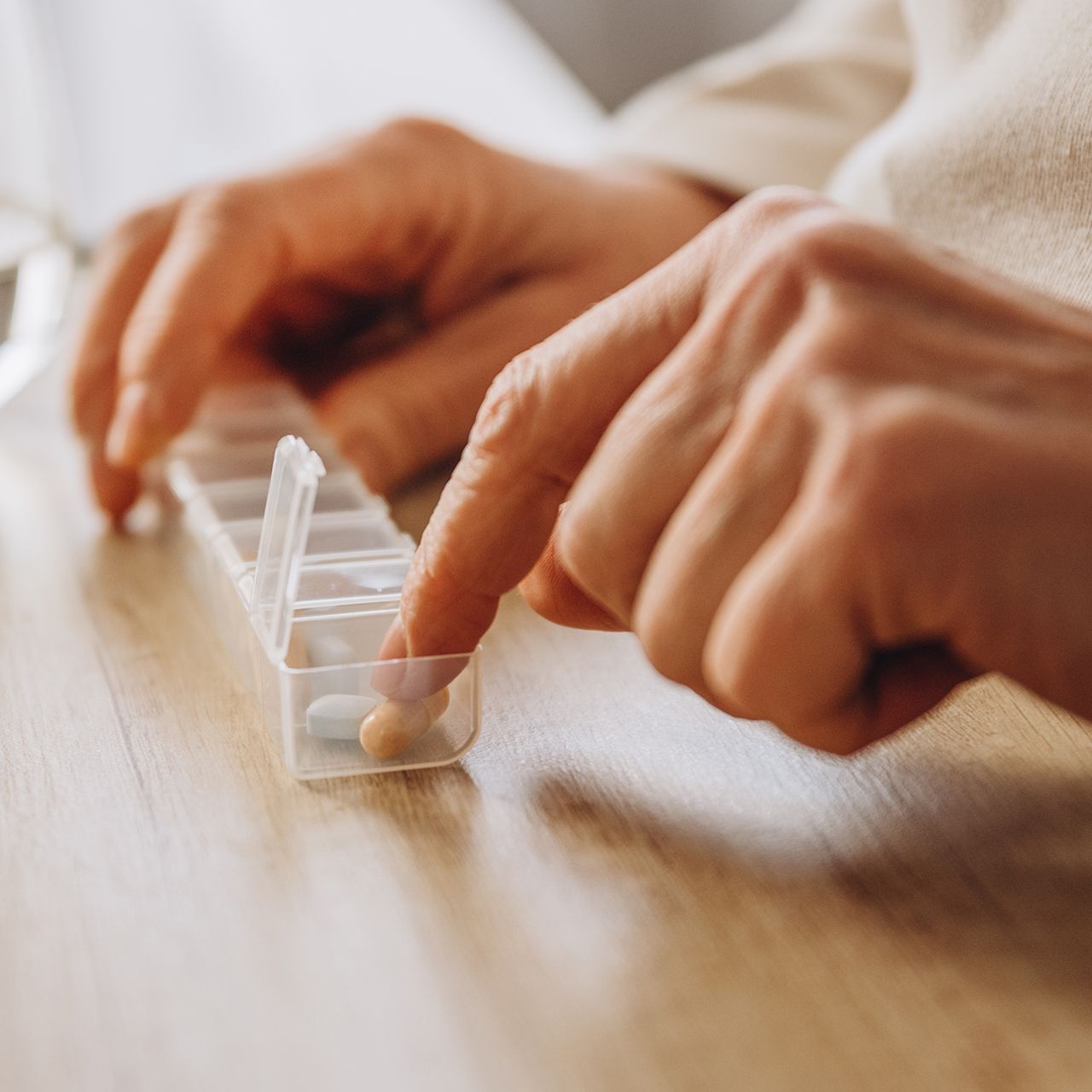





Anxiety affects millions of people, so we don’t blame anyone turning to supplements in hopes of finding some natural relief. But there are a lot out there: magnesium powders, trendy adaptogens, even CBD. The wellness market is stacked with products promising calmer moods and less stress—so it’s especially important to know what’s actually worth your money. As it turns out, not every supplement delivers.
“There are many natural remedies that have shown potential to treat mild anxiety,” says Gail Clifford, MD, MMM, CPE, FACP, FHM from Paramount Wellness Retreat. However, she notes it’s important not to assume that natural automatically means safe or effective. While supplements may help some people manage mild symptoms, Clifford emphasizes that they work best alongside proven strategies like therapy, exercise, sleep, and medical care when needed.
Find her recommendations for which supplements can reach for—and which to avoid—below.

Women Are Swapping Their Boring Water For This Ice Pop Electrolyte Mix!

Magnesium Glycinate Can Help
One supplement Clifford recommends for anxiety management is magnesium glycinate. "Deficiency in magnesium has been associated with anxiety disorders, sleep disturbances, and muscle pain/tension," she says. Magnesium glycinate is often considered one of the gentler, more absorbable forms of magnesium, making it a popular option for people looking to support relaxation and sleep quality.
Some people find that supplementing with magnesium glycinate helps them feel calmer, especially if they were previously deficient.

L-Theanine Could Reduce Stress
Another supplement Clifford points to is L-theanine, an amino acid naturally found in tea leaves. "L-Theanine is derived from tea and promotes relaxation without causing significant drowsiness," she explains.
L-theanine has gained popularity for its potential to create a sense of calm while still allowing people to stay alert and focused. Some studies suggest it may help reduce stress responses and support relaxation, particularly during high-pressure situations. Unlike some anti-anxiety remedies that can feel sedating, L-theanine is often favored because it may help ease tension without making users feel overly tired.

Ashwagandha Shows Promise
Adaptogens like ashwagandha have become wellness staples in recent years, and Clifford says there is some emerging evidence supporting its use for stress and anxiety. "Studies using Ashwagandha supplementation reported decreased cortisol levels and improved perceptions of reduced stress," she says.
Still, she stresses that the current research is limited. "Due to limitations of small sample size and duration of study length, additional research will need to be conducted to confirm findings," Clifford notes.
Noted!

Some Supplements May Actually Make Anxiety Worse
Not every supplement marketed for energy, fitness, or wellness is helpful for anxiety sufferers. In fact, Clifford warns that several popular products may intensify symptoms.
"Caffeine-containing products (in excess), fat-burning products with stimulants, high doses of pre-workout supplements, and certain energy supplements can lead to increased heart rate, feelings of jitters, and panic attacks," she says.
One major issue with supplements, according to Clifford, is the lack of regulation in the industry. "There is no regulation surrounding the production of dietary supplements," she says. "Different manufacturers utilize different formulas."
Because of this, product quality and ingredient consistency can vary widely between brands. Clifford advises consumers to keep things simple. "I always recommend patients begin with a single product, utilizing evidence-based dosing recommendations and avoiding mixing supplements with sedative medications or consuming them while intoxicated without consulting their healthcare provider first," she says.
She also cautions against relying on supplements alone for long periods without seeking professional support. "In my experience, the most common error is that patients continue to self-medicate with supplements alone for several months before seeking proper evaluation for their severe anxiety," Clifford concludes. "Patients should always discuss their health concerns, in addition to supplements, with their healthcare provider."