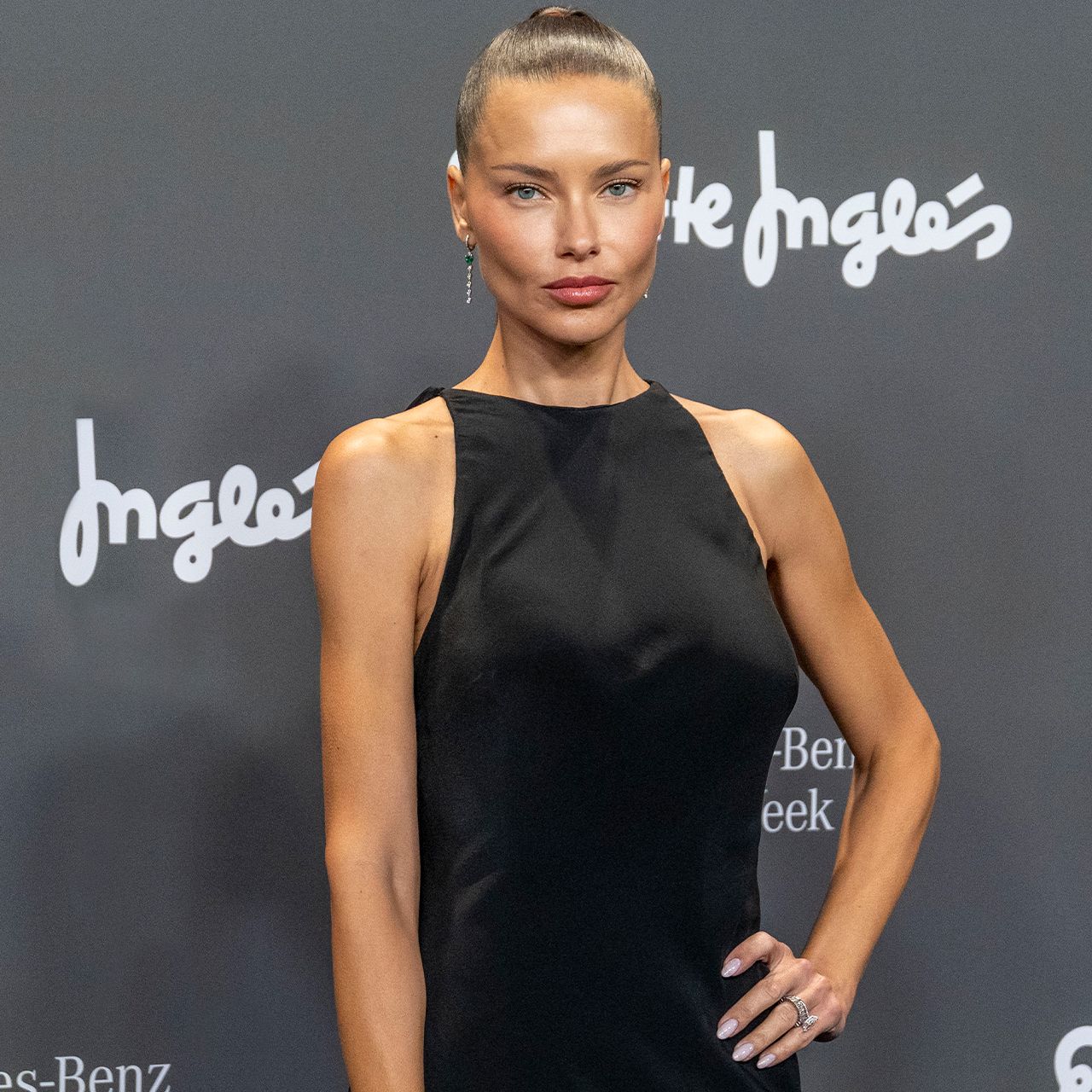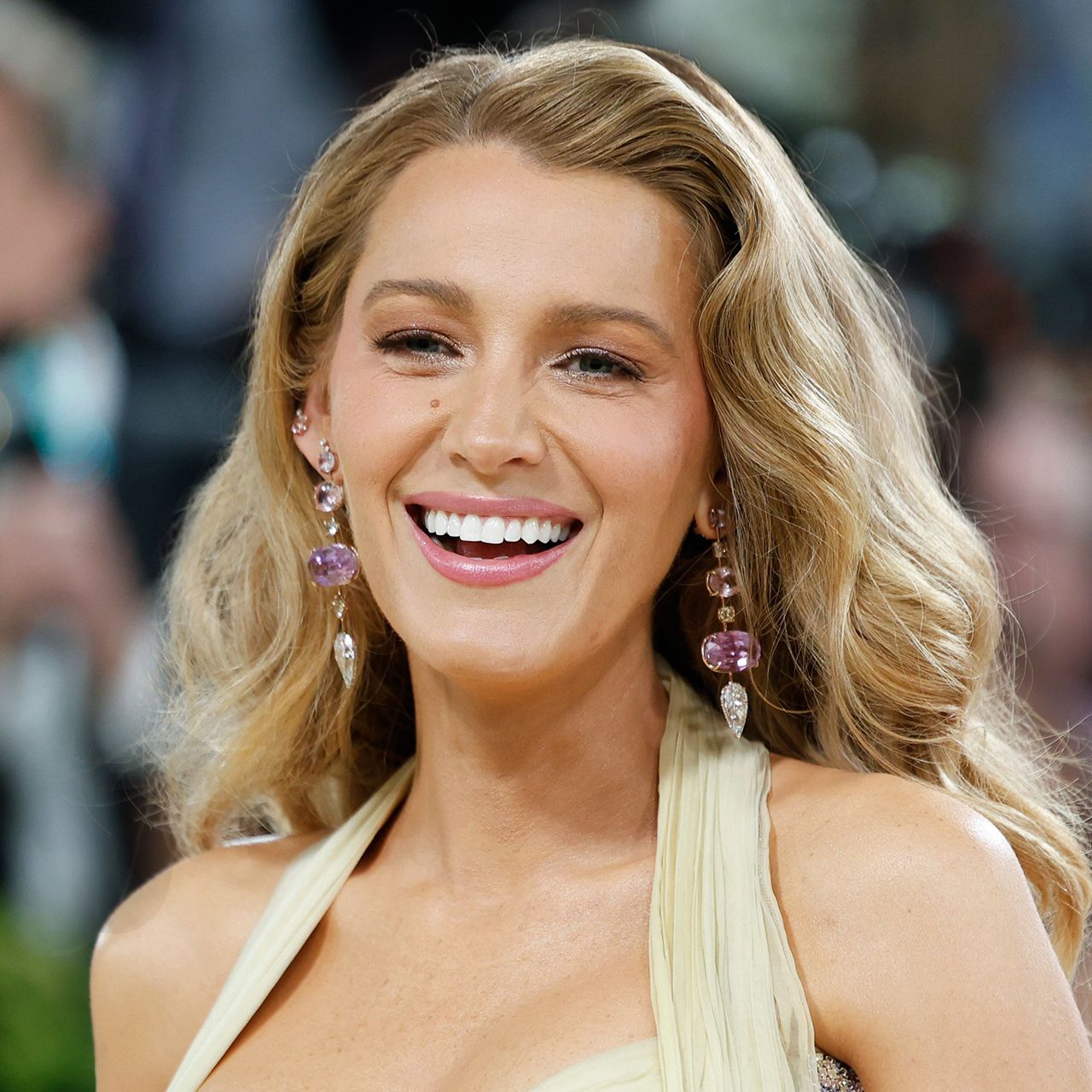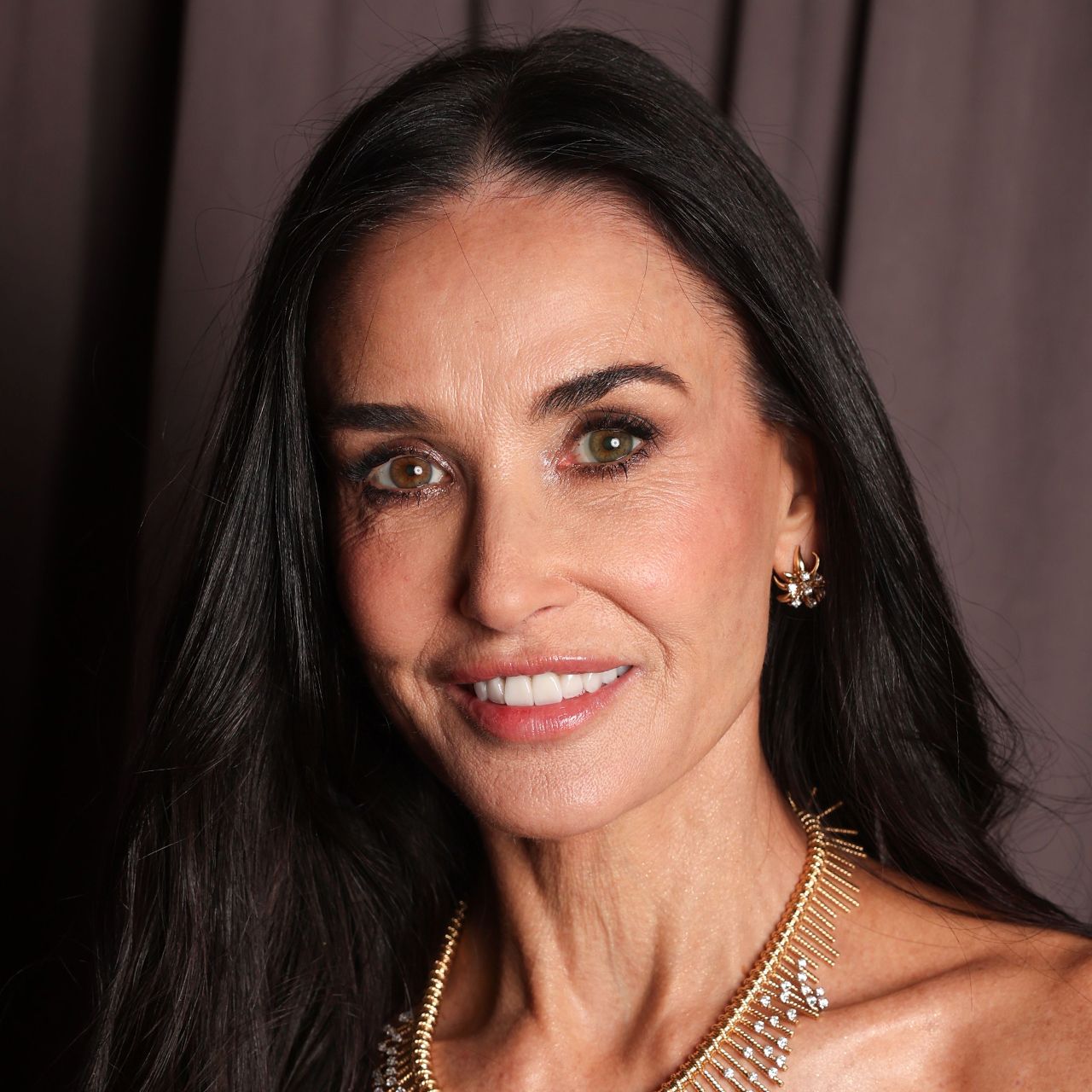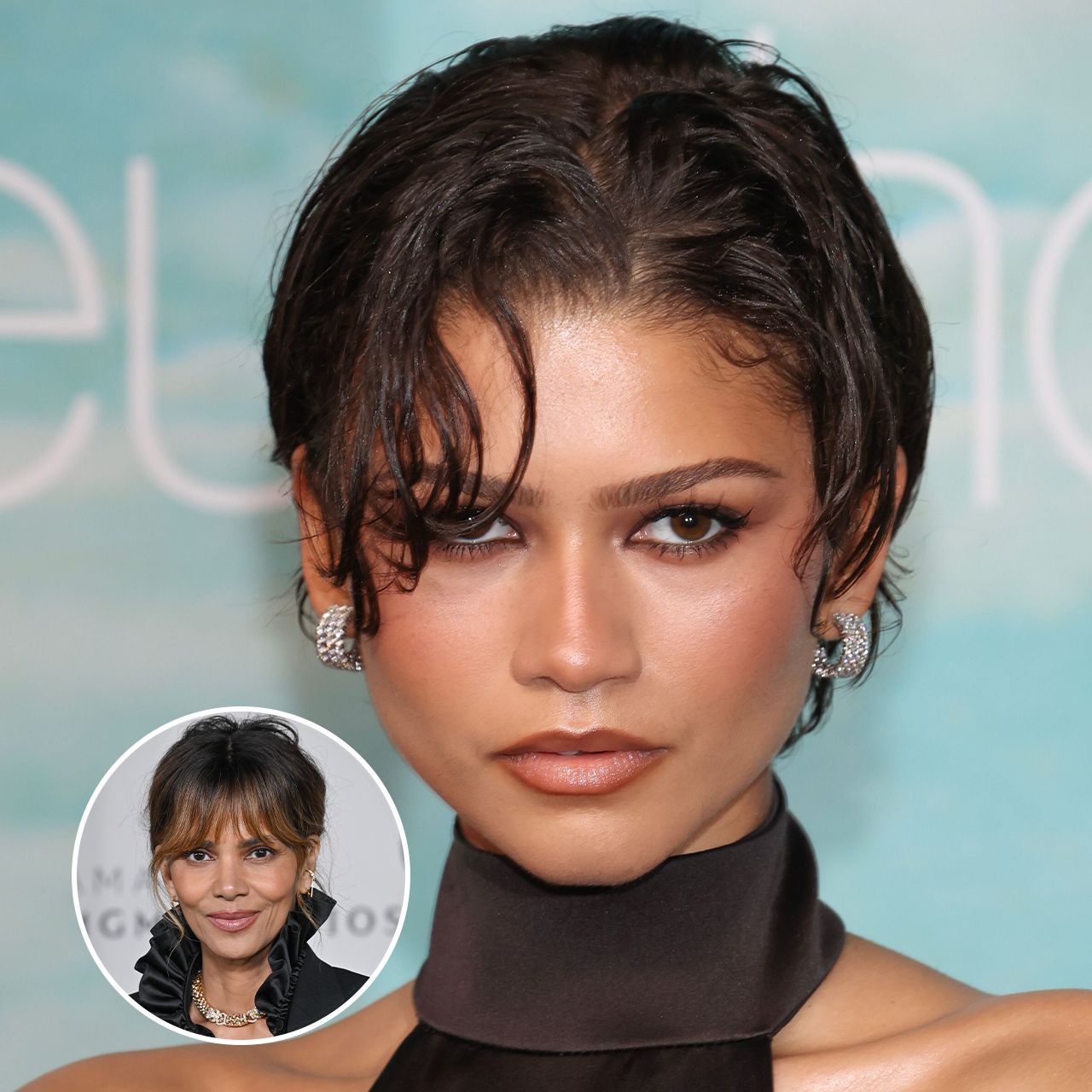


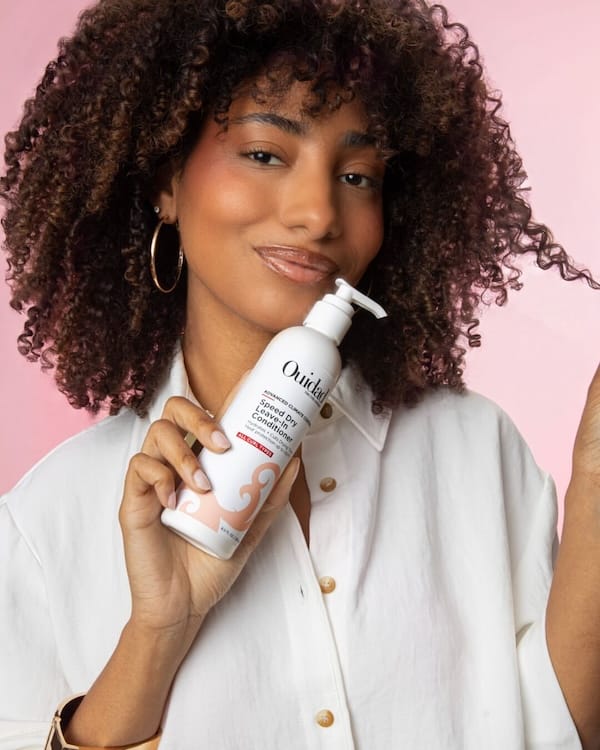

Hair color is one of the most transformative beauty choices you can make. The right shade is one that harmonizes with your skin tone and undertone, and can brighten your complexion, soften fine lines, and make your eyes appear more vibrant. A flattering color enhances what’s already there, reflecting light in all the right places and giving your overall look a healthy glow. Thoughtful color placement is especially crucial after 40, when skin tone and contrast can change.
But hair color is also where it’s easy to go wrong. Shades that are too dark, too flat, too ashy, or overly brassy can exaggerate dullness, emphasize texture, and age the face. What worked in your 20s may not have the same effect now, and that’s completely normal. The key is choosing tones that complement your current coloring and lifestyle. Here are six hair colors that can be aging after 40, and three radiant alternatives that can instantly refresh and illuminate your look.

Women Are Swapping Their Boring Water For This Ice Pop Electrolyte Mix!

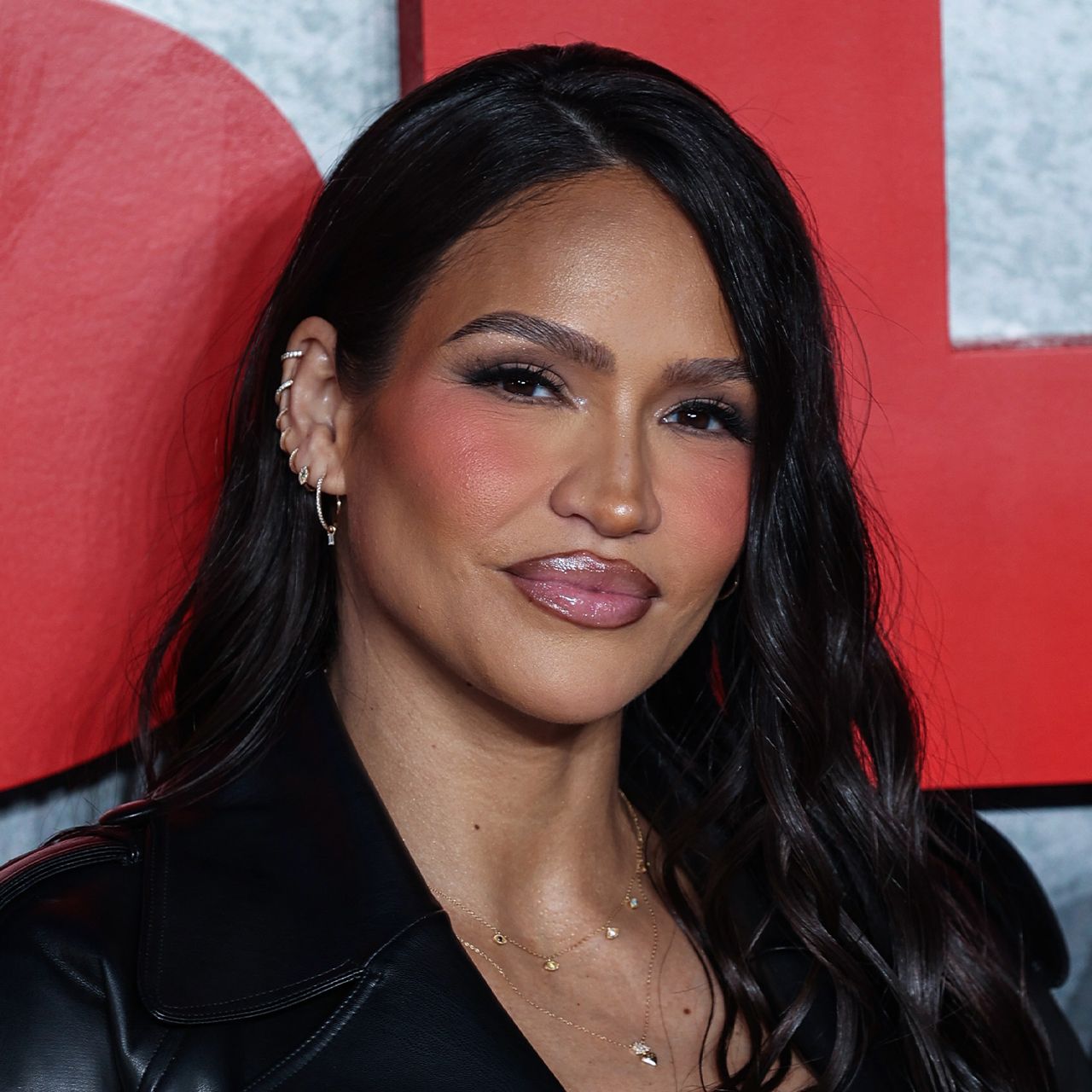
1. Jet Black
Jet black can be harsh against mature skin, especially as natural contrast between hair, brows, and complexion softens with age. The inky depth can emphasize fine lines, shadows, and under-eye darkness, creating shadows around the face. Unless it’s your natural shade, this ultra-dark tone often looks flat and one-dimensional, which can feel severe rather than luminous.

2. Ashy Blonde
Ashy blonde tones can drain warmth from the skin, particularly if your undertones lean golden, peachy, or neutral. The cool, grayish cast may exaggerate sallowness or dullness and make the complexion appear tired. Without enough dimension or brightness, ashy shades can look flat instead of fresh.

3. Platinum Blonde
While it's definitely striking, platinum blonde can be difficult to pull off after 40 because it often requires heavy lightening that leaves hair dry and fragile. The icy tone can also highlight skin texture and redness, especially if it clashes with your natural undertone. Without softness at the root or lowlights for depth, platinum can appear stark and overly processed.

4. Burgundy
Burgundy’s deep red-violet pigments can compete with the skin rather than complement it, while drawing attention to redness or uneven tone. Dark, wine-inspired shades may also cast shadows around the mouth and jawline. Instead of adding vibrancy, burgundy can sometimes feel overpowering and aging if it's not carefully balanced.

5. Brassy Blonde
Brassy blonde, with its strong yellow or orange undertones, can clash with skin and make the overall appearance look uneven. Too much warmth can exaggerate redness and make teeth appear less bright. Instead of delivering a sun-kissed glow, brassy tones often look like poorly maintained color, which can age the face.

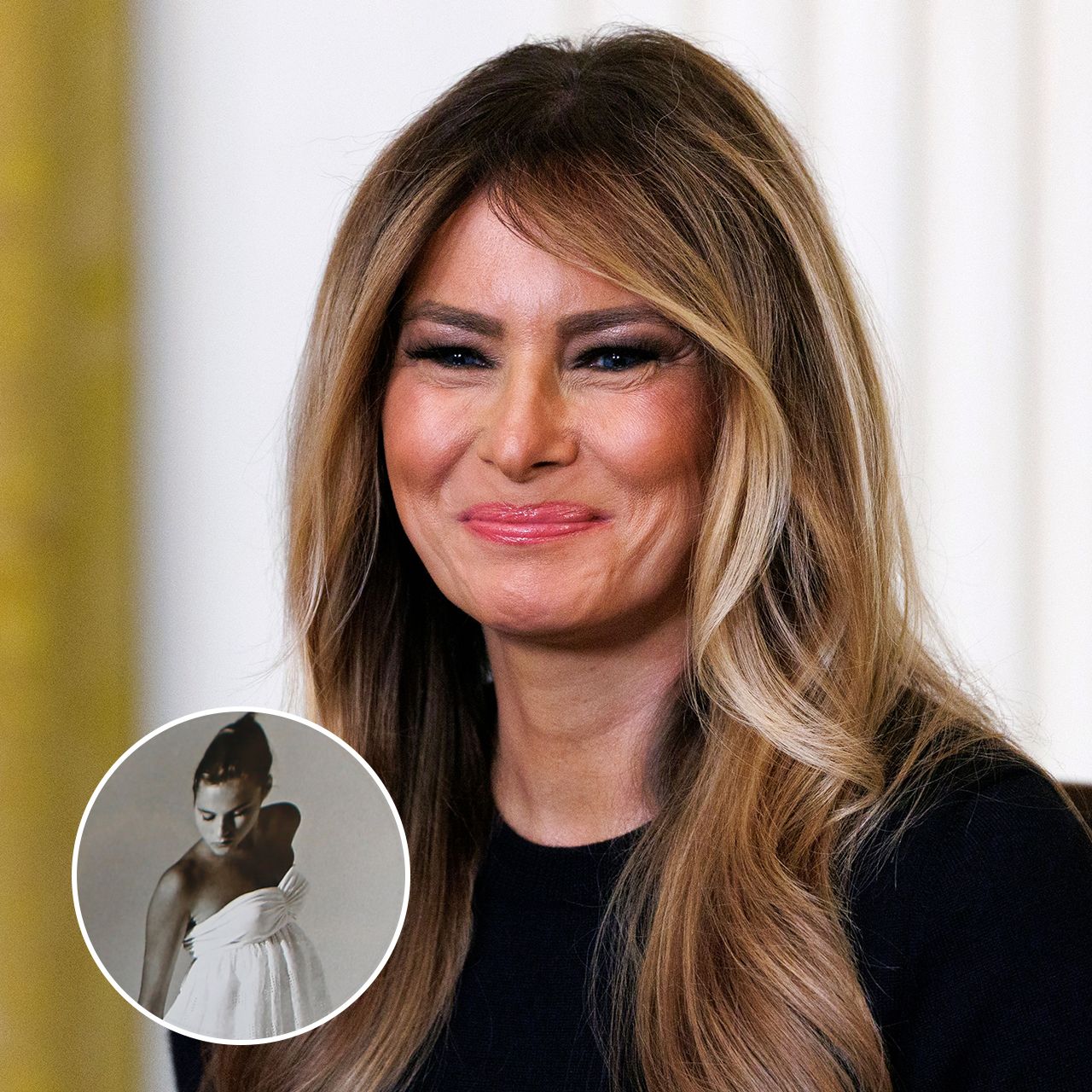
6. Mousy Brown
Mousy brown is that in-between, low-contrast brown that often lacks the warmth or dimension needed to enliven mature skin. Because it sits in a muted, neutral space, it can blend into the complexion rather than frame it, resulting in a washed-out look. Without highlights and a variation in tone, this shade may feel dull rather than polished.

7. Flattering: Honey Blonde
Honey blonde adds warmth and softness that can instantly brighten mature skin. Its golden undertones reflect light beautifully, helping the complexion look healthier and more radiant without feeling harsh or overprocessed.

8. Flattering: Brown Hair With Highlights
Rich brown hair with subtle highlights creates dimension and movement, which keeps the color from looking flat. The lighter pieces around the face can gently lift and illuminate features, making the overall look fresher and more youthful.

9. Flattering: Soft Copper
Soft copper brings a natural-looking warmth that enhances glow and adds vibrancy to the skin. When kept muted and blended, it delivers brightness and personality without overwhelming delicate features.