



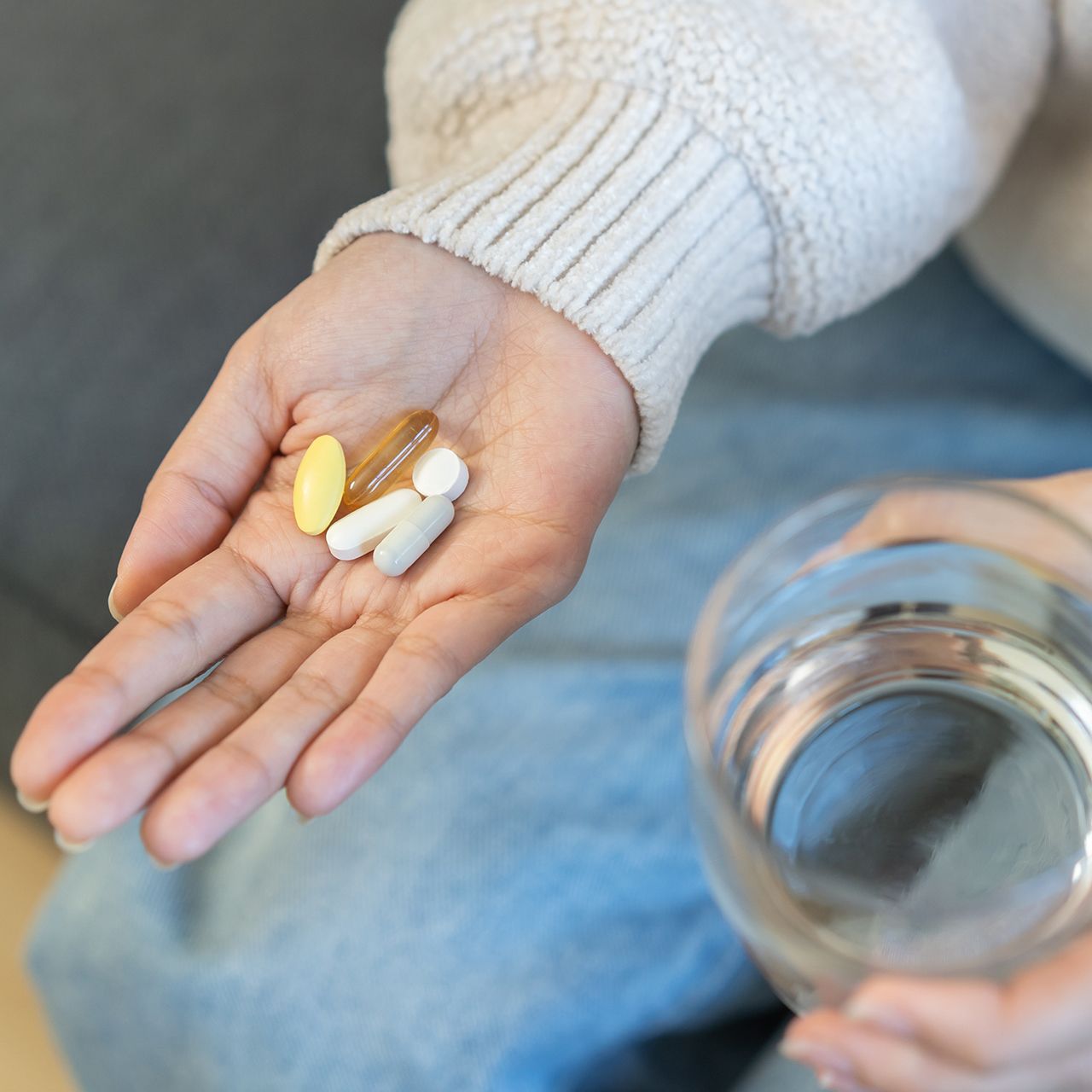
This article alone should not be taken as health advice. Speak to your doctor for the best personalized health plan to suit your unique needs and lifestyle.
Supplements can be a great way to give your health a boost, especially if you’re battling a specific nutrient deficiency or have a targeted need like better sleep or sharper focus. However, it’s important to be aware of the risks at hand. As it turns out, many supplements out there aren’t as effective as marketing may suggest. And beyond that, a lot of options are downright dangerous. If you’re not careful, your supplement lineup could post a risk to your liver, heart, and more.
We spoke to experts to learn about a few particularly risky options. From buzzy supplements like red yeast rice to popular choices like melatonin, read on to learn about a few potentially dangerous options you may not be aware of.

Women Are Swapping Their Boring Water For This Ice Pop Electrolyte Mix!
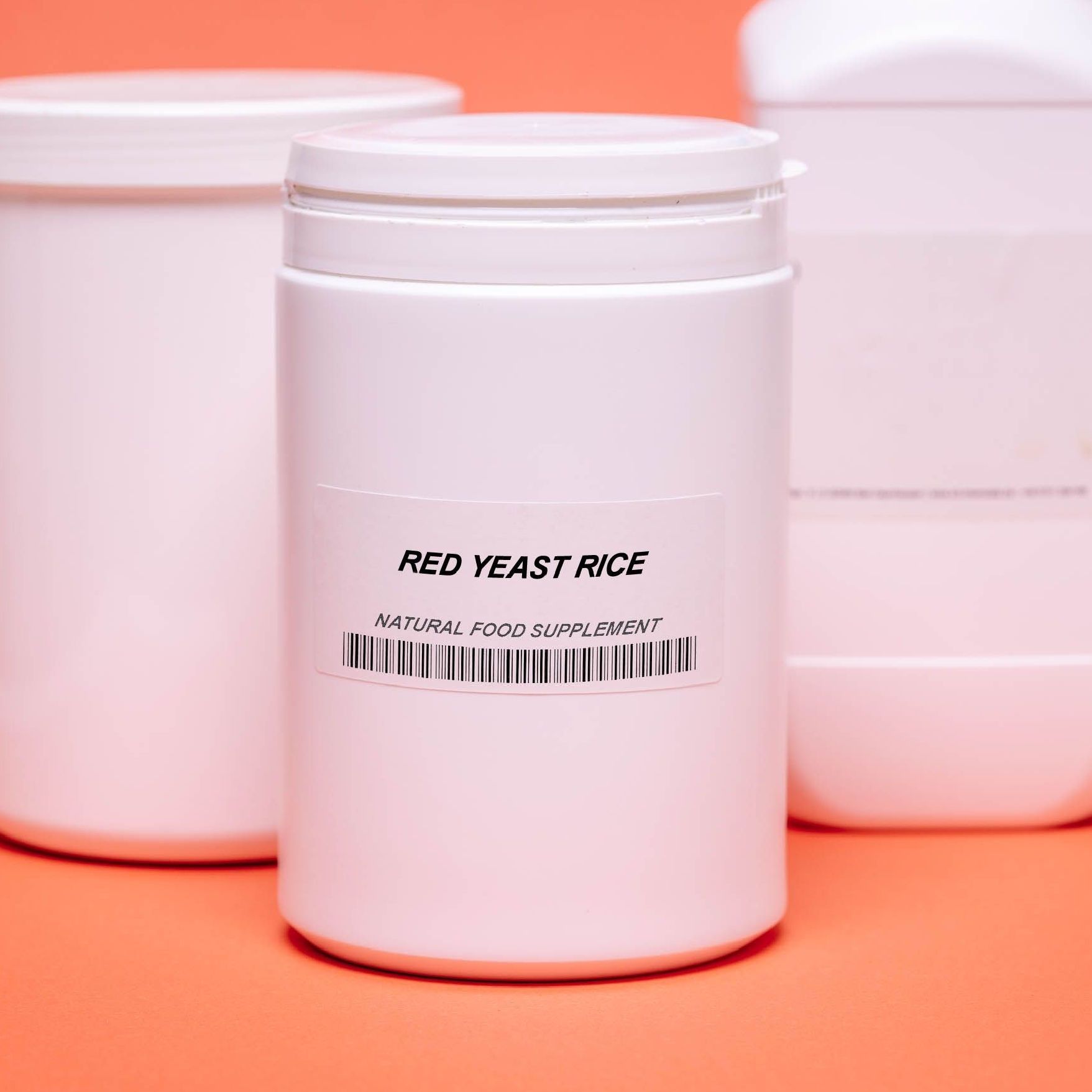
1. Red yeast rice
Red yeast rice is a popular natural supplement used to lower cholesterol, but it comes with hidden risks that many people may not be aware of.
"Red yeast rice is marketed as a cholesterol-lowering supplement, but its active ingredient, monacolin K, which helps reduce cholesterol, can increase the risk of liver, muscle, and kidney damage. Additionally, the dosage of this active ingredient is often not clearly disclosed on supplement labels," Michelle Routhenstein, Cardiology Dietitian at Entirely Nourished warns.
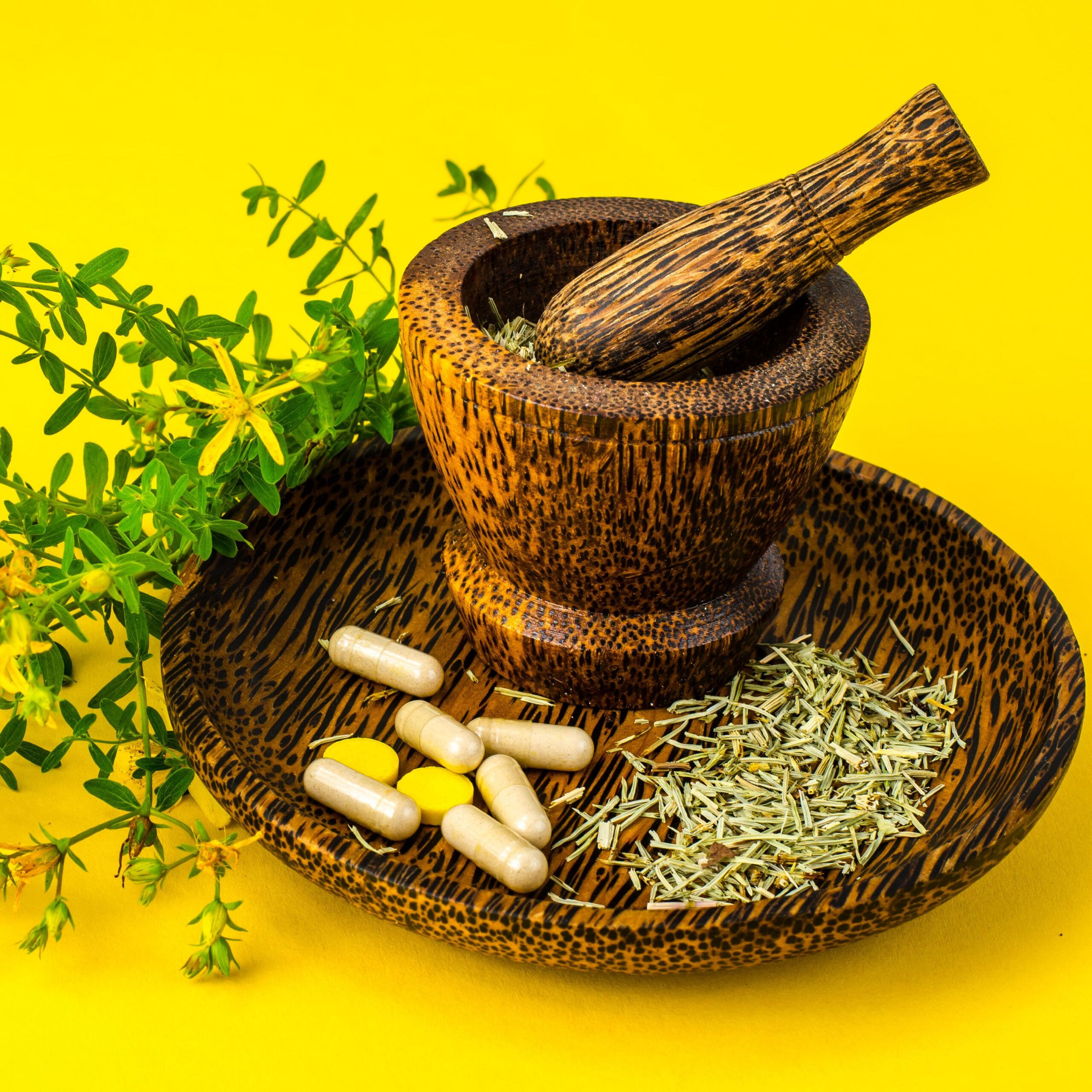
2. St. John’s Wort
St. John’s Wort is a popular herbal supplement often used for mood support and depression, but comes with hidden risks that can cause complications such as reducing the effectiveness of birth control pills, increasing chances of blood clots, and even stroke.
"Often used for mood support, but it can mess with medications like birth control and antidepressants. Supplements like St. John’s Wort can affect serotonin levels, potentially leading to heart rhythm issues," Janelle Salo, RN, Holistic Health and Wellness Writer, says.
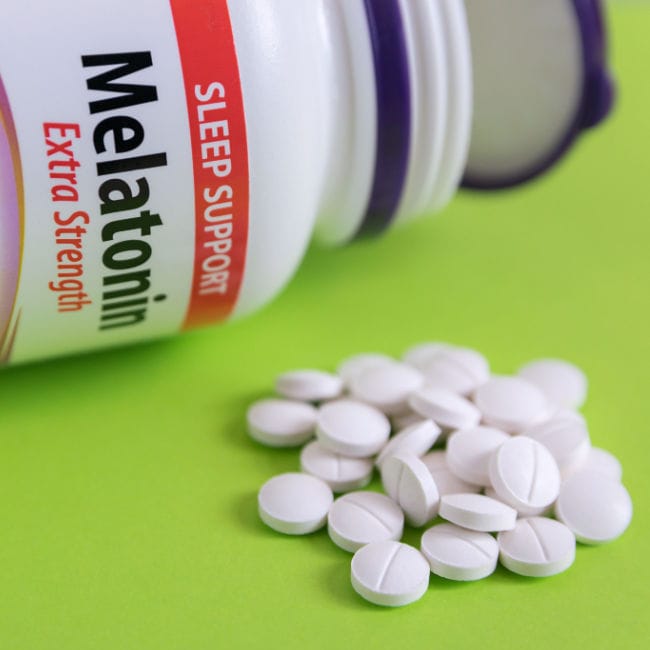
3. Melatonin
Melatonin is a popular supplement for sleep and jet lag, but it can actually disrupt natural sleep cycles when taken too frequently or at the wrong times, mess with your hormones, cause drowsiness, and even interact with other medications.
This "helps with sleep, but too much can throw off your natural sleep cycle and cause grogginess and heart irregularity. High doses of melatonin may also cause irregular heartbeats or arrhythmias in some people," Salo warns.