




Keeping your heart healthy involves more than just exercising regularly. The everyday choices you make about what you eat and drink can also have a significant impact on your cholesterol levels and your long-term risk of cardiovascular disease. While some foods and habits may seem harmless in moderation, making them part of your daily routine could contribute to high cholesterol, elevated triglycerides, and other risk factors for heart disease.
According to health experts, several common dietary mistakes can gradually take a toll on your cardiovascular health. From eating too many foods high in unhealthy fats to consuming excessive amounts of sugar and alcohol, these habits can affect the balance of fats in your blood and increase your risk of complications over time. The good news is that recognizing these mistakes and making healthier choices can help you better protect your heart.

Women Are Swapping Their Boring Water For This Ice Pop Electrolyte Mix!

1. Eating high-fat foods
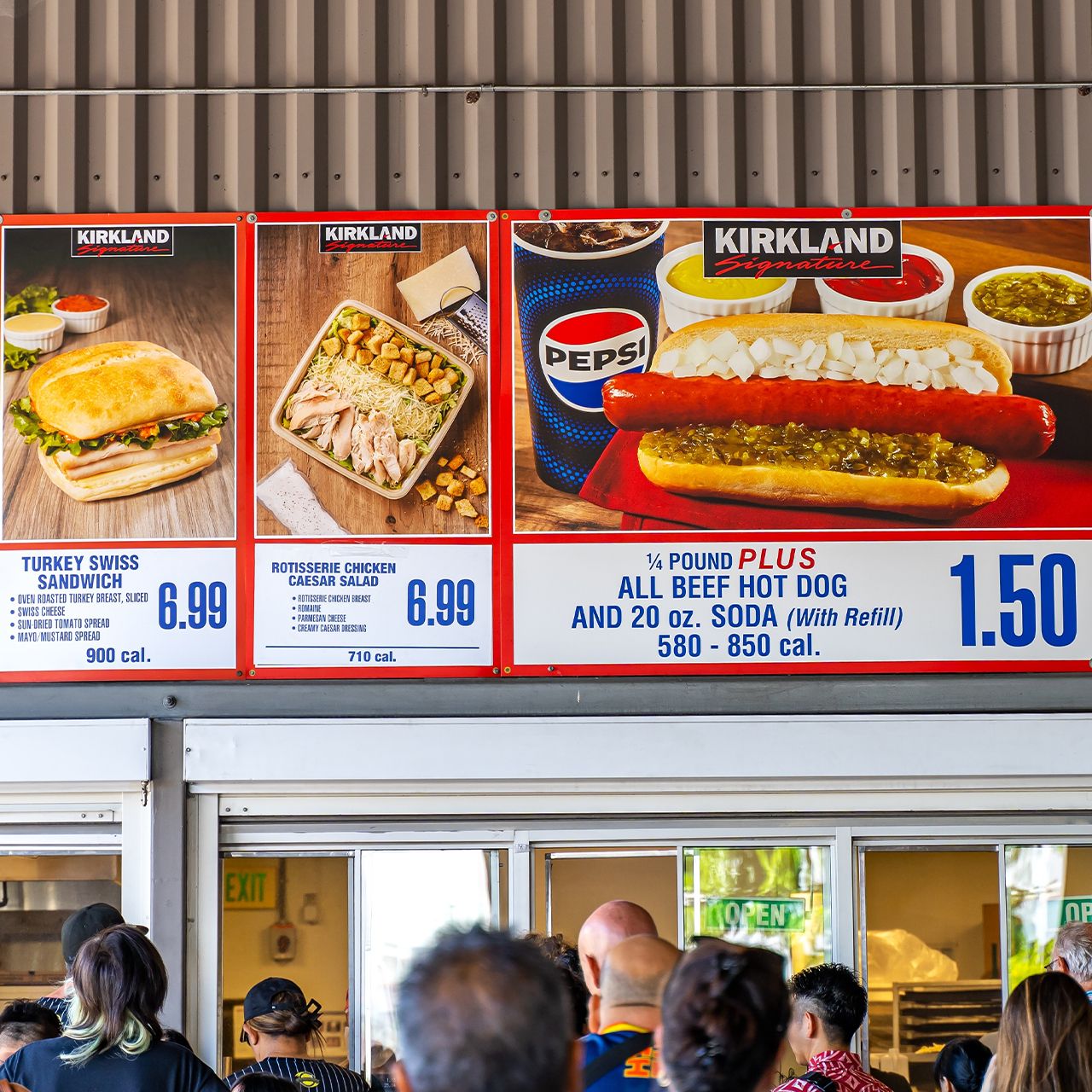
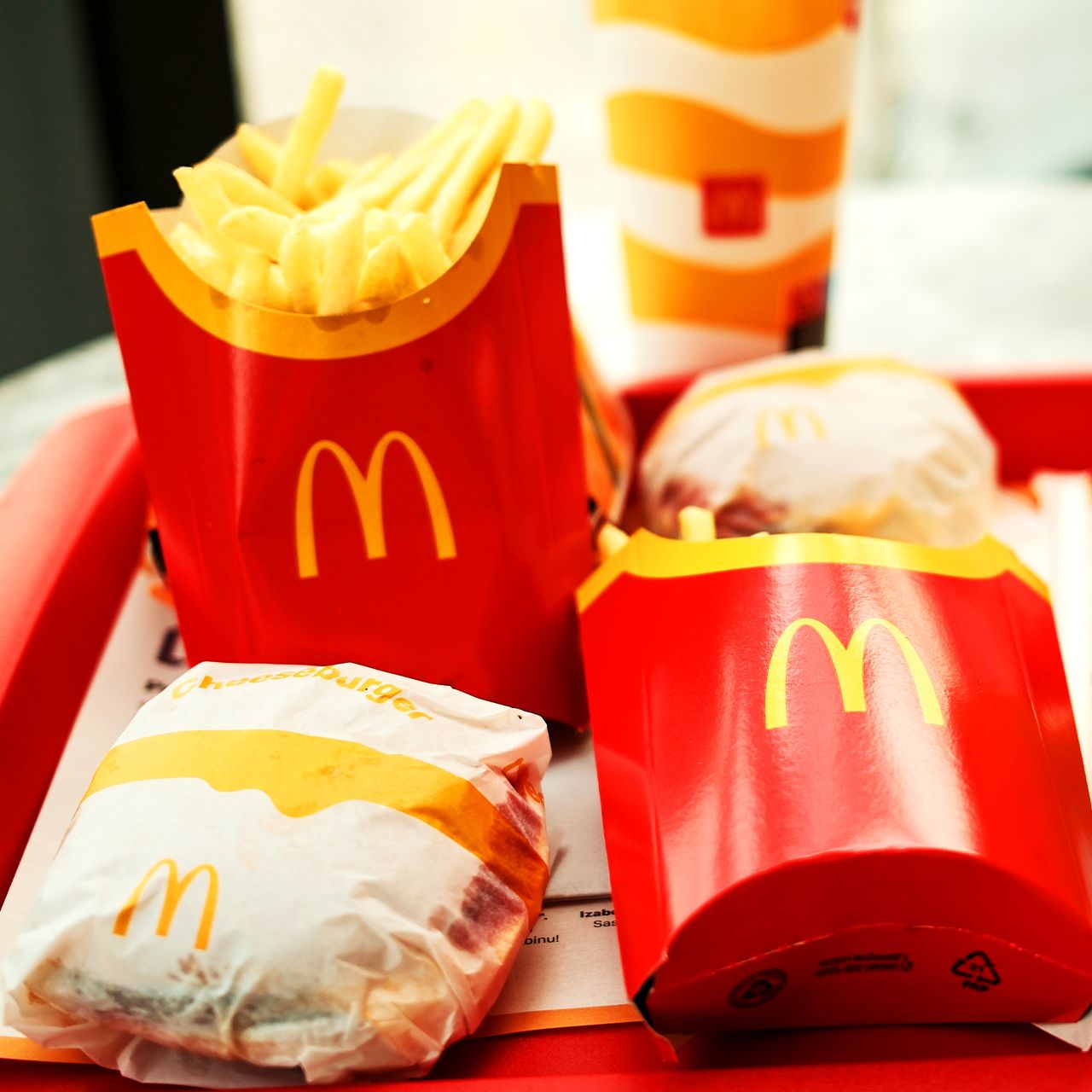
Whether you're starting your day with a greasy bacon egg and cheese, chowing down on potato chips all afternoon, or picking up a bucket of fried chicken for dinner, it can be hard to resist the pull of fatty foods. However, nutritionist and certified trainer Mary Sabat warns that making this a habit is one of the worst things you can do for your cholesterol levels.
"Consuming foods high in saturated and trans fats can lead to elevated cholesterol levels," she says. She notes that things like fried foods, processed snacks, fatty cuts of meat, and full-fat dairy can increase the levels of LDL (low-density lipoprotein) cholesterol—a.k.a. "bad cholesterol."
In addition to making healthy decisions when you cook at home, Sabat urges us to be wary of what we order at restaurants: "Eating out in restaurants, frequently people don't realize how unhealthy the oils are that are used in most foods. They can easily be fooled into thinking they are eating healthy when in fact the food is full of inflammatory fats which raise cholesterol," she warns. That means you should stay away from those fried appetizers.

2. Indulging in sugary foods
Tthere's another type of food to steer clear of if you want to maintain healthy cholesterol levels: sweet treats. Consuming too much sugar can lead to a myriad of health risks. According to Sabat, that can ultimately include higher cholesterol.
"While sugar itself may not directly cause high cholesterol, it can contribute to elevated triglyceride levels, which are associated with an increased risk of heart disease," she warns. "High sugar intake is often linked to a diet that is low in essential nutrients and high in calories, leading to weight gain and an unfavorable lipid profile."

3. Excessive Alcohol Consumption
While many can agree that enjoying a cocktail or a bottle of beer can be a pleasure from time to time, it's important to remember that excessive alcohol consumption can pose a serious risk to your health. In addition to speeding up physical signs of aging, it may also put you at a higher risk of heart disease.
"Heavy drinking can lead to high blood pressure, irregular heartbeats, and increased levels of triglycerides (a type of fat in the blood)," Sabat says. "As people age, their bodies may become less efficient at processing alcohol, making excessive consumption even more harmful to the heart and cardiovascular system."
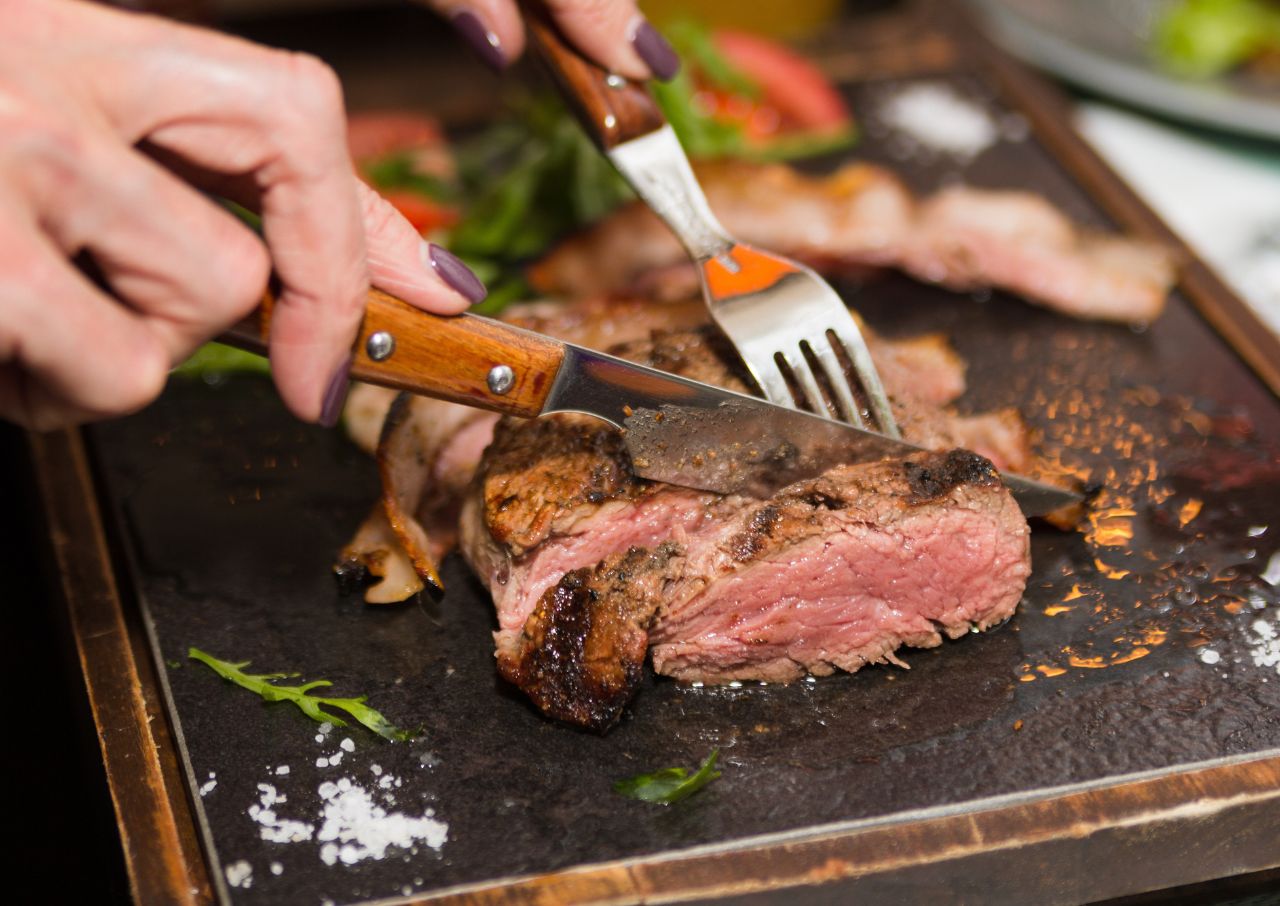
4. Too Much Red and Processed Meat
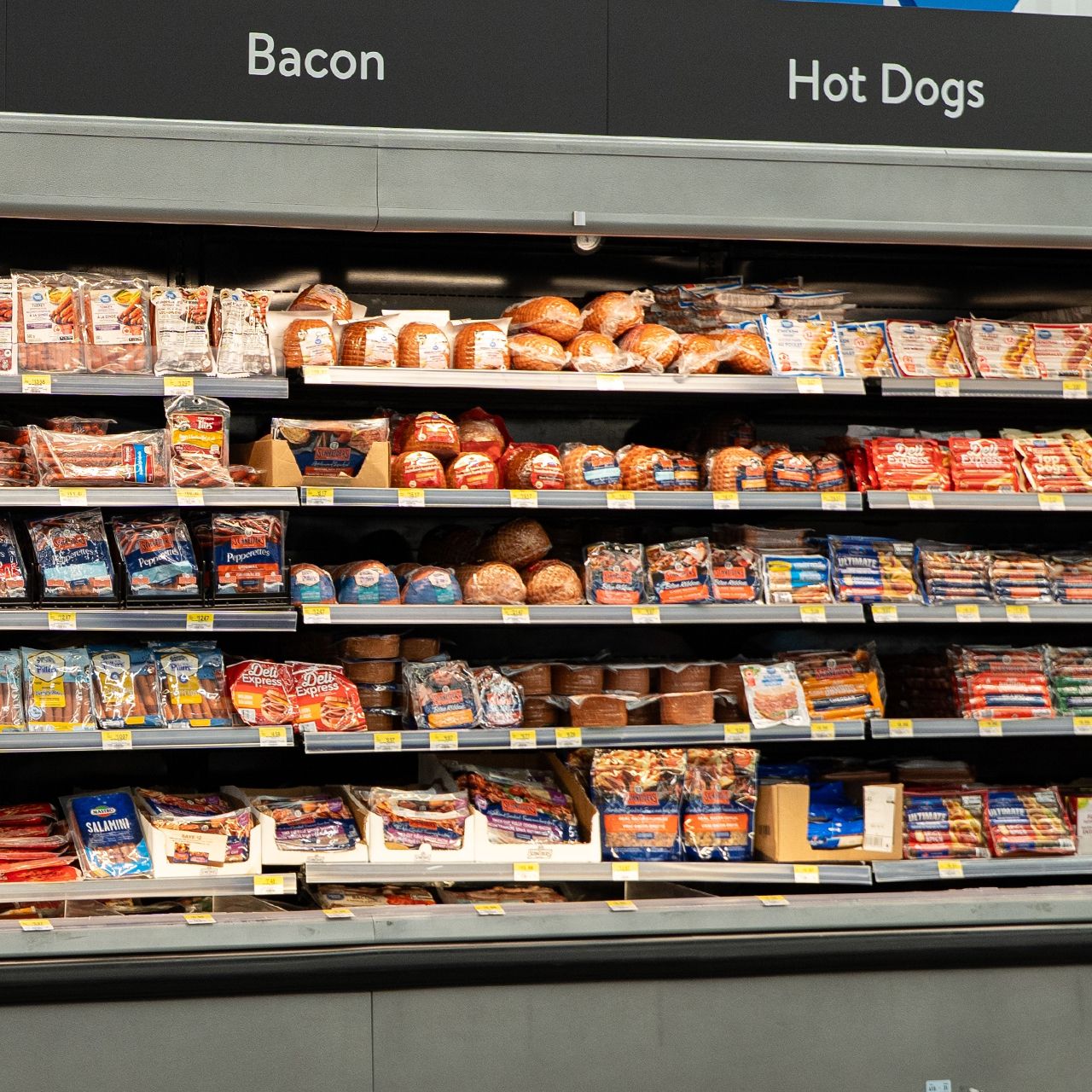
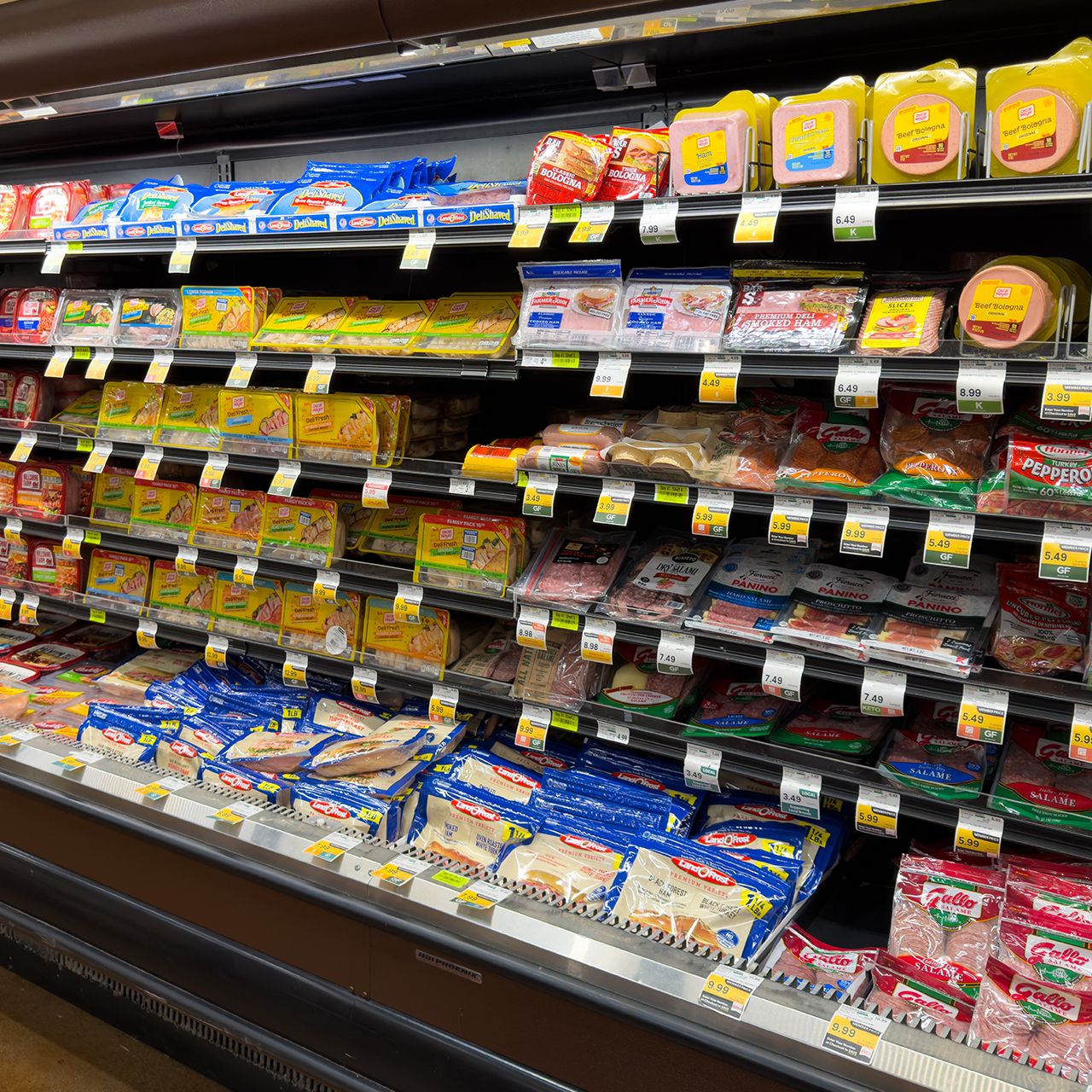
Who doesn't love eating a juicy burger or a beef-packed burrito? How about a salami sandwich or some beef jerky? Unfortunately for those of us who love the taste of these foods, eating too much red meat and processed meats can clog your arteries and put you at risk of heart disease over time.
"Consumption of both red meat and processed meats has shown a consistent relationship across multiple studies with increased risks of heart disease, cancer and diabetes—with the extent of increased risk varying with the amount of red meat eaten," Dr. Nick West, a cardiologist and Chief Medical Officer & DVP of Global Medical Affairs of Abbott’s vascular business, tells us.
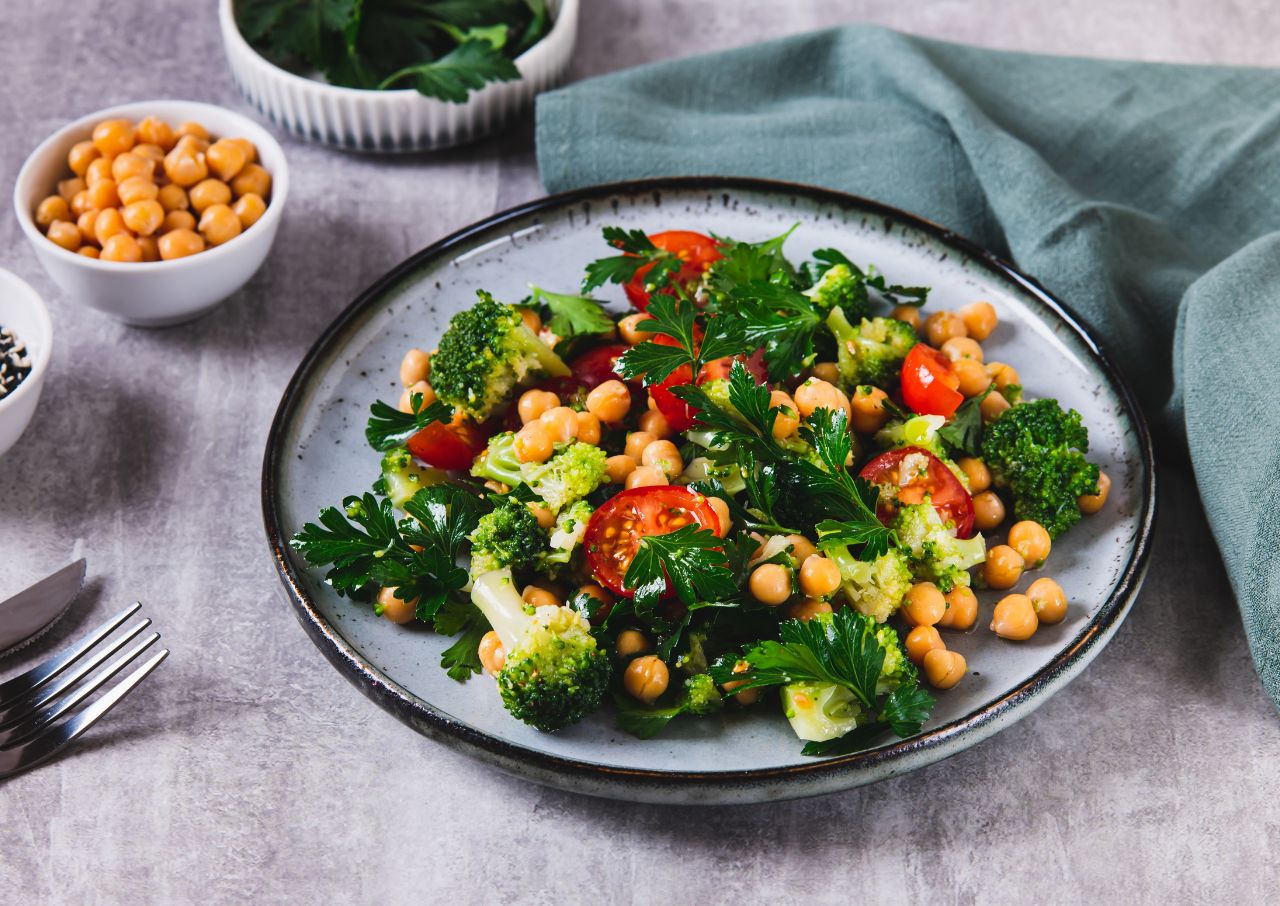
5. Not Getting Enough Fiber
If your diet is heavy on processed foods, red meat, and sugary snacks but light on fruits, vegetables, whole grains, and legumes, you may be missing out on an important nutrient for heart health: fiber.
Soluble fiber, in particular, can help lower LDL cholesterol by reducing the amount of cholesterol absorbed into your bloodstream. When you consistently fall short of fiber-rich foods, you may miss an opportunity to support healthier cholesterol levels and reduce your risk of cardiovascular disease over time.
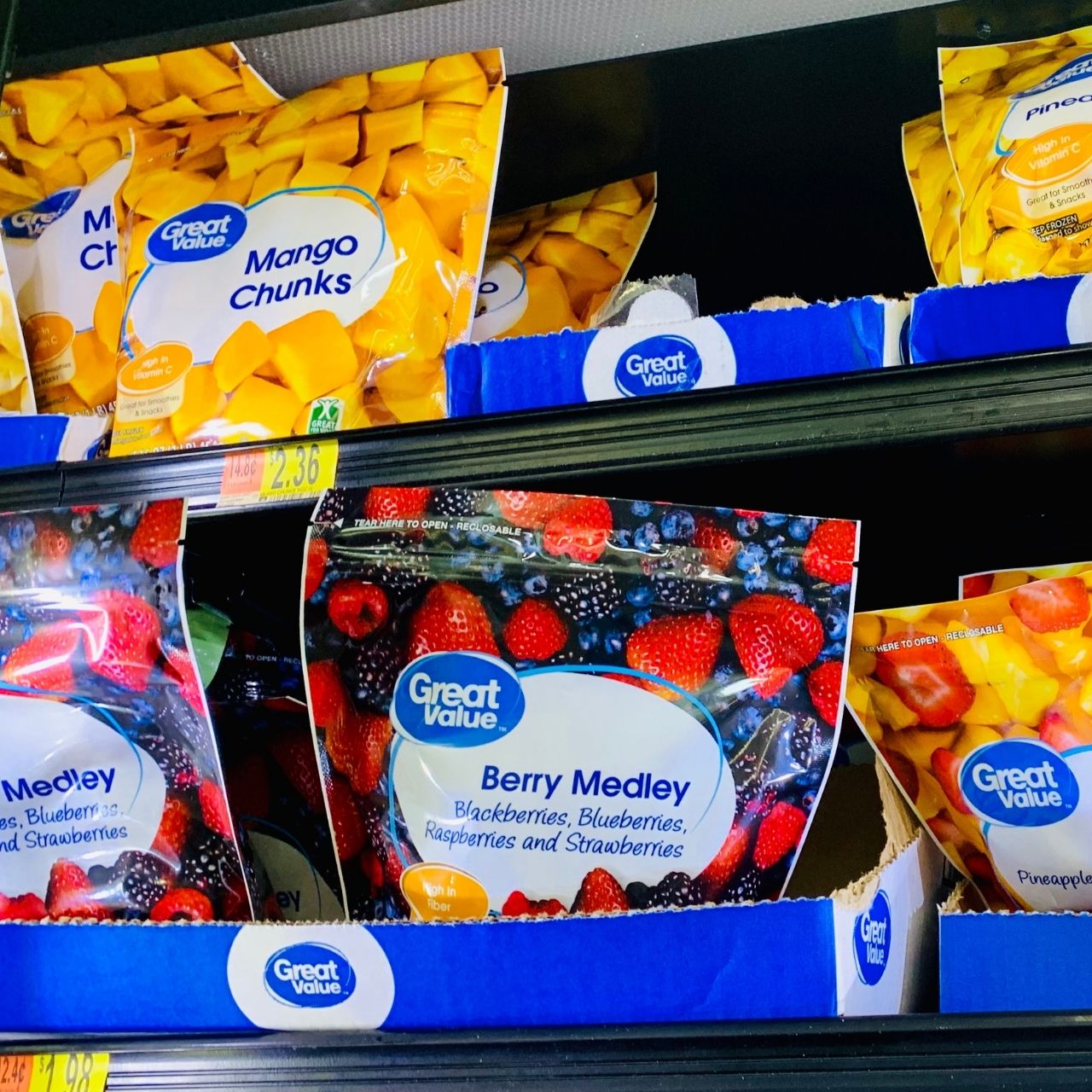
To improve your intake, consider adding foods such as oats, beans, lentils, apples, pears, and vegetables to your daily meals. Choosing whole grains over refined grains and incorporating more plant-based foods into your diet can also help support healthy cholesterol levels.
Although no single dietary change can eliminate the risk of heart disease, eating enough fiber as part of a balanced diet is a practical step toward better long-term cardiovascular health.