



This article alone should not be taken as health advice. Speak to your doctor for the best personalized health plan to suit your unique needs and lifestyle.
Supplements can be a great way to improve your health by filling nutritional gaps left in your diet—but many of them also come with risks. In some cases, taking a certain supplement could put your health and safety on the line rather than improving your wellbeing. It’s important to stay educated on the downsides so that you can make informed choices for your personal health goals, lifestyle, and needs.
From liver damage to heart issues, taking high doses of the wrong supplements could lead to a number of health complications. We spoke to experts to highlight a few culprits that could be especially damaging if not taken with caution and consideration. Find all of their insight and warnings below.

Women Are Swapping Their Boring Water For This Ice Pop Electrolyte Mix!
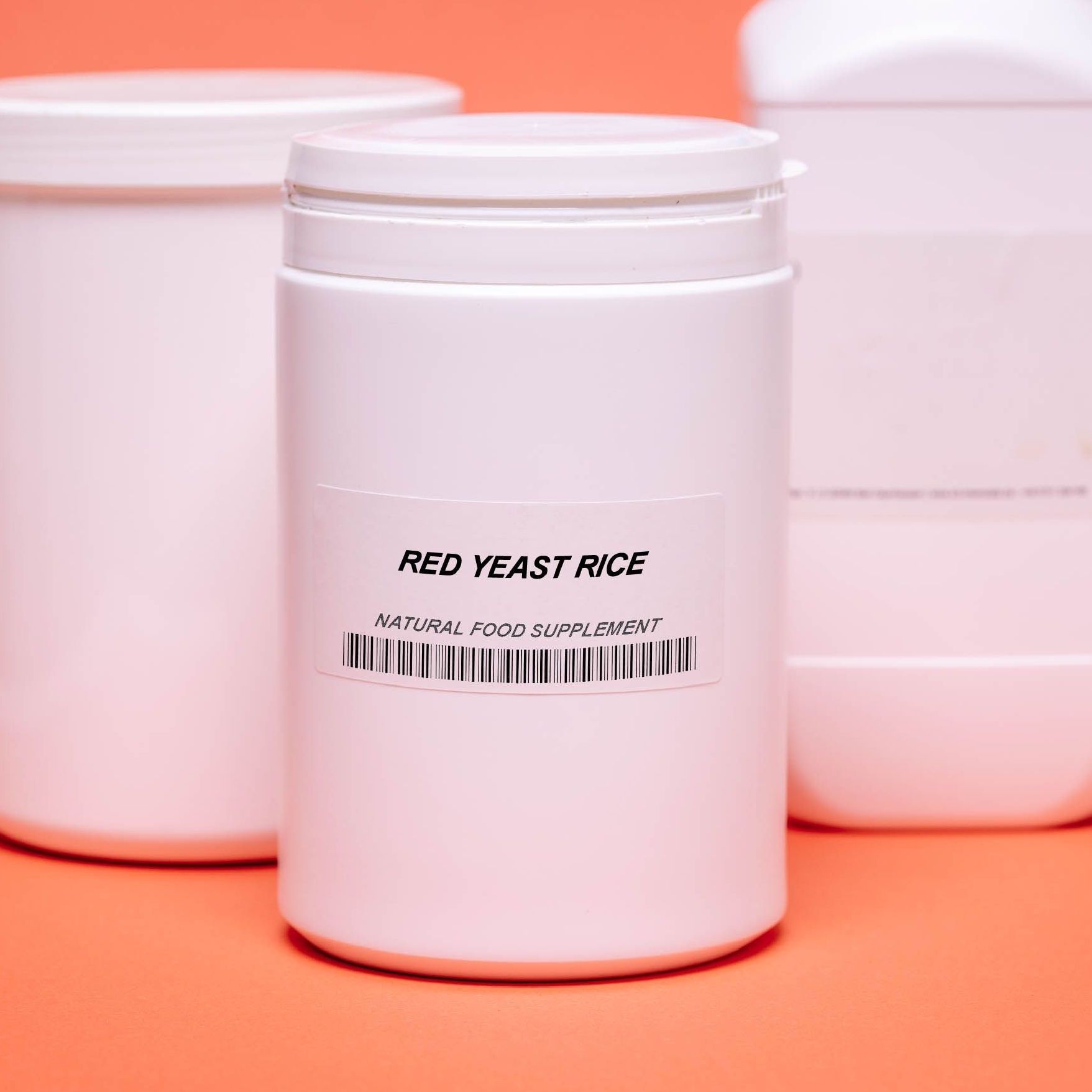
1. Red yeast rice
Red yeast rice is a popular natural supplement used to lower cholesterol, but it comes with hidden risks that many people may not be aware of.
"Red yeast rice is marketed as a cholesterol-lowering supplement, but its active ingredient, monacolin K, which helps reduce cholesterol, can increase the risk of liver, muscle, and kidney damage. Additionally, the dosage of this active ingredient is often not clearly disclosed on supplement labels," Michelle Routhenstein, Cardiology Dietitian at Entirely Nourished warns.
2. Melatonin
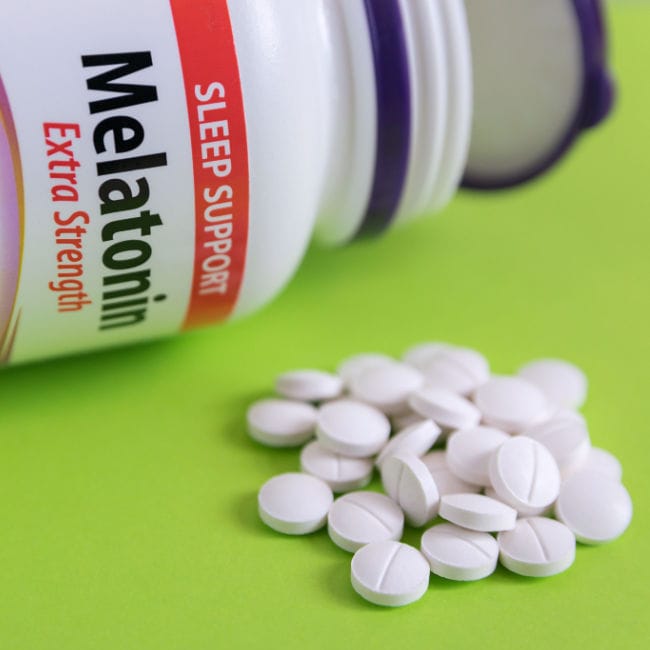
Melatonin is a popular supplement for sleep and jet lag, but it can actually disrupt natural sleep cycles when taken too frequently or at the wrong times, mess with your hormones, cause drowsiness, and even interact with other medications.
This "helps with sleep, but too much can throw off your natural sleep cycle and cause grogginess and heart irregularity. High doses of melatonin may also cause irregular heartbeats or arrhythmias in some people," Janelle Salo, RN, Holistic Health and Wellness Writer, reveals.
3. Vitamin E
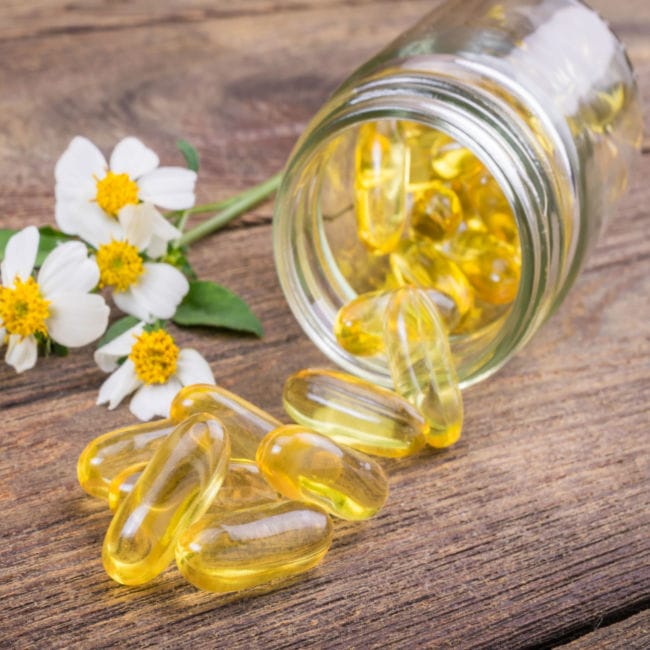
Vitamin E is a natural blood thinner, and excessive intake can interfere with blood clotting, increasing the risk of bruising, nosebleeds, and serious bleeding, especially for those on blood thinners.
"Vitamin E is beneficial as an antioxidant in food; however, high doses in supplements may increase the risk of heart failure and hemorrhagic stroke," says Routhenstein.
4. St. John’s Wort
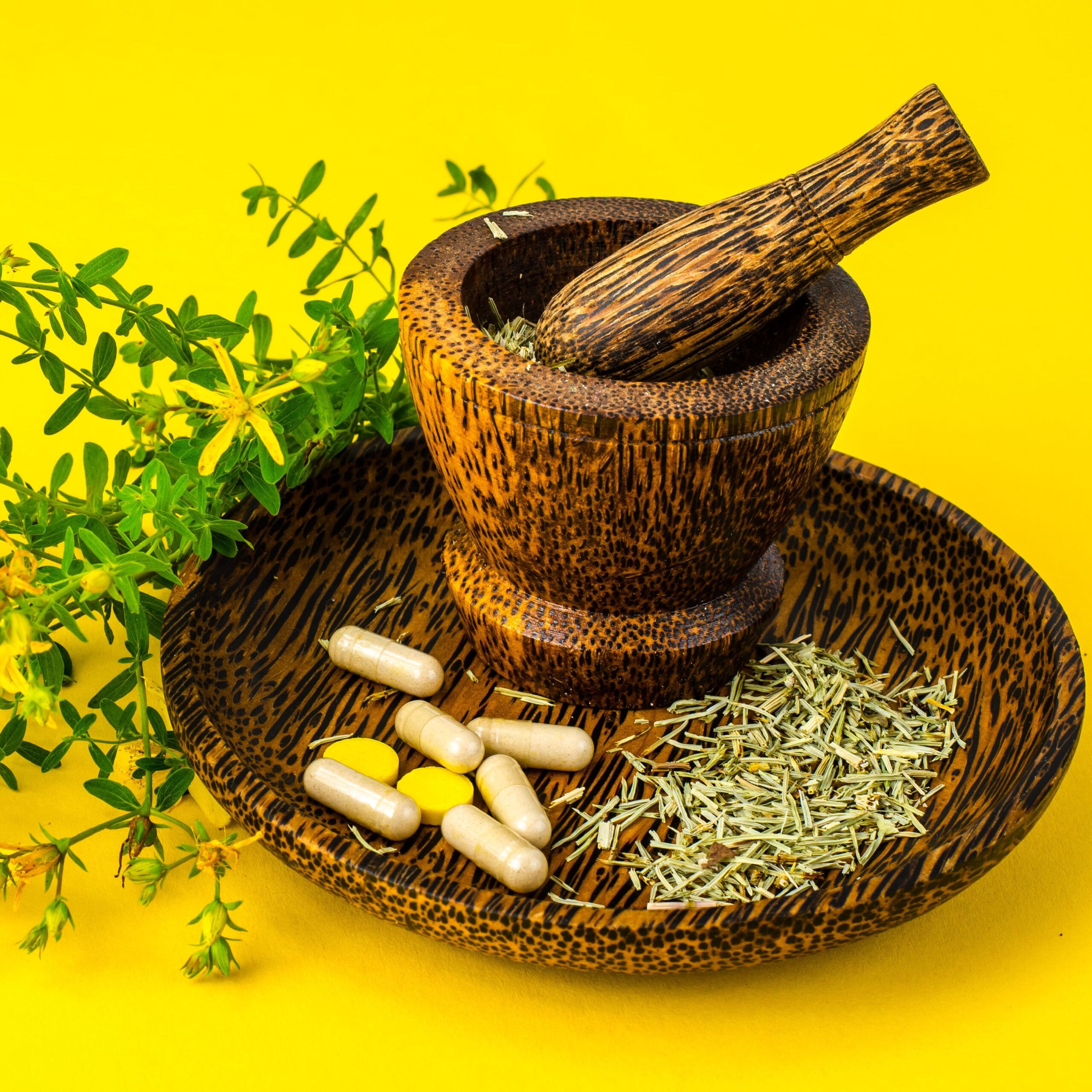
St. John’s Wort is a popular herbal supplement often used for mood support and depression, but comes with hidden risks that can cause complications such as reducing the effectiveness of birth control pills, increasing chances of blood clots, and even stroke.
"Often used for mood support, but it can mess with medications like birth control and antidepressants. Supplements like St. John’s Wort can affect serotonin levels, potentially leading to heart rhythm issues," Salo says.
5. Kava
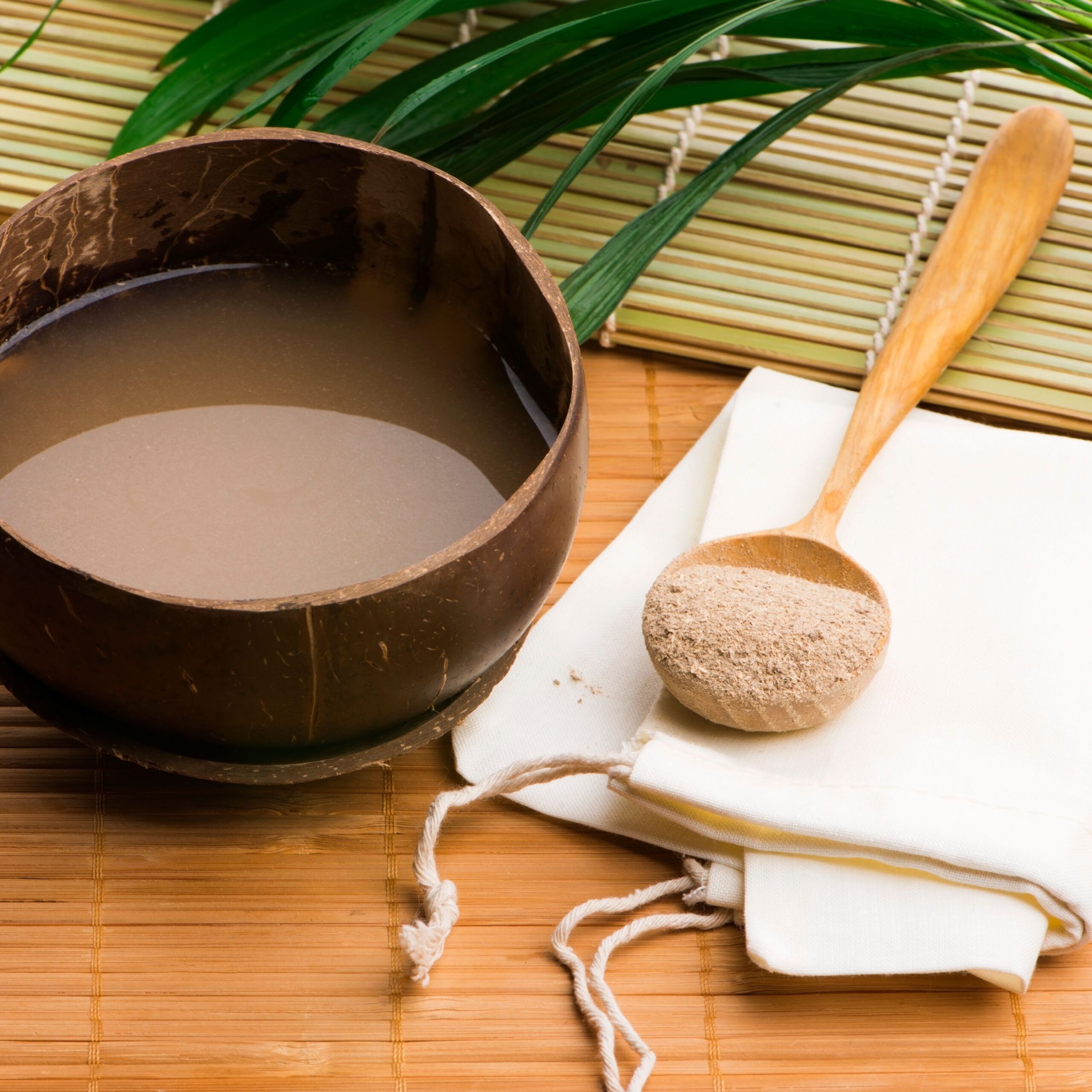
One of the most significant risks of kava is its potential to cause liver damage, ranging from mild liver enzyme elevations to liver failure.
"Marketed for relaxation, but long-term use may harm your liver. Long-term use has been linked to liver toxicity, even leading to failure in severe cases," she notes.
6. Zinc
Physician Thomas Pontinen, MD, the co-founder of Midwest Anesthesia and Pain Specialists, notes that zinc is "an incredibly important nutrient" to consume. It's known for playing a role in various bodily functions but is especially famous for the way it supports the immune system. Some people take daily zinc supplements, while others tend to take it when they're sick or feel a cold coming on. However, Dr. Thomas Pontinen, MD says that zinc is a supplement with "potential hidden dangers."
"When you take too much zinc, you can experience an upset stomach and nausea," he explains.
"Additionally, zinc can prevent the absorption of copper in the body, another crucial nutrient, because they're both absorbed in the same part of the gut. Getting the levels right can be difficult, which is why it's best to focus on getting those nutrients through a balanced diet of diverse whole foods."
If you are told you're still not getting enough zinc in your diet through nutritious foods, Dr. Pontinen suggests taking a copper supplement alongside any zinc supplements.
7. Niacin
Long-term use of high-dose niacin, particularly sustained-release versions, can lead to liver toxicity and damage, causing symptoms like jaundice, nausea, and elevated liver enzymes.
Routhenstein adds, "While consuming adequate niacin through food is beneficial to heart health, consuming high dose niacin in supplement form may increase the risk of vascular inflammation."
8. High-Dose Calcium
Excess calcium from supplements (rather than food) can accumulate in arteries, leading to calcification and an increased risk of heart attacks and strokes.
"Calcium is needed for heartbeat regularity and bone health; however, research shows taking high doses in supplement form may increase the risk of atherosclerotic heart disease in postmenopausal women," says Routhenstein.
9. Vitamin D
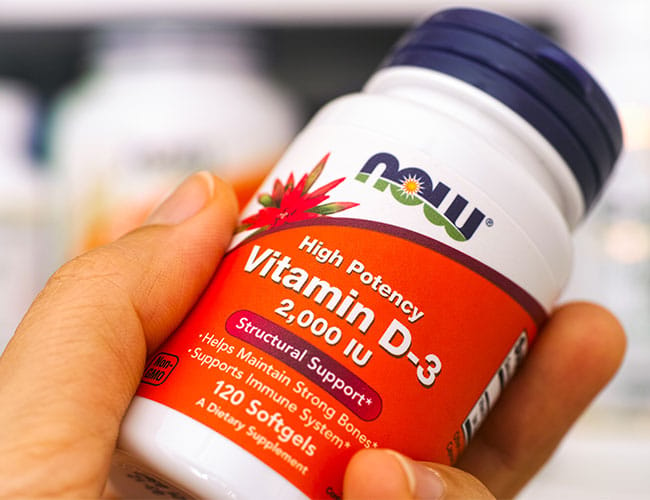
Vitamin D is often known as the 'sunshine vitamin,' and its most well-known natural source is sunlight. However, when people live in darker areas, don't get outside enough, or have been told they're deficient in vitamin D, they often need to incorporate a vitamin D supplement into their routine. Still, anyone taking a vitamin D supplement must be cautious, as having too much of it in your system can be dangerous.
According to Dr. Chanté Wiegand, ND, a naturopathic physician and Director of Research & Development at The Synergy Company, excess amounts of vitamin D can harm your insides.
"Too much vitamin D can affect kidney and heart function and cause muscle weakness and nausea," she said. "Excess vitamin D supplementation can also raise blood calcium levels, which can cause digestive issues and cognitive changes."