





Aging gracefully isn’t about trying to turn back the clock, but about feeling strong, energized, and healthy as the years go by. A balanced diet, regular movement, quality sleep, and stress management all play important roles, but certain supplements may also help fill nutritional gaps and support your body as its needs change with age.
Of course, no supplement is a magic solution, and what works for one person may not be necessary for another. Still, experts say there are a few nutrients that may be especially worth considering as you get older, whether the goal is supporting healthy bones and muscles, maintaining energy, or promoting overall well-being. Here are three supplements to have on your radar—and why they may deserve a place in your healthy-aging routine.

Women Are Swapping Their Boring Water For This Ice Pop Electrolyte Mix!
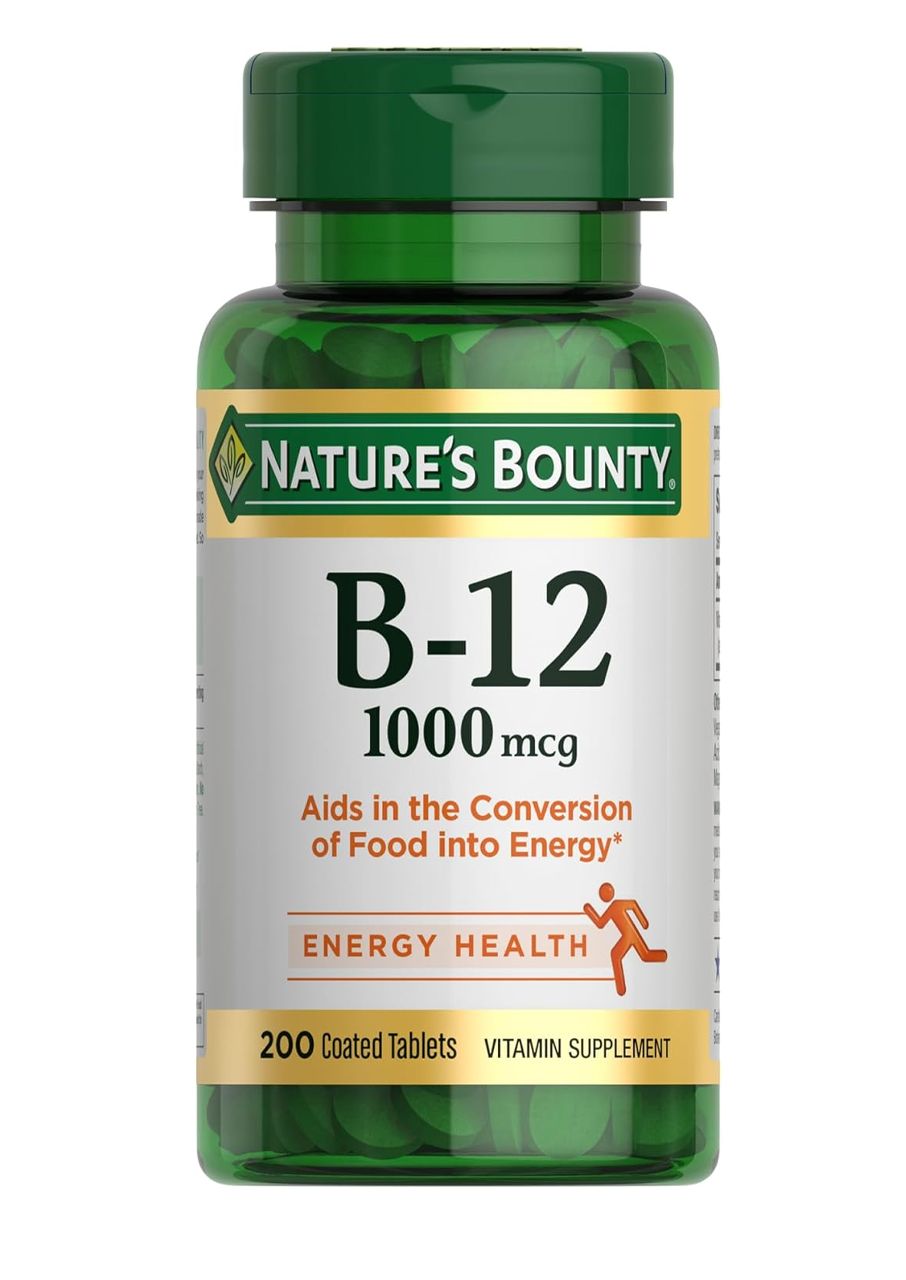
1. Vitamin B12
Vitamin B12 becomes especially important as we age because the body may have a harder time absorbing it from food. This essential vitamin supports healthy red blood cell formation, normal nerve function, and energy metabolism, and getting enough may help you maintain energy and overall vitality. B12 also plays a role in cognitive and neurological health, making adequate intake an important part of supporting the body and brain through the aging process.
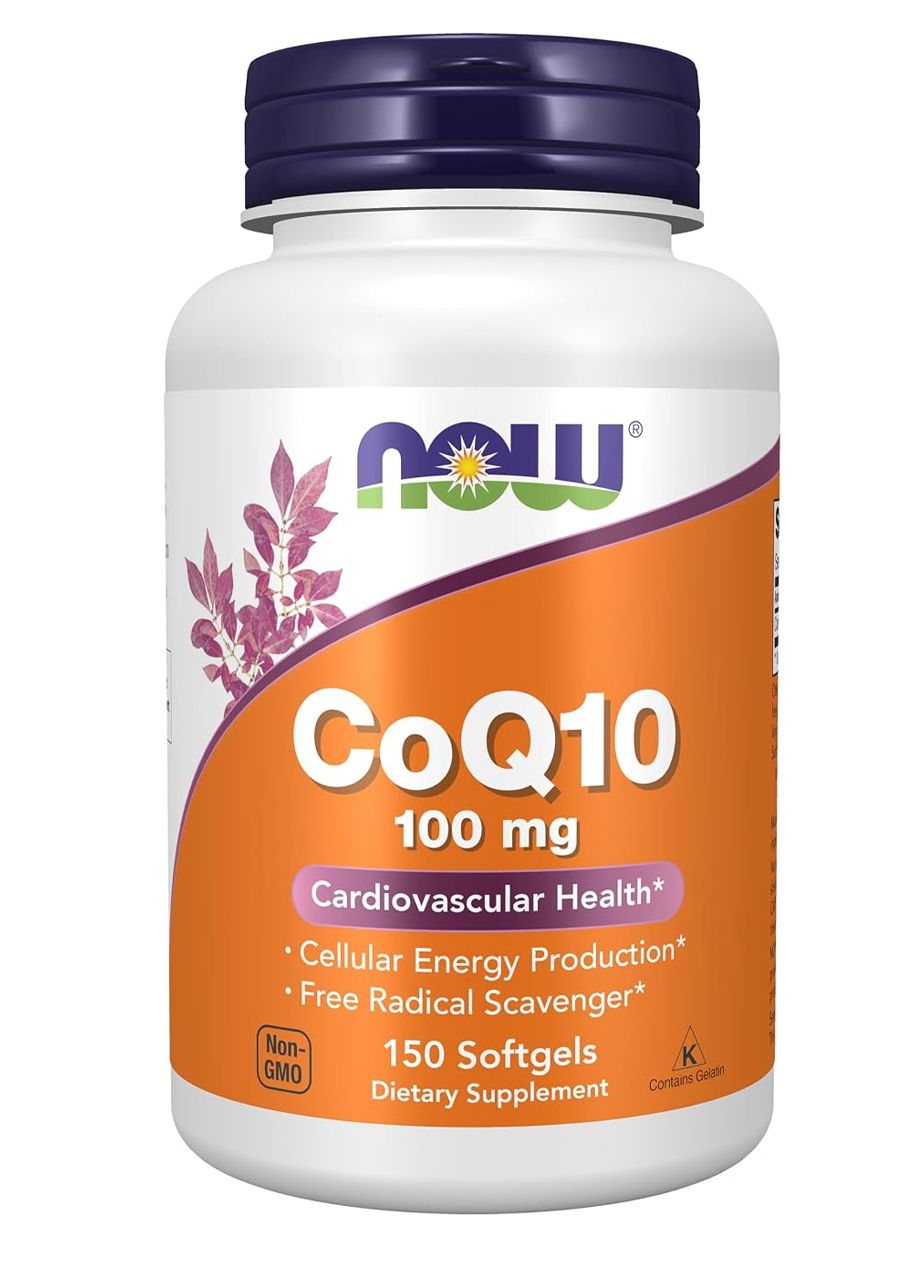
2. CoQ10
Coenzyme Q10, or CoQ10, is an antioxidant that the body naturally produces and uses to help cells generate energy. Natural levels tend to decline with age, which is one reason CoQ10 supplements are sometimes considered for healthy aging. CoQ10 is particularly important for tissues with high energy demands, including the heart, and its antioxidant activity helps protect cells from oxidative stress. While it isn't an anti-aging cure, maintaining adequate CoQ10 may help support cellular energy and cardiovascular health as you get older.
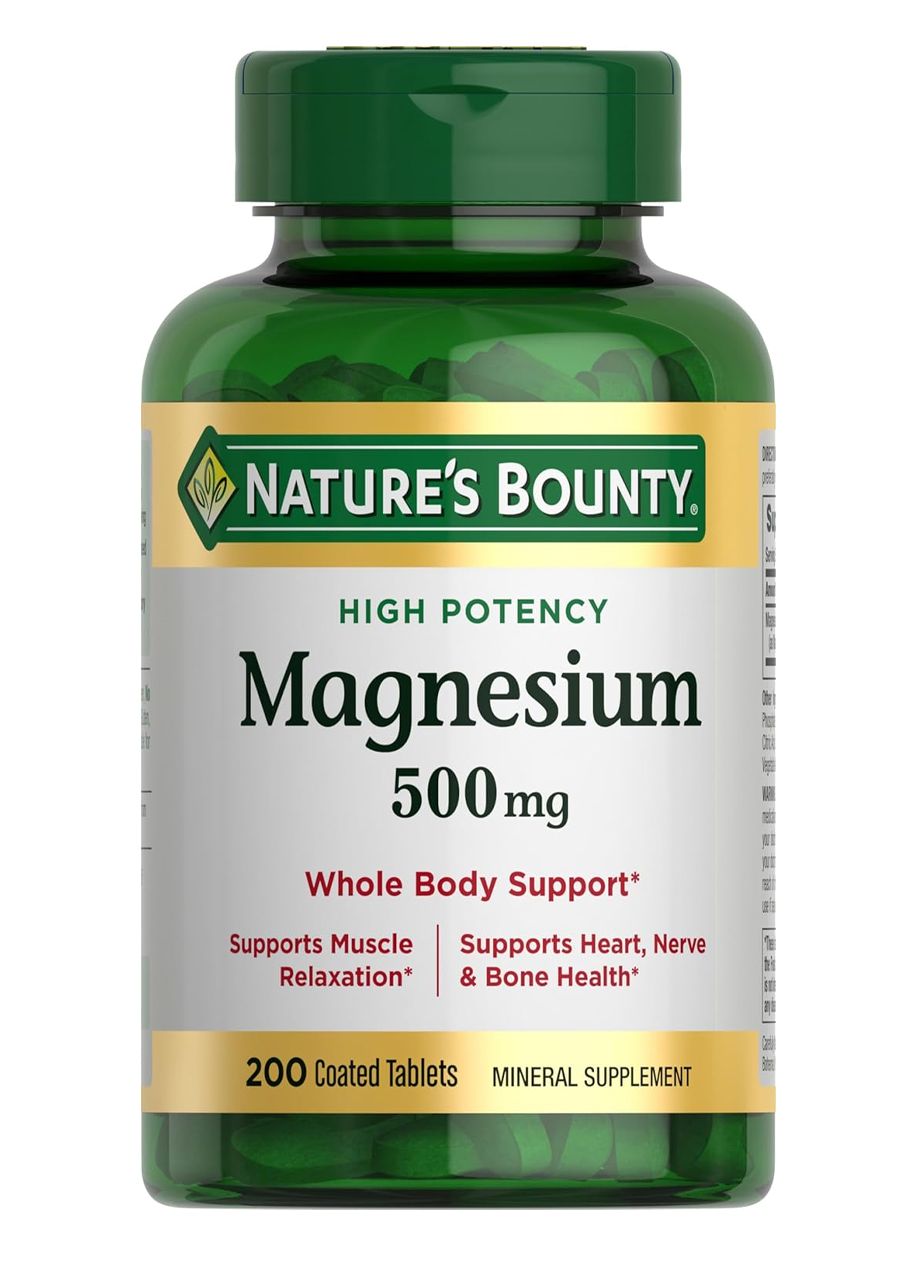
3. Magnesium
Magnesium is involved in many processes throughout the body, including muscle and nerve function, blood pressure regulation, bone health, and energy production. Getting enough magnesium as you age can be particularly helpful for maintaining strong bones and normal muscle function, two things that become increasingly important for staying active and independent. Although it's best to get magnesium through foods such as nuts, seeds, beans, leafy greens, and whole grains when possible, a supplement may be useful for people who aren't meeting their needs through diet alone.
Magnesium may also become more important during perimenopause, when some women experience changes in sleep, mood, and bone health, although research on supplementation for specific perimenopausal symptoms is still developing.