



Finding time for a full workout can be challenging, but squeezing a few short bursts of movement into your day may help you stay active and build strength. Two ‘micro exercises’ worth adding to your routine are goblet squats and burpees, which challenge different muscle groups and can help improve overall fitness.
While neither exercise is a magic solution for speeding up your metabolism, both offer benefits that make them useful additions to a balanced exercise routine. According to the Centers for Disease Control and Prevention (CDC), physical activity increases the amount of energy the body uses, and even smaller bouts of activity can contribute to health benefits. The agency recommends that adults aim for at least 150 minutes of moderate-intensity aerobic activity per week, along with muscle-strengthening activities on two or more days.

Women Are Swapping Their Boring Water For This Ice Pop Electrolyte Mix!
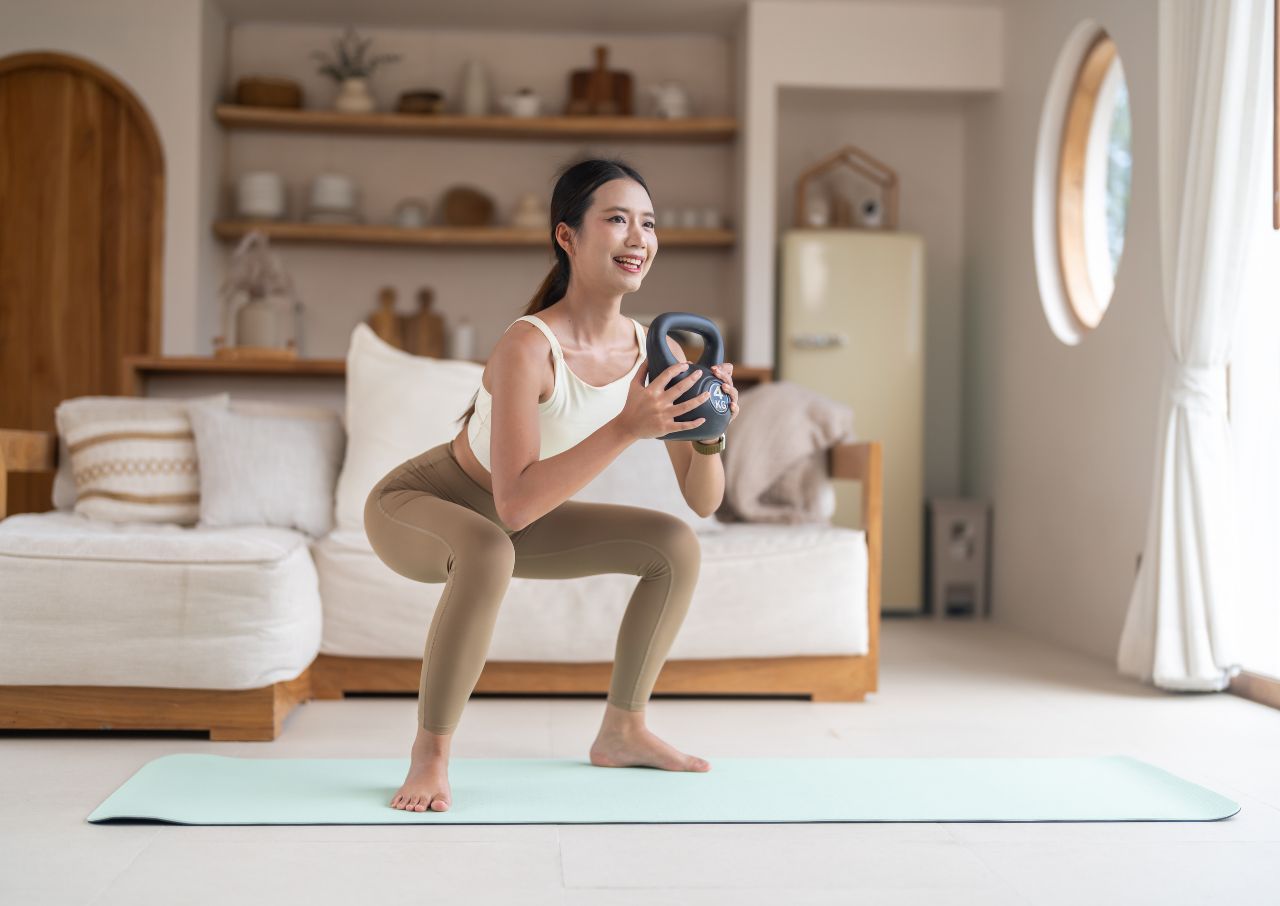
1. Goblet Squats
If you want to build lower-body strength without needing an elaborate gym setup, goblet squats are a practical place to start.
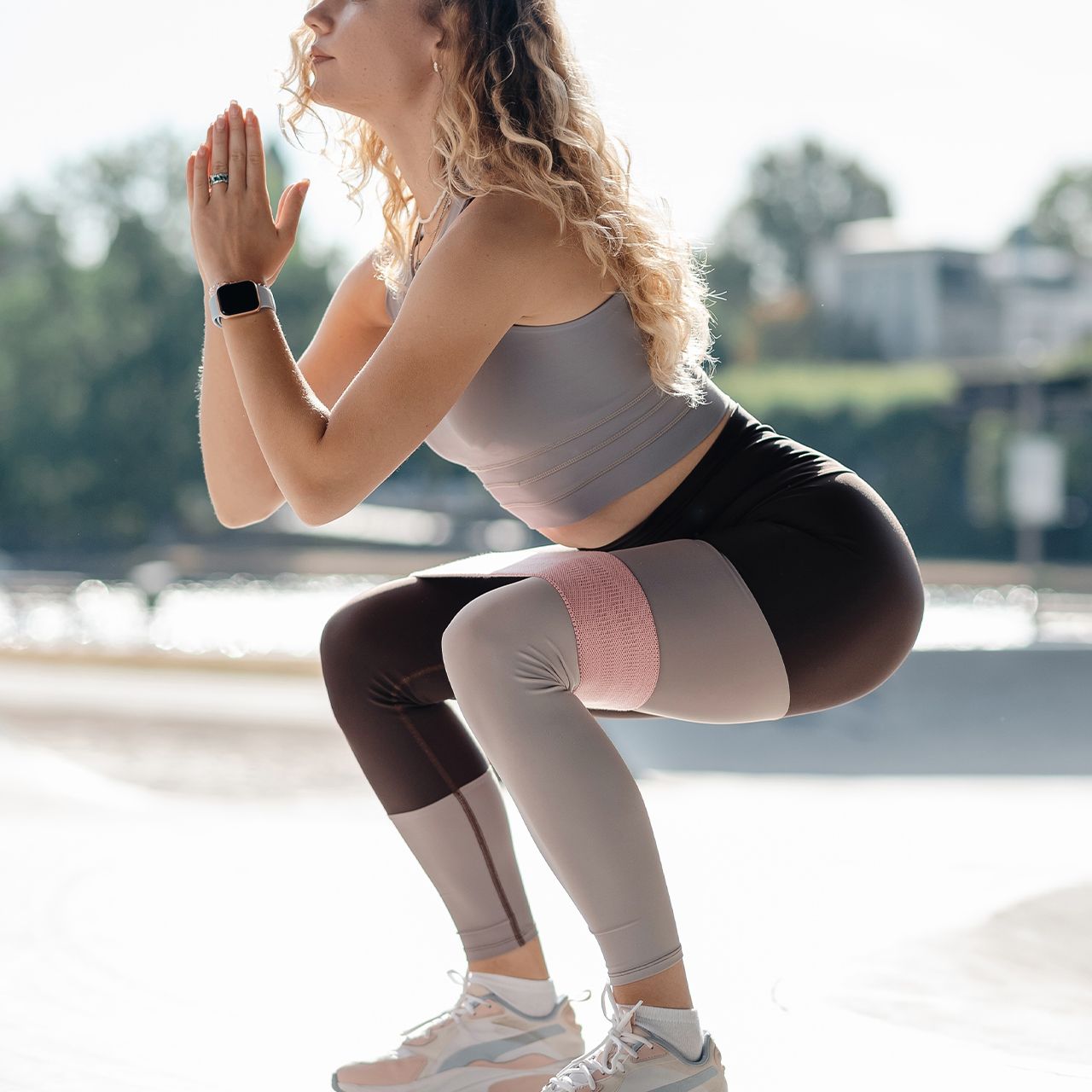
According to the National Academy of Sports Medicine (NASM), the exercise involves holding a dumbbell or kettlebell at chest height while lowering into a squat. The movement primarily works the quadriceps and glutes, while the core helps stabilize the body.
The front-loaded position can also encourage a more upright torso, making goblet squats a useful way to practice proper squat mechanics. NASM notes that the exercise can be adapted for different fitness levels by adjusting the weight and depth of the squat.
How to do them:
- Stand with your feet approximately hip- to shoulder-width apart.
- Hold a light dumbbell or kettlebell against your chest with both hands.
- Bend your knees and hips to lower into a controlled squat, keeping your chest lifted and your feet flat.
- Lower only as far as you can comfortably maintain good form.
- Push through your feet to return to standing.
Beginners can start with body-weight squats or a light weight before gradually increasing the resistance as their strength and technique improve.
Although goblet squats are primarily a strength exercise rather than a dedicated metabolism booster, building and maintaining muscle is an important part of overall physical fitness.
Muscle-strengthening activity can also help maintain muscle mass during weight loss, according to the U.S. government's Physical Activity Guidelines.
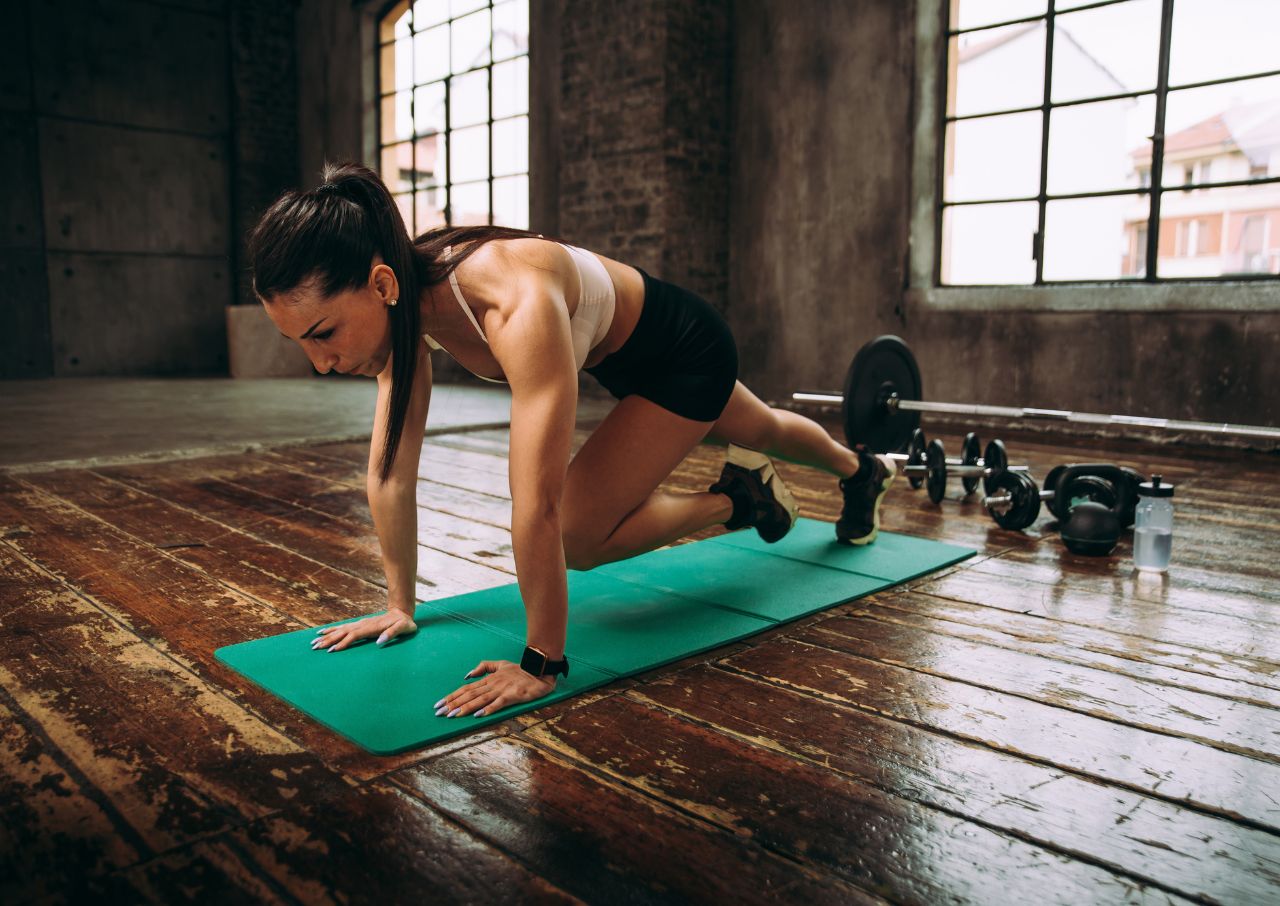
2. Burpees
For those looking to combine cardio with full-body movement, burpees offer a more intense option.
Cleveland Clinic describes burpees as a combination of movements that challenge both cardiovascular fitness and muscular strength. Depending on the variation, they engage the legs, hips, glutes, core, chest, shoulders, and arms.
Because the exercise involves moving continuously between a squat, plank, and standing jump, it can raise your heart rate quickly. That intensity makes burpees a potential option for a short workout when time is limited.
However, doing more repetitions or moving faster does not automatically produce better results. Good technique and a pace suited to your fitness level are more important than racing through the exercise.
How to do them:
- Begin standing with your feet about shoulder-width apart.
- Squat down and place your hands on the floor in front of you.
- Step or jump your feet back into a plank position, keeping your body aligned.
- Step or jump your feet forward toward your hands.
- Stand up and, if comfortable, add a small jump before repeating.
New exercisers can skip the push-up and jump, or step their feet back one at a time to reduce the intensity. Cleveland Clinic advises that people with certain heart conditions or back, hip, or shoulder injuries may need medical guidance before attempting burpees.
How to Fit These ‘Micro Exercises’ Into Your Day
You do not need to complete a long workout every time you exercise. Short activity breaks can be a manageable way to move more throughout the day, particularly if you spend long periods sitting. One simple beginner-friendly option is to try a brief circuit:
- Goblet squats: 8–10 controlled repetitions, using a comfortable weight.
- Burpees: 3–5 modified repetitions, or 15–20 seconds at an easy pace.
- Rest: Take a break between exercises and repeat only if you feel comfortable.
These numbers are suggested starting points, not a medically established formula for boosting metabolism. Warm up first, prioritize controlled movements, and adjust the routine to your ability.
Ultimately, no single exercise can guarantee a faster metabolism or weight loss. Regular physical activity, strength training, adequate nutrition, sleep, and consistency all play a role in overall health. If you have a chronic condition, an injury, or have been inactive and want to begin vigorous exercise, speak with a healthcare professional about an appropriate starting point.