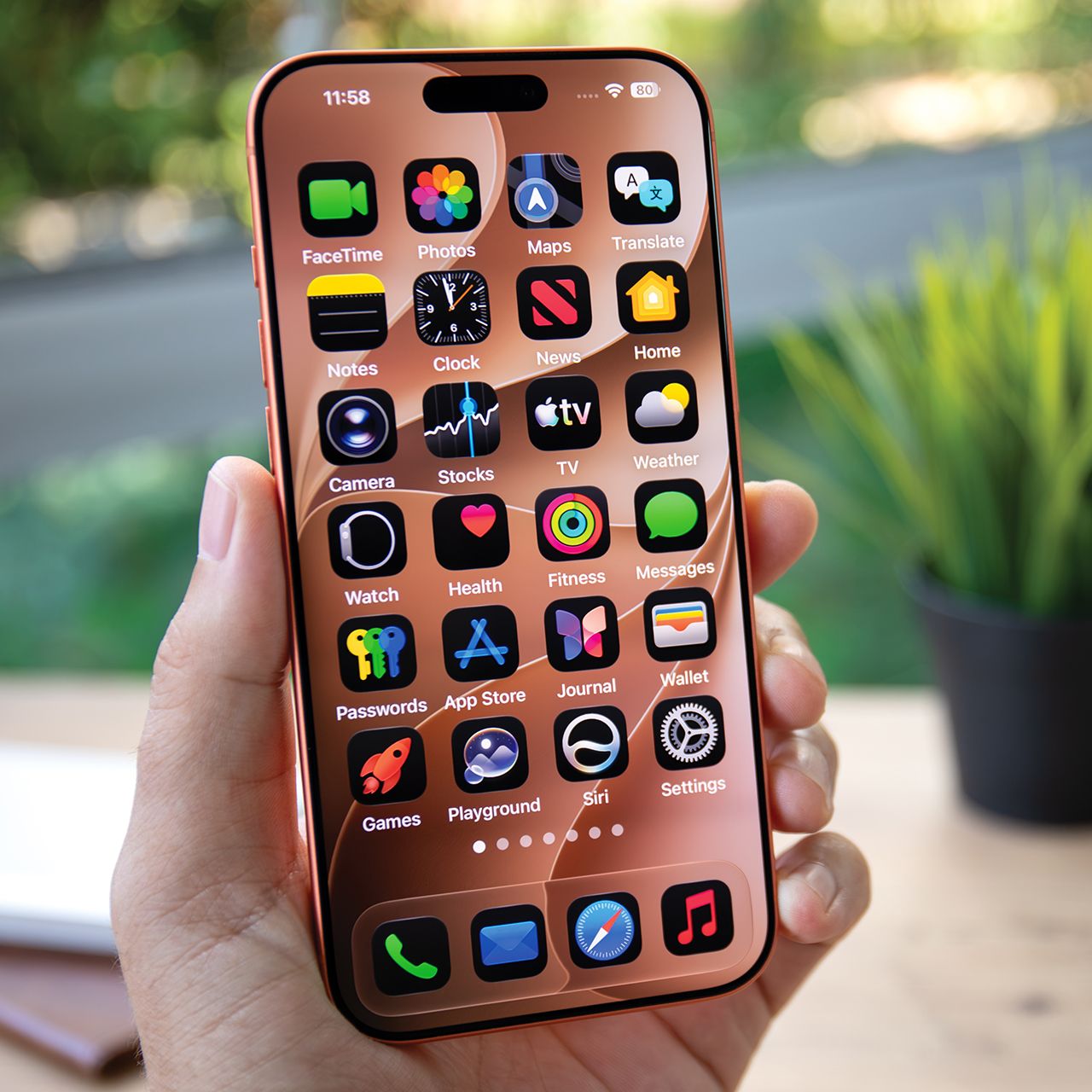




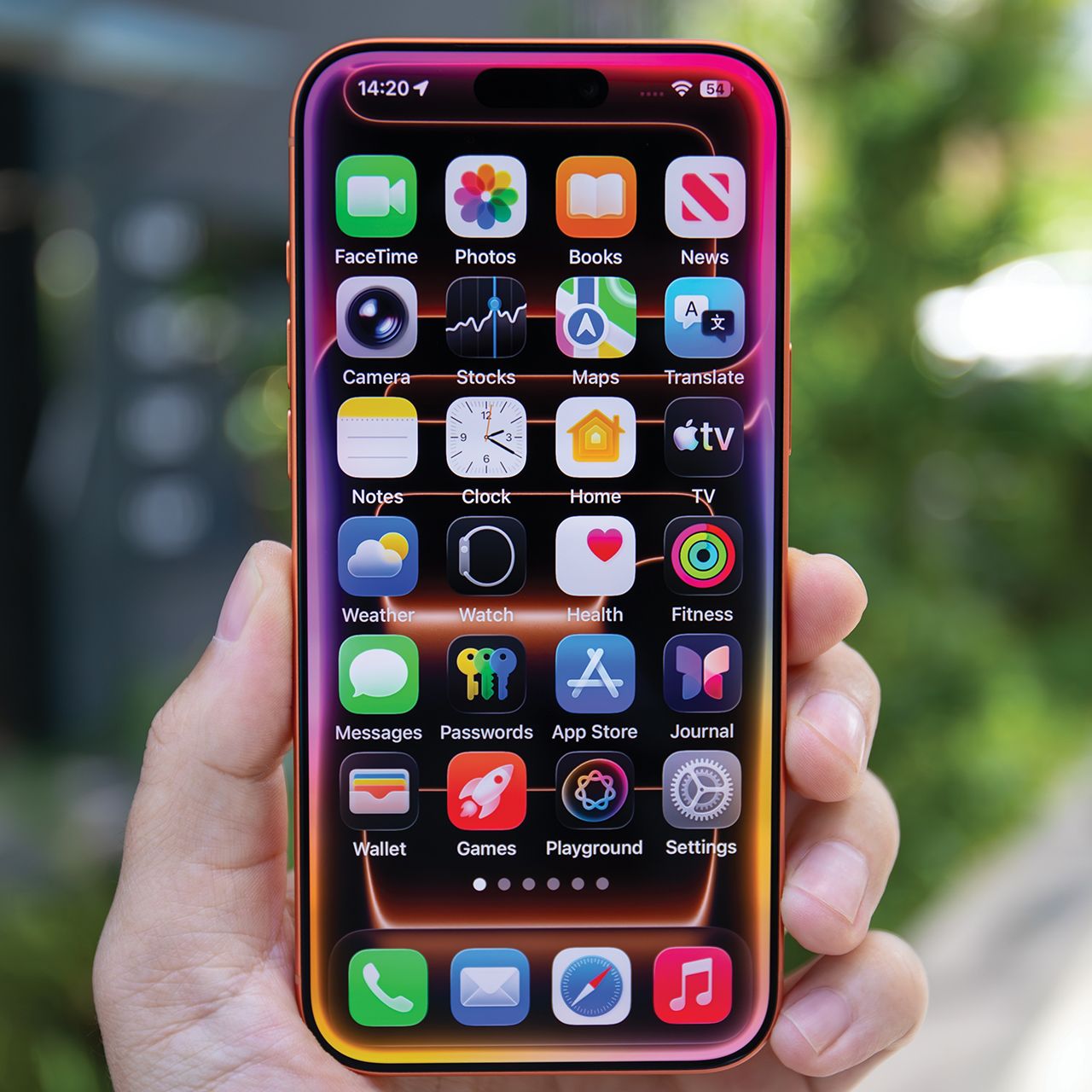
Are you having trouble keeping storage space open on your iPhone or Android? Then there are some apps you should consider deleting.
Your phone’s storage can fill up surprisingly quickly, especially when you have apps that constantly download videos, games, photos, and other large files. If your iPhone or Android is running low on space, deleting a few storage-hogging apps you rarely use could make a noticeable difference. Read more about three apps tech pros say you should consider deleting to free up more space below.

Women Are Swapping Their Boring Water For This Ice Pop Electrolyte Mix!
2. Unused Social Media Apps
It's easy to download a social media app for a trend, a specific account, or simply to try out a new platform and then forget about it. If you haven't opened certain social media apps in months, deleting them can free up space while also getting rid of the data and cache they've accumulated.
"Social media apps can become storage hogs. Apps like Facebook, Instagram, and TikTok can accumulate a surprising amount of cached data from all the photos and videos you scroll through," Waterston adds. "If you barely use one of them anymore, delete it — there's no reason to let an abandoned app eat into valuable iPhone storage."
2. Large Games
Big mobile games can be some of the biggest storage offenders on your phone, with certain titles requiring several gigabytes of space and growing even larger after updates. If you have games installed that you haven't played in months, deleting them can be an easy way to reclaim storage.
"Games can take up a huge amount of storage and require a lot of processing power," adds Brown. "If you haven't played a game recently, delete it—you can always download it again later."

4. Trusting Random QR Codes
QR codes can make it easy to open a website or access information, but users shouldn't automatically trust every code they encounter. Scammers can use malicious QR codes to send people to fraudulent websites designed to steal personal information or payment details.
"QR codes have become so common that most people scan them without thinking twice," explains Mukam. "The problem is that you cannot easily see where a QR code is taking you before scanning it, and attackers can use malicious QR codes to redirect users to fake login pages, payment websites, or other malicious sites. My advice is simple: pause, verify, act. I advocate for these 3 words a lot."