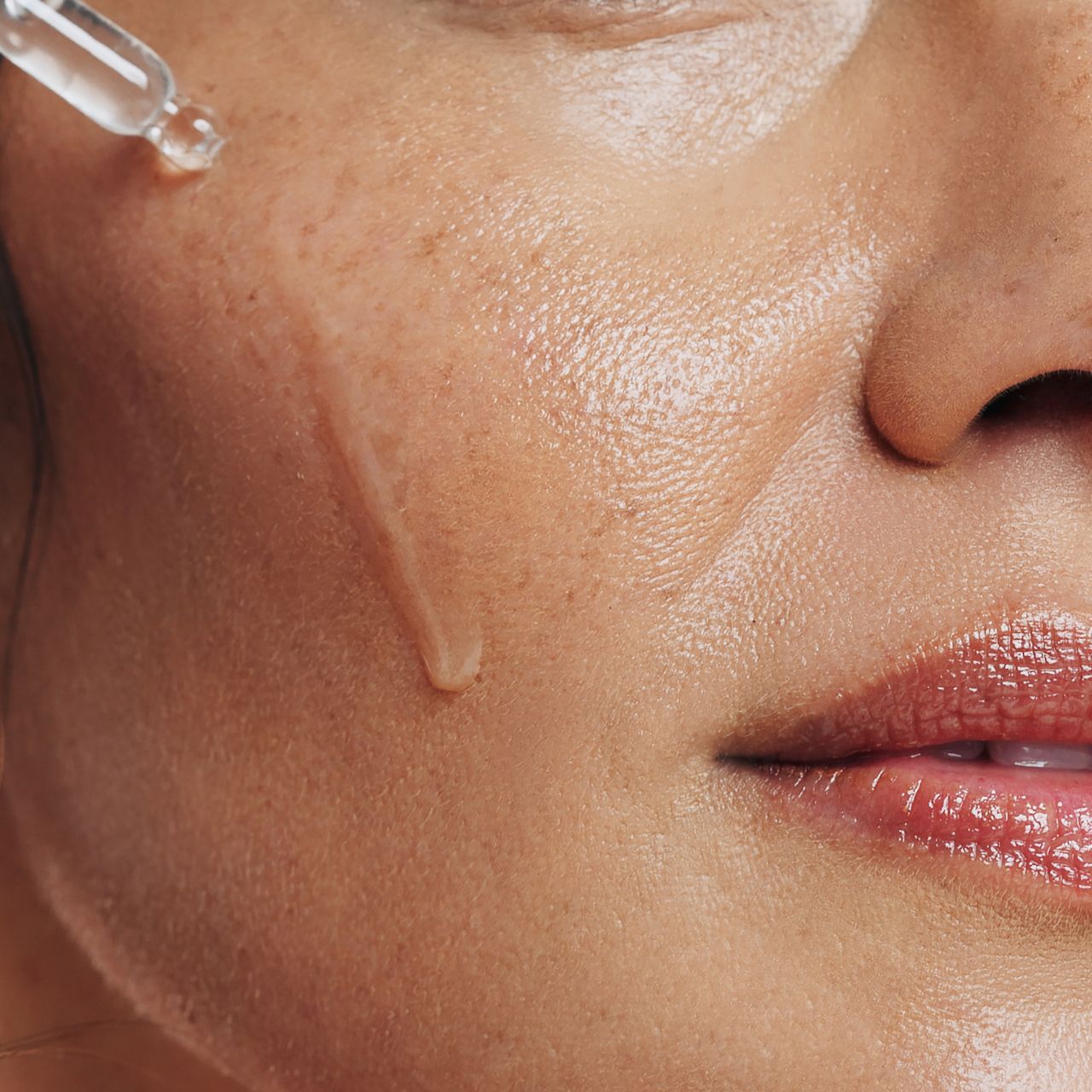





Collagen gets a lot of attention when we talk about aging skin, and for good reason: this protein helps give skin its structure, strength, and elasticity. As we get older, though, our bodies gradually produce less collagen, which can contribute to perfectly normal changes like fine lines, a loss of firmness, and shifts in skin texture. None of these changes need to be fixed, but if maintaining strong, healthy-looking skin is one of your goals, there are ways to support the collagen you already have.
You don’t necessarily need an overflowing skincare cabinet or expensive treatments to do it. Research suggests that everyday choices (from protecting your skin against UV damage to eating certain nutrient-rich foods) can help preserve existing collagen or support the processes your body uses to make it. Here are seven science-backed strategies that can help keep your skin healthy, resilient, and looking its best at every age.

Women Are Swapping Their Boring Water For This Ice Pop Electrolyte Mix!
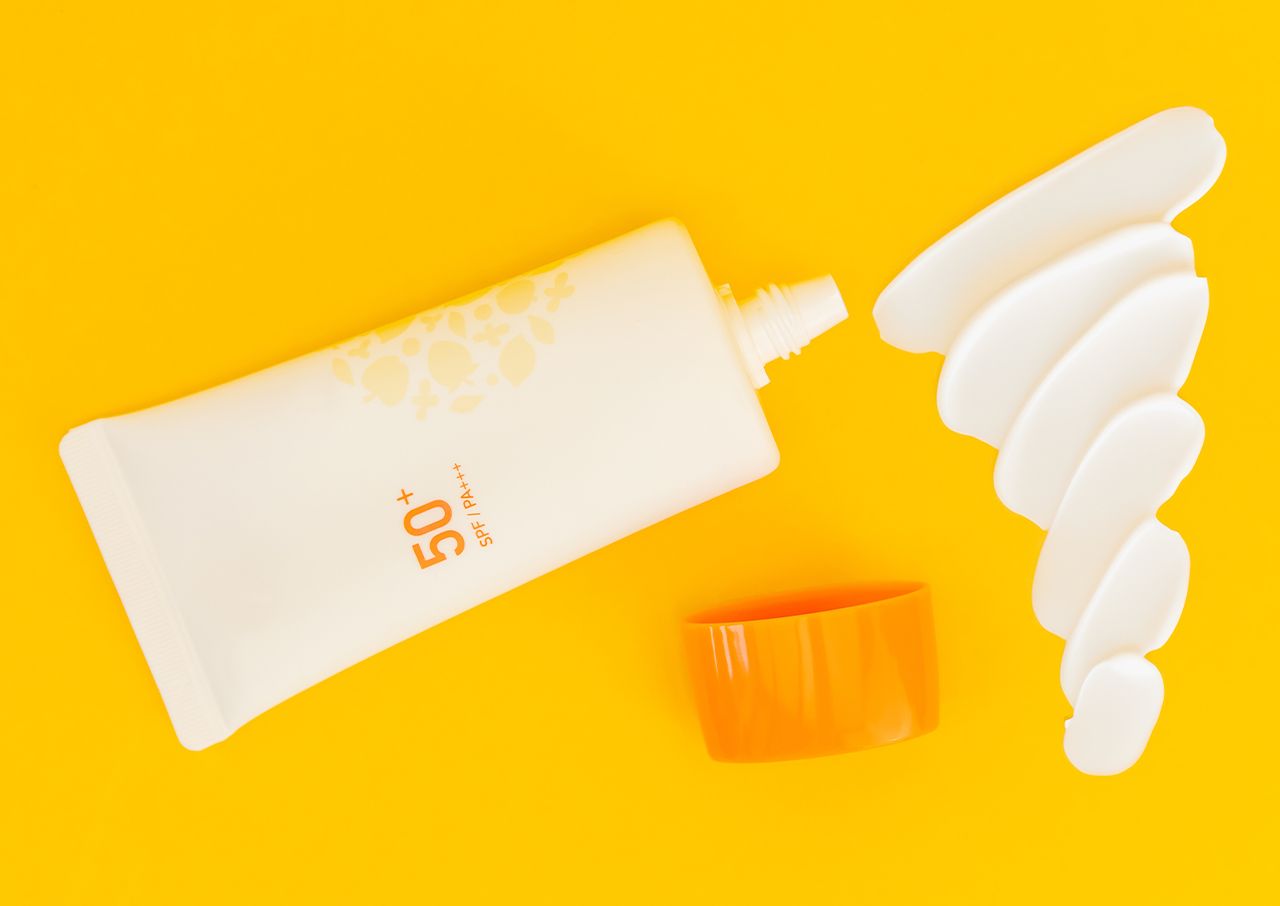
1. Wear Broad-Spectrum SPF Every Day
Daily sunscreen is one of the most effective things you can do to protect the collagen you already have. UVA radiation penetrates deeply into the skin and contributes to the breakdown of collagen and elastin, while sun exposure over years can accelerate visible signs of skin aging like wrinkles, sagging, and uneven texture. Wearing a broad-spectrum SPF 30 or higher every day helps limit this damage and gives your skin a better chance of maintaining its natural firmness over time.
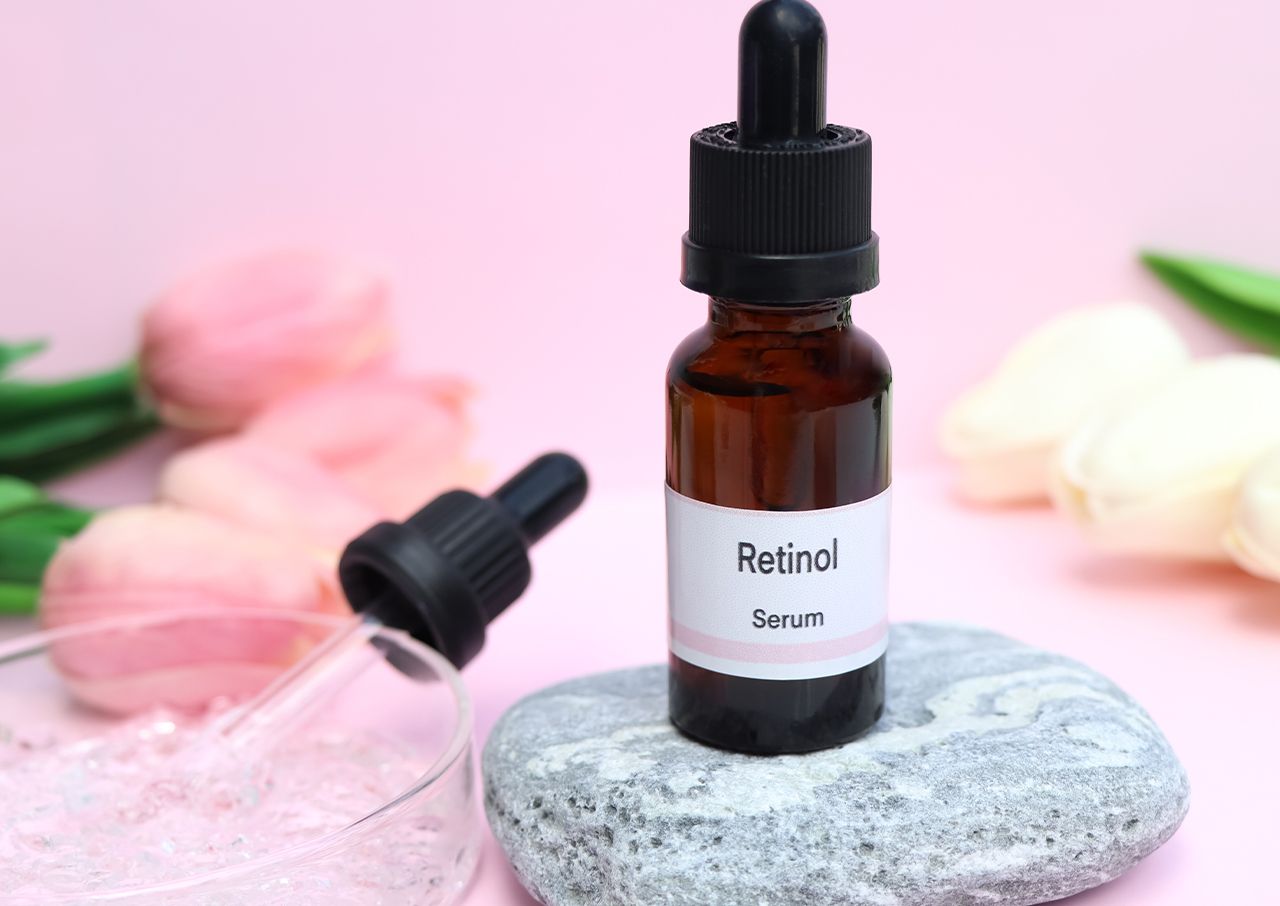
2. Use a Retinoid or Retinol
Retinoids, including prescription-strength options and over-the-counter retinol, are among the best-studied topical ingredients for supporting collagen. Vitamin A derivatives work by increasing skin cell turnover and stimulating processes involved in collagen production, which can gradually improve the appearance of fine lines, texture, and firmness.

3. Add Vitamin C to Your Skincare Routine
Vitamin C does double duty when it comes to collagen: it’s an antioxidant that helps defend skin against damaging free radicals, and it also plays an essential role in the biological process your body uses to synthesize collagen. A well-formulated topical vitamin C serum can therefore help protect existing collagen from environmental stress while supporting healthy collagen formation.

4. Eat Enough Protein
Collagen is a protein, and your body needs amino acids from dietary protein to build it. Foods such as fish, poultry, eggs, dairy, beans, lentils, tofu, and other protein-rich options supply amino acids that the body can use as building blocks for collagen and other tissues.

5. Get Plenty of Vitamin C–Rich Foods
Your body can’t make vitamin C on its own, yet this nutrient is essential for collagen synthesis, making it important to get enough through your diet. Citrus fruits may be the obvious choice, but strawberries, kiwi, bell peppers, broccoli, tomatoes, and leafy greens are also excellent sources. Eating a varied diet that regularly includes vitamin C-rich produce supports your body’s natural collagen-making process and provides other antioxidants, as well.

6. Avoid Smoking and Limit Excess Alcohol
Preserving collagen isn’t only about what you add to your routine—it’s also about reducing habits that can accelerate its breakdown. Smoking exposes the skin to chemicals and oxidative stress that can damage collagen and elastin and interfere with normal repair processes, contributing to premature wrinkling and loss of elasticity. Excessive alcohol intake can also negatively affect skin health, contributing to dehydration, inflammation, and nutritional effects.

7. Prioritize Sleep and Regular Exercise
Sleep gives the body valuable time for cellular repair and recovery, while getting not enough sleep on a regular basis has been associated with poorer skin-barrier function and increased signs of skin aging. At the same time, regular exercise supports circulation and overall metabolic health, which can help deliver oxygen and nutrients throughout the body, including to the skin. Prioritizing both can lead to better skin outcomes and collagen support.